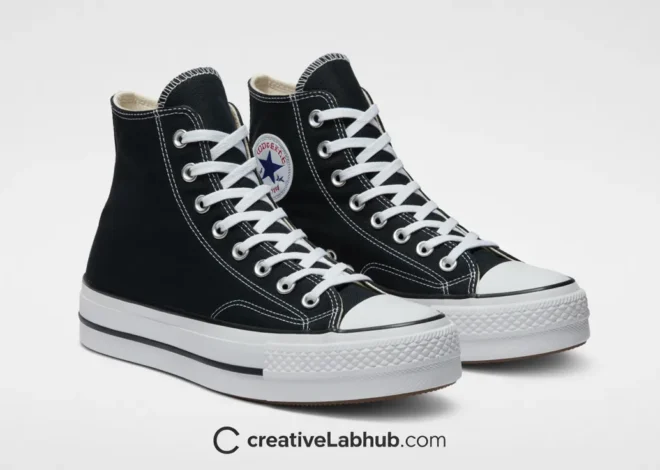


Cloud Shoes: The Surprisingly Powerful Secret to All-Day Comfort In 2026
Introduction
You know that moment when you slip off your shoes at the end of a long day and your feet just sigh with relief? Now imagine that feeling lasting all day long. That is exactly what cloud shoes promise, and for millions of people, that promise is real.
Cloud shoes have taken the footwear world by storm. They combine cutting-edge cushioning technology with sleek, modern design. Whether you are running errands, walking through airports, or putting in long hours at work, cloud shoes are built to keep your feet feeling fresh.
But with so many options on the market, how do you know which pair is worth your money? In this guide, you will learn everything you need to know. We cover how cloud shoes work, why they are different from regular sneakers, the best brands, and how to choose the right pair for your lifestyle.
What Are Cloud Shoes, Exactly?
Cloud shoes are a category of footwear designed with a unique cushioning system that feels soft and bouncy underfoot, similar to walking on clouds. The term was popularized by the Swiss brand On Running, which introduced its signature “Cloud Tec” sole in 2010. Since then, the concept has been adopted by dozens of brands worldwide.
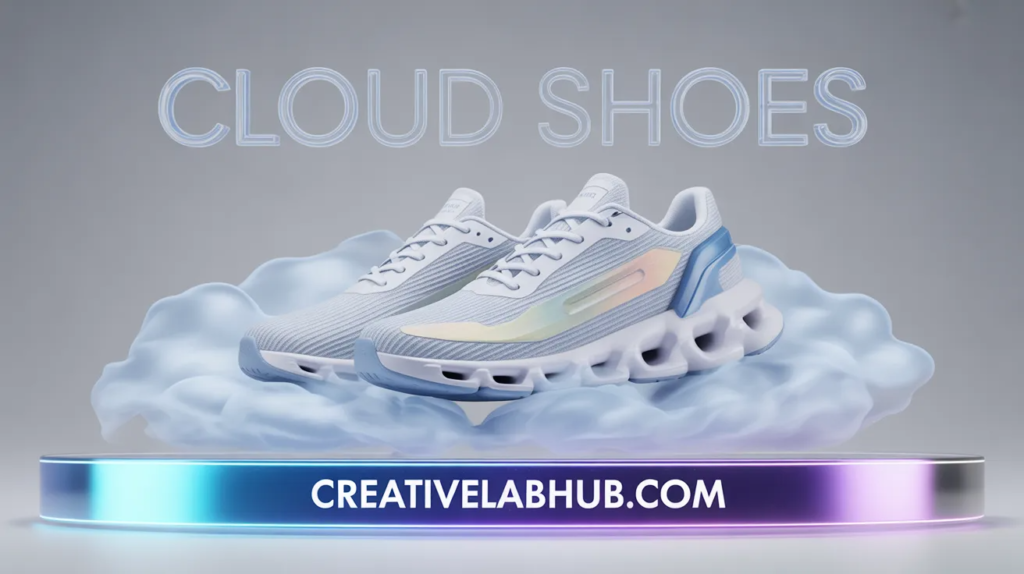
The defining feature of cloud shoes is their sole. Instead of a flat foam base, they use hollow pods or cushioning units arranged in rows. These pods compress on impact and then spring back, creating a sensation many wearers describe as stepping on a soft cloud.
This design does more than just feel good. It also improves energy return, reduces joint stress, and helps your body move more naturally. For people who spend a lot of time on their feet, cloud shoes can be a genuine game-changer.
The Technology Behind the Comfort
The magic of cloud shoes lies in the materials and engineering. Most top brands use advanced EVA foam, TPU pods, or proprietary blends designed for maximum energy return. Here is a quick breakdown of what you will typically find inside a quality pair:
- Cushioning pods or cloud elements: These compress to absorb shock and then rebound to push you forward.
- Breathable mesh upper: Keeps your feet cool and dry, even on hot days.
- Flexible outsole: Allows your foot to move naturally through each stride.
- Lightweight construction: Most pairs weigh under 10 ounces, so you never feel weighed down.
Why Cloud Shoes Are Worth Every Penny
You might look at the price tag on a pair of cloud shoes and hesitate. Many quality pairs start around $100 and can climb well above $200. But once you understand what you are getting, the investment starts to make a lot of sense.
A study published in the Journal of Foot and Ankle Research found that cushioned footwear significantly reduces the impact forces on knees and hips during walking. Over time, this reduction in joint stress can help prevent pain and injury. Cloud shoes are engineered with exactly this kind of impact reduction in mind.
On top of that, the modern designs look great. Cloud shoes are no longer clunky orthopedic-style footwear. Brands like On Running, Hoka, New Balance, and Brooks have made cloud shoes that look just as stylish as they feel.
Key Benefits at a Glance
- Superior shock absorption that protects your joints with every step.
- Lightweight build that reduces fatigue during long walks or runs.
- Excellent energy return that keeps you going longer.
- Versatile style that works for the gym, the office, and everywhere in between.
- Improved posture and gait alignment over time.
The Best Cloud Shoe Brands You Should Know
Not all cloud shoes are created equal. The market has grown fast, and there are now dozens of brands competing for your feet. Here are the most trusted names that consistently deliver quality.
On Running
On Running is the brand that started it all. Founded in Switzerland, they invented the CloudTec sole and have been refining it ever since. Their shoes are popular among runners, walkers, and lifestyle wearers alike. The On Cloudmonster and On Cloud 5 are two of their most beloved models.
Hoka One One
Hoka takes a slightly different approach with maximalist cushioning. Their thick soles look bold and deliver a plush, cloud-like feel. The Hoka Bondi and Clifton series are consistently rated among the best cloud shoes for everyday comfort and long-distance walking.
New Balance Fresh Foam
New Balance has built a strong reputation for comfort. Their Fresh Foam line uses a single-piece midsole foam that molds to your foot for a personalized feel. The 1080 series is a top pick for people who want cloud-like cushioning without the steep price of some competitors.
Brooks Ghost
Brooks has been a runner’s favorite for decades. The Ghost series offers a smooth, cushioned ride that many describe as walking on clouds. It is especially popular among people recovering from foot pain or plantar fasciitis.
Cloud Shoes for Different Lifestyles
One of the best things about cloud shoes is their versatility. They are not just for runners. They work beautifully across a wide range of activities and daily situations.
For Runners and Athletes
If you are a runner, cloud shoes give you the cushioning to handle longer distances without beating up your joints. Look for models with firm heel counters and responsive cushioning. The On Cloudstratus and Hoka Rincon are strong choices for performance runners.
For Everyday Walkers
For daily walking, you want something that combines comfort with a bit of style. The On Cloud 5 and Hoka Clifton 9 are both excellent here. They look clean enough to wear with jeans but are cushioned enough for hours on your feet.
For Work and Standing All Day
If your job keeps you on your feet all day, cloud shoes can make a real difference in how you feel at the end of a shift. Nurses, teachers, warehouse workers, and retail employees have all turned to cloud shoes as their footwear of choice. Look for pairs with extra arch support and a wide toe box.
For Travel
Frequent flyers love cloud shoes for their lightweight design and all-day comfort. A good pair of cloud shoes can carry you through a full day of sightseeing without complaint. They also tend to slip on and off easily, which is great for airport security.
How to Choose the Right Cloud Shoes for You
Buying cloud shoes is not a one-size-fits-all decision. Your ideal pair depends on several factors specific to you. Here is what to think about before you buy.
Know Your Foot Type
Do you have flat feet, high arches, or neutral arches? Your foot type affects which kind of cushioning and support you need. Flat-footed wearers often benefit from shoes with motion control, while high-arch wearers need extra cushioning in the midsole. Many shoe retailers offer free gait analysis to help you figure this out.
Think About Your Primary Activity
Are you buying cloud shoes mainly for running, walking, work, or casual wear? Each activity calls for slightly different features. Running shoes tend to be lighter and more responsive. Walking and work shoes prioritize support and durability.
Get the Fit Right
Even the best cloud shoes will disappoint you if they do not fit properly. Always try on shoes in the afternoon when your feet are at their largest. Aim for about a thumbnail’s worth of space between your longest toe and the front of the shoe. Your heel should feel secure, and the sides should not pinch.
Set a Budget
Quality cloud shoes are available at many price points. You can find solid options around the $100 mark from brands like New Balance and Brooks. If you want premium features and materials, expect to spend between $150 and $250. Avoid going too cheap. Very inexpensive “cloud shoe” imitations often lack the cushioning technology that makes these shoes special.
Common Mistakes People Make With Cloud Shoes
Even great shoes can let you down if you use them the wrong way. Here are some common mistakes to avoid.
- Wearing them past their lifespan: Most cloud shoes last between 300 and 500 miles. After that, the cushioning breaks down and you lose the benefits. Replace them regularly.
- Using running cloud shoes for hiking: The soft soles are not designed for uneven terrain. Use trail-specific shoes for that.
- Ignoring sock choice: A good pair of moisture-wicking socks makes a big difference. Cotton socks trap sweat and can cause blisters.
- Skipping the break-in period: Some pairs need a few days of wear before they fully mold to your foot. Do not judge them on the first day alone.
Cloud Shoes and Health: What the Research Says
There is a growing body of research supporting the health benefits of well-cushioned footwear. A 2022 study in the British Journal of Sports Medicine found that runners wearing highly cushioned shoes had a reduced risk of running-related injury compared to those in minimalist shoes.
Cloud shoes have also shown promise for people with chronic conditions like plantar fasciitis, shin splints, and knee pain. The reduced impact forces help the body recover between bouts of activity. That said, no shoe is a cure. If you have a serious foot condition, always consult a podiatrist before choosing your footwear.
I personally switched to cloud shoes about two years ago after struggling with heel pain during long work shifts. Within a week, I noticed a significant difference in how my feet felt at the end of the day. It is not a miracle, but it made a real and noticeable improvement.
How to Care for Your Cloud Shoes
A little care goes a long way in extending the life of your cloud shoes. Here is what you should do.
- Clean them regularly with a soft brush and mild soap. Avoid machine washing, as it can damage the cushioning pods.
- Air them out after each use. Never leave them in a hot car or direct sunlight for long periods.
- Rotate between two pairs if you wear them every day. This gives the foam time to decompress between uses.
- Store them in a cool, dry place away from humidity.
Conclusion
Cloud shoes are not just a trend. They represent a genuine step forward in how we think about footwear comfort, support, and everyday wearability. Whether you are a dedicated runner, a busy professional, or someone who just wants their feet to stop hurting at the end of the day, the right pair of cloud shoes can make a real difference.
The key is finding the pair that matches your foot type, activity level, and budget. Take your time, try a few options, and do not be afraid to invest a little more for quality. Your feet carry you everywhere. They deserve the best.
Have you already made the switch to cloud shoes? Or are you still on the fence? Drop your thoughts in the comments below. We would love to hear what has worked for you, or help you figure out what might.
Frequently Asked Questions (FAQs)
1. What exactly are cloud shoes and how do they work?
Cloud shoes use a unique cushioning system with hollow pods or soft foam cells in the sole. These pods compress when you land and spring back as you push off, creating a soft, bouncy feel that reduces impact on your joints.
2. Are cloud shoes good for people with plantar fasciitis?
Yes, many people with plantar fasciitis find cloud shoes helpful because of their excellent heel cushioning and arch support. Brands like Hoka and Brooks are especially popular among those dealing with this condition. Always consult a podiatrist for personalized advice.
3. How long do cloud shoes last?
Most high-quality cloud shoes last between 300 and 500 miles of use, or roughly 6 to 12 months for an average wearer. Once the cushioning loses its bounce and the outsole shows significant wear, it is time to replace them.
4. Can you wear cloud shoes for hiking?
Standard cloud shoes are not built for trails. They lack the grip, stability, and ruggedness needed for uneven terrain. However, some brands like On Running offer trail-specific versions with sturdier outsoles designed for hiking and off-road use.
5. Are cloud shoes worth the high price?
For most people, yes. The advanced cushioning technology, durability, and health benefits justify the higher cost compared to standard sneakers. If you spend a lot of time on your feet, the investment in your comfort and joint health is well worth it.
6. Do cloud shoes run true to size?
It depends on the brand. On Running shoes tend to run slightly narrow and some wearers go half a size up. Hoka shoes generally run true to size but with a wider toe box. Always check brand-specific sizing guides and try them on when possible.
7. Can cloud shoes help with knee pain?
Yes, the shock-absorbing design of cloud shoes can reduce the impact forces that travel through your knees during walking and running. Many people with mild to moderate knee pain report noticeable relief after switching to well-cushioned cloud shoes.
8. What is the difference between On Running cloud shoes and Hoka?
On Running focuses on a responsive, propulsive feel with their pod-based CloudTec system. Hoka leans toward maximum cushioning with thick, plush soles. On is often preferred by performance-focused runners, while Hoka is a favorite among walkers and those who prioritize pure comfort.
9. Are cloud shoes good for wide feet?
Some brands offer wide-fit options. New Balance is particularly well-known for accommodating wider feet. Hoka also tends to have a roomier toe box than On Running. If you have wide feet, look for models specifically labeled as wide or extra-wide.
10. Can I machine wash my cloud shoes?
Most manufacturers advise against machine washing cloud shoes. The heat and agitation can damage the cushioning pods and adhesives. Stick to hand cleaning with a soft brush and mild detergent, then air dry at room temperature.
Also Read In Creativelabhub.com
Email: johanharwen314@gmail.com
Author Name: Johan harwen
About the Author: John Harwen is a seasoned footwear specialist and wellness writer with over a decade of experience helping people find the right shoes for their lifestyle. He has tested hundreds of shoe models across major brands and contributes regularly to health, fitness, and lifestyle publications. John is passionate about the science of comfort and believes that the right footwear can genuinely improve your quality of life. When he is not reviewing shoes or researching foot health, you will find him hiking trails, training for his next 10K, or coaching weekend runners at his local running club.