
Master Your Projects With Dremel Tool: Dremel Tool Guide 2026
Introduction
You’re standing in your garage, staring at a project that needs precision work. Maybe it’s a rusted bolt that won’t budge. Or perhaps you’ve got a creative idea but lack the right equipment.
Enter the dremel tool, your new best friend for detailed work.
This compact powerhouse has transformed how DIYers and professionals approach intricate tasks. It spins at incredible speeds, tackling jobs that would otherwise require multiple specialized tools. From cutting and grinding to polishing and engraving, this rotary wonder handles it all.
In this guide, you’ll discover everything about the dremel tool. We’ll explore what makes it special, how to choose the right one, and the countless ways it can elevate your projects. Whether you’re a complete beginner or looking to expand your skills, you’ll find practical tips that make a real difference.
Let’s dive into the world of precision crafting.
What Exactly Is a Dremel Tool?
A dremel tool is a handheld rotary tool that spins various attachments at high speeds. Think of it as a miniature power tool that fits comfortably in your hand.
The magic happens through interchangeable bits and attachments. You simply swap them based on your specific task. One moment you’re cutting through metal, the next you’re polishing jewelry.
The tool’s motor typically ranges from 1.0 to 1.6 amps. It can reach speeds between 5,000 and 35,000 RPM depending on the model. That rapid rotation gives you the precision and power needed for detailed work.
Most people use “Dremel” and “rotary tool” interchangeably. While Dremel is actually a brand name, it has become synonymous with rotary tools, much like Kleenex represents tissues.
The Core Components
Every dremel tool consists of several key parts:
The motor housing contains the heart of your tool. This is where all the power originates.
The collet holds your bits securely in place. Different collet sizes accommodate various attachment shank diameters.
The speed control lets you adjust RPM for different materials. Slower speeds work better for plastics, while metals often need higher speeds.
The on/off switch might seem basic, but placement matters for comfort during extended use.
Why You Need a Dremel Tool in Your Arsenal
This versatile companion solves problems you didn’t even know you had. It excels at tasks where precision trumps brute force.
Space efficiency tops the list of benefits. Unlike bulky workshop equipment, your dremel tool fits in a drawer. You can store it easily and grab it whenever needed.
Versatility defines the dremel experience. With over 150 different attachments available, you’re essentially buying multiple tools in one package. That’s serious value for your investment.
Accessibility makes it perfect for beginners. You don’t need years of training to achieve professional results. The learning curve is gentle, and mistakes are easily corrected.
Portability means you can work anywhere. Take it to the backyard, a friend’s house, or even on vacation. Battery-powered models eliminate the cord completely.
Real-World Applications
The dremel tool shines in countless scenarios:
You can remove grout between tiles without damaging the surrounding ceramic. Contractors charge hundreds for this, but you can do it yourself in an afternoon.
Pet owners use grinding attachments to trim dog nails safely. It’s gentler than clippers and reduces the risk of cutting too deep.
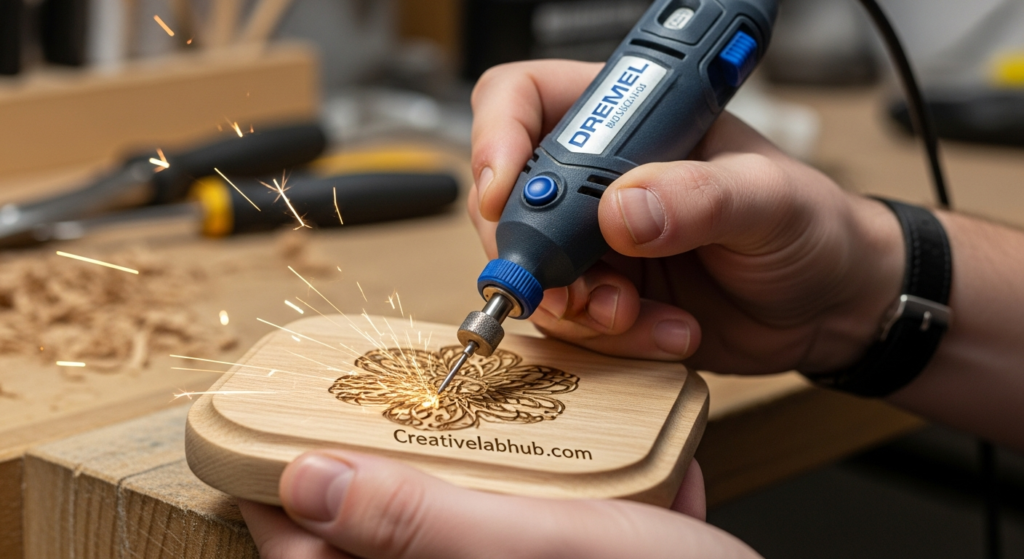
Artists engrave glass, wood, and metal to create personalized gifts. The precision lets you add intricate details impossible with hand tools.
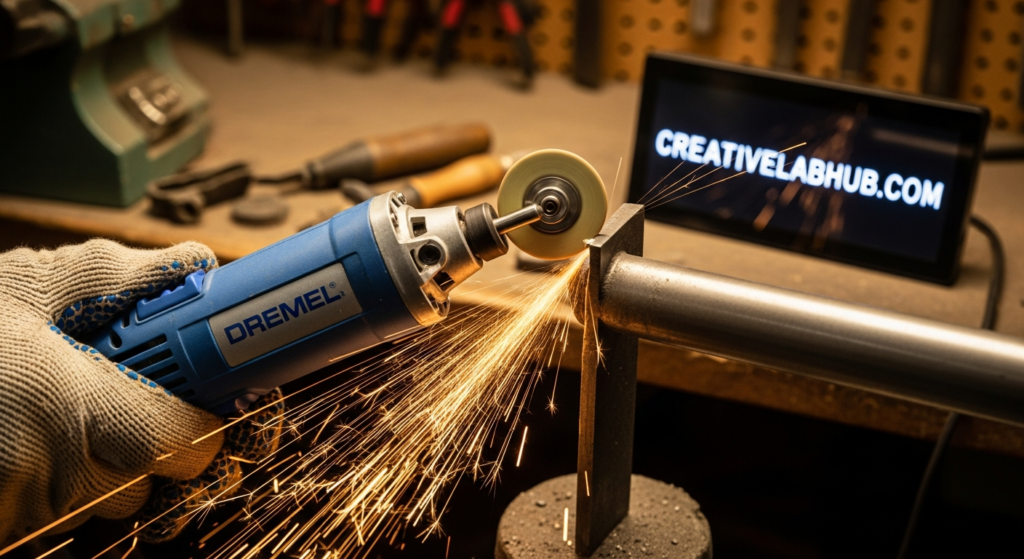
Home renovators cut through stuck screws, bolts, and fasteners. When nothing else works, a cutting wheel saves the day.
Choosing Your First Dremel Tool
Walking into a hardware store can feel overwhelming. Multiple models stare back at you, each claiming to be the best.
Start by considering your primary use. Occasional hobbyists have different needs than daily craftspeople.
Corded vs. Cordless Models
Corded dremel tools provide consistent power. You never worry about battery life mid-project. They’re typically more powerful and cost less initially.
However, the cord limits mobility. You’re tethered to an outlet, which can be frustrating for outdoor projects.
Cordless models offer freedom of movement. Modern lithium-ion batteries deliver impressive run times. You can work in tight spaces without wrestling a cord.
The trade-off comes in power and cost. Battery-powered versions usually cost more and may lack the sustained power of corded options for heavy-duty tasks.
Speed and Power Considerations
Higher RPM doesn’t always mean better performance. Different materials require different speeds.
Wood and plastic work best at lower speeds (10,000 to 15,000 RPM). Higher speeds can melt plastic or burn wood.
Metal grinding and cutting need moderate to high speeds (20,000 to 30,000 RPM). The harder the material, the faster you generally want to spin.
Variable speed control is essential. Fixed-speed models severely limit your versatility. Invest in adjustable speed even if it costs slightly more.
Essential Accessories to Start
Don’t get caught up buying every attachment immediately. Begin with a basic kit that covers common tasks:
Cutting wheels slice through metal, plastic, and wood. Get several because they wear down quickly.
Grinding stones shape and smooth surfaces. Different grits handle various levels of material removal.
Sanding drums with interchangeable bands tackle curved surfaces beautifully.
Polishing wheels and compound bring shine to metal and remove scratches.
Engraving bits let you personalize items with names, dates, or designs.
Most starter kits include these essentials. As you discover specific needs, expand your collection strategically.
Mastering Basic Techniques
Raw power means nothing without proper technique. The dremel tool rewards patience and steady hands.
Holding the Tool Correctly
Grip matters more than you might think. Hold your dremel tool like a pencil for maximum control.
Your dominant hand should grip near the middle of the tool. This position provides the best balance between control and comfort.
Support the tool with your other hand when possible. This creates stability and reduces fatigue during longer sessions.
Never grip too tightly. Tension in your hands transfers to the work, causing wavy cuts and uneven results. Stay relaxed.
Speed Selection Strategy
Match your speed to the material and attachment. This is where many beginners struggle.
Soft materials like wood, plastic, and aluminum prefer slower speeds. Start around 10,000 RPM and adjust as needed.
Hard materials like steel, stone, and ceramics handle higher speeds better. Begin around 25,000 RPM and fine-tune.
When in doubt, start slower. You can always increase speed, but starting too fast can damage both your work and the bit.
Listen to the sound. A smooth, consistent hum indicates proper speed. Squealing or chattering means you need to adjust.
Safety First Approach
Your dremel tool spins fast enough to cause injury. Respect it accordingly.
Safety glasses are mandatory. Flying debris happens constantly, even during seemingly gentle tasks. Protect your vision every single time.
Dust masks prevent respiratory issues. Grinding and sanding create fine particles that you shouldn’t breathe. Wear appropriate respiratory protection.
Secure your workpiece properly. Clamp it down or hold it in a vise. Never hold small items in your hand while working on them.
Keep the workspace clean. Debris buildup creates fire hazards, especially when working with wood or plastics.
Inspect attachments before use. Cracked or damaged bits can shatter at high speeds. Replace them immediately.
Creative Projects You Can Tackle
The real fun begins when you put theory into practice. Let’s explore specific projects that showcase your dremel tool’s capabilities.
Home Improvement Tasks
Removing old caulk becomes quick and easy. Use a cutting attachment to slice through hardened caulk around tubs, sinks, and windows. The precision prevents damage to surrounding surfaces.
Cutting through rusted screws saves countless headaches. When a screw head strips or rusts solid, a cutting wheel makes removal simple. Just slice a new groove and use a flathead screwdriver.
Trimming door jambs for new flooring installation requires precision. A dremel tool with a flush-cut attachment does this perfectly. You can undercut the jamb without removing the door.
Cleaning mortar from bricks during restoration work is tedious by hand. A grinding stone speeds up the process dramatically while maintaining control.
Craft and Hobby Applications
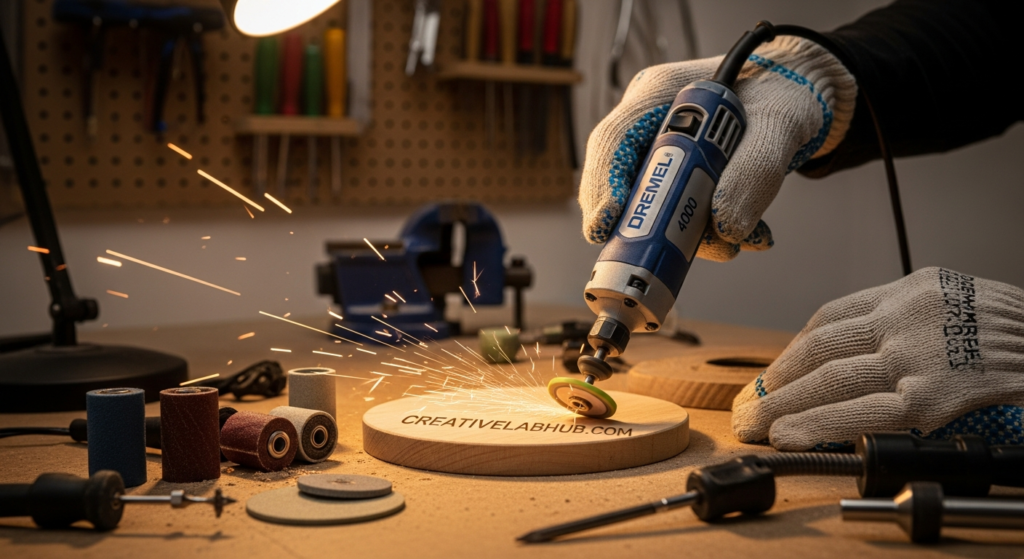
Engraving wood signs adds a professional touch to handmade gifts. Practice on scrap pieces first, then create beautiful custom pieces.
Etching glass transforms plain glassware into personalized treasures. Wedding gifts, holiday presents, and home decor become unique with simple designs.
Shaping polymer clay after baking lets you refine details. Sanding attachments smooth rough edges and create professional finishes.
Cutting circuit boards for electronics projects requires precision. A small cutting wheel makes clean cuts without damaging delicate components.
Automotive and Repair Work
Removing rust from tools extends their lifespan significantly. Wire brushes and grinding wheels strip rust quickly, preparing surfaces for paint.
Cutting frozen bolts that won’t budge with penetrating oil becomes your last resort. The cutting wheel provides a solution when all else fails.
Polishing headlights restores clarity to clouded plastic lenses. Progressive sanding and polishing brings back like-new visibility.
Shaping body filler during automotive repairs gives you control. Sand it smooth before painting for professional results.
Maintenance and Care Tips
Your dremel tool will serve you faithfully for years with minimal maintenance. A few simple habits keep it running smoothly.
Cleaning After Each Use
Debris builds up quickly during use. Compressed air blows out dust from vents and moving parts.
Wipe down the exterior with a slightly damp cloth. Remove any residue before it hardens or accumulates.
Check the collet and collet nut for debris. Metal filings can prevent proper bit seating, affecting performance and safety.
Bit and Attachment Storage
Organize your accessories logically. Many people use tackle boxes or multi-drawer organizers.
Label compartments by bit type. This saves time searching and prevents frustration mid-project.
Protect cutting wheels and grinding stones from moisture. They can deteriorate if stored improperly.
Keep backup bits on hand. Running out of consumables mid-project is frustrating and easily preventable.
Long-Term Storage Considerations
If you won’t use your dremel tool for extended periods, take extra precautions.
Remove the battery from cordless models. This prevents deep discharge that can permanently damage batteries.
Store in a dry location away from extreme temperatures. Moisture and heat degrade components over time.
Run corded models briefly every few months. This keeps internal components lubricated and prevents seizing.
Common Mistakes to Avoid
Everyone makes mistakes when learning new tools. Recognizing these pitfalls helps you skip them entirely.
Pressing Too Hard
The dremel tool works through speed, not pressure. Let the attachment do the work.
Excessive pressure causes several problems. Bits wear out prematurely, motors overheat, and results suffer.
Light, consistent pressure produces better outcomes. The tool cuts efficiently without forcing it.
If you find yourself pushing hard, you’re using the wrong attachment or wrong speed. Reassess your approach.
Ignoring Speed Requirements
Each material has an ideal speed range. Working outside this range creates problems.
Too slow on hard materials generates excessive heat. This can damage the bit and work surface.
Too fast on soft materials causes melting, burning, or uncontrolled material removal.
Consult speed charts included with your tool or available online. These guides eliminate guesswork.
Skipping Protective Equipment
Safety gear feels inconvenient until you need it. Then you’re grateful you wore it.
Eye injuries from flying debris are completely preventable. Glasses take two seconds to put on.
Breathing problems from dust develop over time. Protect your lungs now to avoid issues later.
Gloves seem smart but can actually be dangerous. Rotating tools can catch fabric and cause serious injury. Skip gloves and grip the tool properly instead.
Advanced Techniques Worth Learning
Once you master basics, advanced techniques open new possibilities.
Flex Shaft Attachment Benefits
This accessory transforms your dremel tool into a precision instrument. The flexible cable separates the motor from the handpiece.
You gain incredible control for detailed work. Engraving, polishing jewelry, and miniature carving become much easier.
The lighter handpiece reduces hand fatigue significantly. Long sessions become comfortable instead of exhausting.
This attachment costs extra but proves invaluable for fine work. Serious hobbyists and professionals consider it essential.
Router Attachment Capabilities
Turn your dremel tool into a mini router for woodworking. The attachment provides depth control and a base for smooth movement.
Create decorative edges on small projects. Make signs, plaques, and craft items with professional-looking details.
Cut inlays and channels for wire or decorative elements. The precision exceeds what hand tools can achieve.
Practice on scrap wood first. Router work requires a steady hand and consistent speed.
Multi-Tool Platform Integration
Some dremel tools accept oscillating multi-tool attachments. This versatility expands functionality dramatically.
Oscillating tools excel at flush-cutting, scraping, and sanding in tight spaces. Combined with rotary capabilities, you’ve got incredible versatility.
Check compatibility before assuming your model works. Not all dremel tools support this feature.
Troubleshooting Common Issues
Even the best tools occasionally act up. Most problems have simple solutions.
Bit Won’t Stay Tight
The collet or collet nut might be worn. These parts wear over time and need periodic replacement.
Clean the collet thoroughly. Debris prevents proper gripping, allowing bits to slip during use.
Use the correct size collet for your bit shank. Forcing wrong sizes causes problems and safety hazards.
Tighten firmly but don’t overtighten. Excessive force can strip threads or crack the collet.
Tool Loses Power Under Load
Cordless models might have depleted batteries. Charge fully and see if performance improves.
Corded models might be overheating. Give the motor time to cool down between heavy sessions.
Worn brushes in older tools reduce power output. These are replaceable on many models.
Using the wrong speed for your task causes apparent power loss. Adjust speed appropriately.
Excessive Vibration
Damaged or bent bits cause vibration. Inspect carefully and replace anything questionable.
Loose collet allows wobble. Tighten properly before each use.
Worn bearings in older tools create vibration. This typically requires professional service.
Conclusion
The dremel tool opens up a world of precision crafting and problem-solving. From simple repairs to creative projects, this versatile rotary tool handles tasks that would otherwise require expensive equipment or professional help.
You’ve learned how to choose the right model, master essential techniques, and avoid common pitfalls. Remember that skill develops with practice. Start with simple projects and gradually tackle more complex work as your confidence grows.
The investment in a quality dremel tool pays dividends for years. Proper maintenance keeps it running reliably while expanding your accessory collection increases versatility.
What project will you tackle first with your dremel tool? Whether you’re fixing something broken or creating something beautiful, you now have the knowledge to succeed. Start small, practice safe techniques, and enjoy the satisfaction of precision work done right.
Share your experiences and creative projects with fellow DIY enthusiasts. The community learns and grows when we exchange knowledge and inspiration.
FAQs
What’s the difference between Dremel and other rotary tools?
Dremel is a brand name that has become synonymous with rotary tools. Other manufacturers make similar tools, often at lower prices. Dremel typically offers better build quality, more accessories, and stronger customer support. Generic rotary tools work fine for occasional use, but serious users prefer Dremel’s reliability and performance.
Can I use a dremel tool on glass?
Yes, you can etch, engrave, and cut glass with proper accessories. Diamond-coated bits work best for glass projects. Always wear safety glasses and work slowly to prevent cracking. Use water as a lubricant when cutting to reduce heat and extend bit life. Start with practice pieces before working on valuable items.
How long do dremel tool bits last?
Lifespan varies dramatically based on usage and material. Cutting wheels might last minutes on metal or hours on soft materials. Grinding stones last longer but eventually wear down. Diamond bits last longest, potentially through hundreds of projects. Buy bits in bulk to save money since they’re consumable items that need regular replacement.
Is a corded or cordless dremel tool better?
Corded models provide consistent power and unlimited runtime, ideal for heavy or extended use. Cordless offers portability and convenience, perfect for quick tasks or working in areas without outlets. Consider your primary use case. If you work mainly in a workshop, corded makes sense. For varied locations, cordless is worth the extra cost.
What safety precautions should I take?
Always wear safety glasses to protect against flying debris. Use a dust mask when grinding or sanding to avoid breathing particles. Secure your workpiece firmly before starting. Never hold small items in your hand while working. Inspect bits before each use for damage. Keep the work area clean and well-lit. Start at lower speeds and increase gradually.
Can beginners use a dremel tool safely?
Absolutely. The dremel tool is one of the most beginner-friendly power tools available. Start with simple projects and lower speeds to build confidence. Read the instruction manual thoroughly before first use. Watch tutorial videos to see proper techniques. Practice on scrap materials before working on actual projects. Follow safety guidelines consistently from day one.
How do I choose the right bit for my project?
Match the bit material to your workpiece. Carbide bits handle hard materials like metal and stone. High-speed steel works well for softer metals and wood. Diamond bits excel with glass, tile, and ceramics. Consider the task too. Cutting requires different bits than grinding or polishing. Starter kits include variety packs that cover most common applications.
What’s the ideal RPM for different materials?
Wood and plastic work best at 10,000 to 15,000 RPM to prevent burning or melting. Soft metals like aluminum and brass perform well at 15,000 to 20,000 RPM. Hard metals including steel prefer 20,000 to 30,000 RPM for efficient cutting. Stone and ceramics handle higher speeds of 25,000 to 35,000 RPM. Always consult material-specific guides and start conservatively.
How often should I clean and maintain my dremel tool?
Clean after every use by blowing out dust with compressed air and wiping down the exterior. Check the collet for debris before each session. Deep clean the vents monthly if you use it frequently. Inspect power cords and moving parts regularly for wear. Cordless models need battery maintenance following manufacturer guidelines. Annual professional servicing extends lifespan for heavy users.
Can I sharpen knives with a dremel tool?
You can, but it requires skill and patience. Grinding stones can reshape damaged edges or remove nicks. However, achieving a proper cutting edge takes practice. The high speed makes it easy to remove too much material or create uneven bevels. Traditional sharpening methods often work better for kitchen knives. Reserve your dremel tool for major blade repairs rather than routine sharpening.
Also Read : 5×5 Storage Unit