


Make Your Site Mobile-Friendly: Top Strategies for Success 2026
Understanding the Importance of Mobile-Friendly Design
In today’s digital landscape, having a mobile-friendly website is no longer optional; it has become a necessity for businesses and content creators alike. With the increasing prevalence of smartphones and tablets, statistics show that mobile internet users have surpassed desktop users, highlighting a significant shift in how individuals access information online. In fact, data indicates that over 50% of global web traffic now originates from mobile devices, underscoring the urgency to make your site mobile-friendly.
Moreover, a mobile-friendly design not only caters to a growing audience but also has a substantial impact on search engine optimization (SEO). Search engines like Google prioritize mobile-friendly sites in their search results, meaning that websites optimized for mobile access are more likely to rank higher. This factor is crucial for visibility, as businesses that fail to adapt their sites may experience declines in organic traffic, leading to reduced opportunities for engagement and conversion.
User experience is another critical aspect affected by mobile design. When websites are not optimized for mobile viewing, users often encounter difficulties navigating pages, leading to frustration and abandoned sessions. Research shows that a poor mobile experience directly correlates with higher bounce rates. When users find content difficult to read or interact with on small screens, they are more likely to leave the site prematurely, which further diminishes its effectiveness.
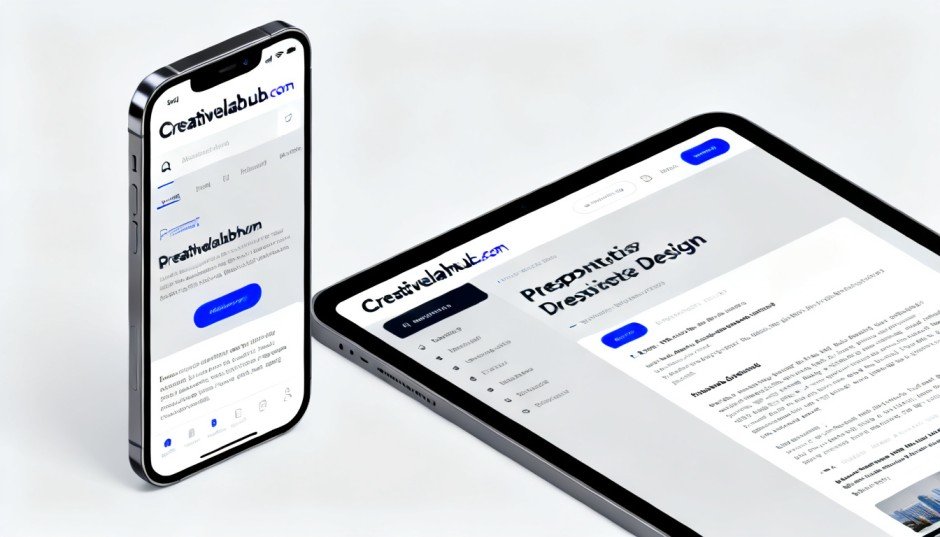
In essence, ensuring that your website is mobile-friendly is essential for meeting the expectations of modern digital consumers. As more people rely on mobile devices for their browsing needs, adapting to this trend not only enhances user satisfaction but also ensures the long-term success of your online presence.
Key Features of a Mobile-Friendly Site
Creating a mobile-friendly website is essential in today’s digital landscape, where a significant proportion of users access online content via mobile devices. There are several key features that define a mobile-friendly site, all of which contribute to a seamless user experience.
First and foremost is responsive design. A responsive design ensures that a website automatically adjusts its layout to fit the screen size of the device in use, whether it be a smartphone, tablet, or desktop. This adaptability is crucial as it prevents the need for users to zoom in or scroll excessively, allowing for a more enjoyable interaction with the site.
Another important attribute is fast loading speeds. Mobile users expect pages to load quickly, as slow-loading sites can lead to frustration and high bounce rates. To enhance loading times, it is advisable to optimize images, reduce redirects, and utilize browser caching. Google recommends that mobile sites load in three seconds or less, emphasizing the necessity for businesses to prioritize this aspect.
Easy navigation is also critical for a mobile-friendly site. Simplifying menus and employing clear and concise labeling helps users find the information they need without confusion. A mobile-optimized website should have touch-friendly buttons that are easy to tap and navigate, reducing the likelihood of user errors when navigating the site.
Furthermore, the legibility of text plays a vital role in user experience. Text should be readable without the need for zooming, which typically means using a minimum font size of 16 pixels. Finally, accessible buttons that are appropriately sized and placed make it easy for users to interact with the content. All these features work together to make your site mobile-friendly and facilitate better engagement from your audience.
Responsive Design vs. Mobile-Only Sites
As businesses shift focus to enhance user experience across platforms, the debate between responsive design and mobile-only websites becomes increasingly relevant. Each approach has its unique set of benefits and drawbacks, which can impact how efficiently you can make your site mobile-friendly.
Responsive design involves creating a single website that adapts to different screen sizes and devices. This approach uses fluid grids, flexible images, and CSS media queries to ensure that content renders optimally no matter the device. The significant advantage of responsive design lies in its user experience; it allows users to access the same website seamlessly across different devices without the need for multiple URLs. This can lead to improved SEO rankings, as search engines like Google favor mobile-friendly sites that offer consistent user experiences.
On the other hand, mobile-only sites are separate, optimized versions of a primary website designed specifically for mobile users. This means that while mobile users are directed to a different URL, they are ensured a tailored experience that maintains performance and speed. The primary benefit of mobile-only sites is speed; they can load faster than their responsive counterparts since they are streamlined with only the essential elements. However, managing two separate websites can lead to increased maintenance costs and the potential for content inconsistencies between the desktop and mobile versions.
Ultimately, choosing between responsive design and a mobile-only site hinges on the specific needs of your business and its audience. If a unified experience across devices is a priority, responsive design may be the best route. Conversely, if optimal performance for mobile users is paramount, a mobile-only site could suit your needs better. Understanding these differences is crucial when aiming to make your site mobile-friendly effectively.
Best Practices for Optimizing Content for Mobile Devices
To make your site mobile-friendly, optimizing content for mobile devices is essential. The aim is to facilitate an enjoyable user experience without compromising on quality. One of the foremost considerations is font size. Text should be legible without requiring users to zoom, which often means using a base font size of at least 16 pixels. Additionally, spacing between paragraphs should be ample to prevent clutter and enhance readability.
When it comes to images, size does matter. Large images can slow down page load times, which is particularly detrimental on mobile networks. To counter this, opt for responsive images. These automatically adapt to screen size, maintaining high quality while ensuring faster loading. Image formats, such as WebP, further aid in optimizing performance and minimizing load. Furthermore, alt text should be included for each image, not only for accessibility but also for SEO benefits.
Video embedding is another crucial factor in mobile-friendly content. Utilize platforms like YouTube or Vimeo that offer responsive embedding options. Ensure that videos are optimized for mobile playback, meaning shorter lengths and higher resolutions suited for smaller screens. In addition to visual elements, the structure of articles plays a vital role in engagement. This primarily consists of utilizing headings and bulleted lists for easy scanning. Clear and concise content, along with effective use of white space, can greatly increase reader retention on mobile devices.
By focusing on these best practices, you can ensure that your content not only looks visually appealing but also functions effectively across various mobile platforms. This multifaceted approach to optimization will contribute significantly to creating a mobile-friendly site.
The Role of Page Speed in a Mobile-Friendly Experience
Page speed has emerged as a crucial factor in determining the overall user experience on mobile devices. With the increasing use of smartphones for browsing, website owners must prioritize loading times to ensure customer satisfaction. Studies show that 53% of mobile users abandon websites that take longer than three seconds to load. This statistic underscores the significance of optimizing loading speeds as a fundamental component of a mobile-friendly site.
The impact of page speed transcends mere user convenience; it significantly affects search engine rankings as well. Google’s algorithm considers loading times as a ranking factor, which means that a faster site is more likely to perform better in search results. As users gravitate towards platforms that provide a seamless experience, enhancing page speed becomes essential not just for retaining potential customers, but also for maintaining visibility in a competitive online landscape.
Implementing practical measures to improve site speed is necessary for making your site mobile-friendly. Start by optimizing images, as large file sizes can dramatically slow down load times. By compressing images without losing quality, website owners can significantly enhance performance. Additionally, utilizing modern coding practices such as minifying CSS and JavaScript can reduce file sizes and improve load times. Furthermore, employing asynchronous loading for scripts ensures that elements do not block rendering, which contributes to a smoother experience on mobile devices.
Incorporating responsive design, which adapts to various screens and orientations, is another effective strategy for improving a site’s mobile-friendliness. This not only helps with speed but also enhances usability. Finally, utilizing Content Delivery Networks (CDNs) can distribute the load and decrease latency, thereby improving page load times across different geographical locations. By prioritizing page speed, organizations can ensure a positive mobile experience that meets user expectations in today’s fast-paced digital environment.
Testing and Tools for Mobile-Friendliness
To ensure a website is optimized for mobile devices, testing and utilization of the right tools are crucial components in the process of making your site mobile-friendly. One fundamental tool is Google’s Mobile-Friendly Test, which assesses page loading speed, user interface, and other crucial metrics. It provides a straightforward way to check whether a webpage meets the criteria for mobile optimization. Simply enter the URL of the webpage, and the tool will generate a report highlighting any mobile usability issues that may exist.
In addition to Google’s offering, there are various other platforms and tools available for checking mobile-friendliness. Tools such as GTmetrix and PageSpeed Insights not only examine the mobile-friendliness of a site but also offer insights into loading speeds and performance on mobile devices. These tools provide detailed information about various speed metrics and actionable recommendations for improving site performance and user experience.
When interpreting the results from these tools, it is important to focus on both quantitative and qualitative assessments. Metrics such as mobile page speed, load times, and responsiveness should be considered alongside user recommendations to develop an informed action plan. Essentially, focus on rectifying the most critical issues first, such as optimizing images, leveraging browser caching, and simplifying navigation menus which can greatly enhance the mobile experience.
Moreover, continuing to monitor performance across multiple devices is key in maintaining mobile-friendliness. Utilizing analytics platforms, such as Google Analytics, can help track user engagement and behavior on mobile devices, allowing for iterative improvements to be made over time.
Handling Technical Challenges in Mobile Optimization
Making your site mobile-friendly involves addressing several technical challenges that can affect user experience and site performance. One of the primary concerns is configuring viewport settings correctly. The viewport is essentially the user’s visible area of a web page, and if not properly set, it can lead to content being displayed too small or too large. To optimize your site, ensure you include the following meta tag in your HTML header: <meta name="viewport" content="width=device-width, initial-scale=1.0">. This setting allows your layout to be responsive and adapt seamlessly to different screen sizes.
Image formatting is another critical aspect of mobile optimization. Large images can significantly slow down page load times, which can deter mobile users. To mitigate this issue, consider using image formats such as WebP that provide better compression without sacrificing quality. Additionally, implementing responsive images through the <picture> element can help serve appropriately sized images based on the device’s screen resolution and size, ensuring faster loading times.
JavaScript challenges also pose potential obstacles in making your site mobile-friendly. Heavy JavaScript files can contribute to increased loading times and reduced performance, particularly on mobile devices with limited processing power. To combat this, use asynchronous loading for JavaScript files by applying the defer or async attributes in your script tags. This adjustments will allow scripts to load in a manner that does not disrupt the critical rendering path of the page.
By effectively addressing viewport settings, optimizing image formatting, and managing JavaScript properly, you can minimize technical challenges when you make your site mobile-friendly. Implementing these strategies will enhance your site’s accessibility and performance across various mobile devices.
The Future of Mobile-Friendly Websites
The landscape of web design is continuously evolving, with mobile-friendly websites becoming an essential aspect of digital strategy. In the coming years, we can expect several trends and technologies to significantly impact how websites are developed to cater to mobile users. One of the most notable trends is mobile-first indexing, which indicates that search engines, particularly Google, prioritize the mobile version of a website over its desktop counterpart for ranking purposes. This shift emphasizes the need for businesses to create and optimize their sites for mobile devices first, ensuring they deliver seamless user experiences.
Additionally, the increase in voice search is likely to play a crucial role in shaping mobile-friendly website design. With the growing popularity of virtual assistants like Siri, Alexa, and Google Assistant, users are increasingly searching online using natural language queries. This shift demands that webmasters adapt their content strategy to incorporate more conversational keywords and phrases, making it easier for voice search algorithms to retrieve relevant information and improve the overall user experience.
An exciting development on the horizon is the rise of Progressive Web Apps (PWAs). PWAs blur the lines between web and mobile applications, offering users an app-like experience directly from their browsers. These applications load quickly, work offline, and provide push notifications, all contributing to enhanced user engagement. By adopting PWAs, businesses can ensure that they present a mobile-friendly interface that meets the expectations of today’s consumers promoting faster load times and improved responsiveness.
In summary, as we progress further into the digital age, making your site mobile-friendly will require an ongoing commitment to keeping up with evolving technologies and user habits. Anticipating trends like mobile-first indexing, the increase in voice search, and the development of PWAs will be crucial to maintaining a competitive edge in website performance and user satisfaction.

Conclusion and Action Steps
Creating a mobile-friendly site is no longer an option; it is a necessity in today’s digital landscape. With the increasing number of users accessing websites via smartphones and tablets, ensuring that your site is optimized for mobile use can significantly impact your visibility and user engagement. To summarize the critical strategies discussed, users should prioritize responsive design, enable fast loading times, and ensure intuitive navigation.
Here are some actionable steps to take as you work on making your site mobile-friendly:
- Adopt responsive web design, which adjusts your site’s layout automatically based on the user’s screen size.
- Utilize tools such as Google’s Mobile-Friendly Test to evaluate your current website’s performance on mobile devices.
- Optimize images and videos for quicker loading times, ensuring that large media files do not hinder user experience.
- Simplify your site’s navigation, keeping menus concise and ensuring key information is accessible within a few clicks.
- Conduct regular testing across various devices and browsers to ensure consistent performance and usability.
Additionally, consider leveraging analytics tools to monitor user behavior on mobile devices, allowing for data-driven decisions on further improvements. Many resources are available to assist in this process, including online courses, articles, and professional services tailored to help optimize your site.
By following these action steps and committing to enhancing your site’s mobile-friendliness, you can create a more accessible and enjoyable experience for your users. As mobile technology continues to evolve, remaining proactive in optimizing your site will put you ahead in the competitive online landscape.
Also read creativelabhub.com
Email: johanharwen314@gmail.com
Author Name: Johan Harwen