


On-Page SEO Checklist: 2026 Essentials for Success 2026
Introduction to On-Page SEO
On-Page SEO CHECKLIST, often regarded as a foundational element of search engine optimization, encompasses all the strategies and techniques implemented directly on a website to improve its visibility in search engine results. As we approach 2026, the significance of On-Page SEO becomes increasingly apparent, given the ever-evolving algorithms and user expectations prevalent in the digital landscape. This aspect of SEO focuses primarily on optimizing various elements within the web pages to ensure that both search engines and users can effectively understand the content offered.
Key components of On-Page SEO include title tags, meta descriptions, header tags, and internal linking, along with the quality of the content presented. Title tags serve as the initial point of interaction between a website and potential visitors, offering a concise indication of the page’s content. Similarly, meta descriptions, although not directly influencing rankings, play a crucial role in inspiring clicks from search engine results, thereby driving traffic to the site. By crafting compelling and relevant meta descriptions, website owners can improve their click-through rates significantly.
Moreover, high-quality content remains at the heart of On-Page SEO. Search engines prioritize content that provides value to users, making keyword optimization and relevance critical. In 2026, it is essential for content to not only incorporate industry-relevant keywords but also address user intent comprehensively. Moreover, utilizing header tags not only organizes content for better readability but also highlights important topics, further optimizing the page for search engines.
The incorporation of these strategies within a comprehensive On-Page SEO checklist establishes a robust framework that enhances visibility, improves user experience, and ultimately contributes to better search rankings. In summary, navigating the complexities of On-Page SEO is indispensable for businesses aiming for sustained online success in the highly competitive digital environment of 2026.
Essential Elements of the SEO Checklist
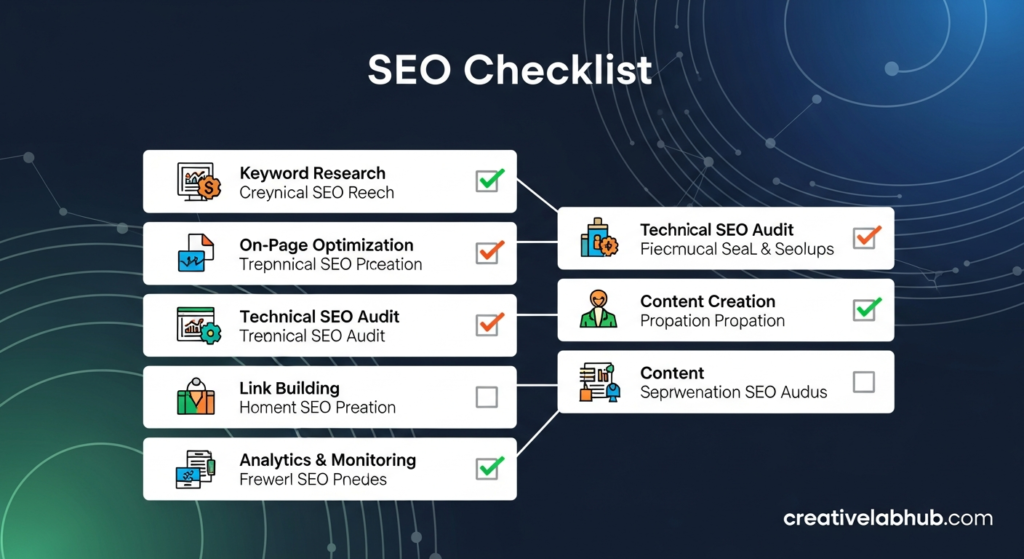
To achieve optimal performance in search engine rankings, a well-structured On-Page SEO checklist serves as a crucial framework for webmasters and content creators. This checklist encompasses various components that enhance web visibility. Among these, keyword research stands out as a foundational element, enabling the identification of terms and phrases that potential users are likely to search for. Conducting thorough keyword research and strategically placing these keywords within the content can significantly improve relevance and ranking.
URL structure is another vital aspect of On-Page SEO. Clean, concise URLs that incorporate keywords not only improve readability but also provide search engines with context about the content. Constructing URLs that reflect the content hierarchy can further bolster search engine understanding and user experience.
Header tags (H1, H2, H3, etc.) play an essential role in organizing content. Utilizing these tags appropriately creates a structured framework that guides readers and search engines alike. The main title should be encapsulated within an H1 tag, while H2 and H3 tags can denote subheadings. This hierarchical organization enhances the clarity of content and highlights critical information.
Image optimization is often overlooked, yet it is a significant factor in On-Page SEO. Properly naming image files and employing alt text not only aids in accessibility but also contributes improved search visibility. Compressed images also promote faster page load times, which is paramount for user satisfaction.
Internal linking enhances site architecture by connecting related content within a site. This practice aids user navigation and encourages visitors to explore additional resources, thereby decreasing bounce rates. Furthermore, mobile-friendliness has become non-negotiable in the realm of On-Page SEO. Employing responsive design ensures that websites provide an effective user experience across various devices.
Tools and Resources for On-Page SEO
To effectively implement the On-Page SEO checklist, utilizing the right tools can significantly enhance a website’s visibility and performance. Various resources are available that cater to different aspects of on-page optimization, such as keyword research, website auditing, content enhancement, and performance tracking. These tools come in both free and premium options, providing flexibility based on budget and needs.
For keyword analysis, tools like Google Keyword Planner and Ahrefs stand out. Google Keyword Planner allows users to discover keywords that are relevant to their niche while providing insights into search volume and competition. On the other hand, Ahrefs not only offers keyword data but also helps in analyzing competitors’ websites, enabling users to make informed decisions about their content strategies.
Website auditing is another critical aspect of on-page SEO, where tools such as SEMrush and Moz come into play. Both platforms provide comprehensive site audits that identify issues such as broken links, missing meta tags, and page speed concerns, which can hinder SEO efforts. Regular audits help in maintaining the overall health of a website and ensure compliance with SEO best practices.
For content optimization, Yoast SEO for WordPress is an essential tool that assists in optimizing on-page elements like title tags, meta descriptions, and overall readability. It offers suggestions based on SEO best practices, helping writers enhance their content for search engines while maintaining user engagement.
Lastly, tracking performance is vital for ongoing SEO efforts. Tools such as Google Analytics and Google Search Console provide deep insights into website traffic, user behavior, and search performance. These tools empower website owners to analyze data, allowing them to refine their strategies based on real-time results.
By leveraging these recommended tools effectively, marketers can streamline their on-page SEO efforts, making adherence to the checklist a more manageable task, ultimately leading to improved site performance and visibility in search engine results.
Future Trends in On-Page SEO
As the digital landscape continues to evolve, it is crucial for webmasters and marketers to stay ahead of emerging trends in On-Page SEO. One of the most significant factors influencing this evolution is the integration of artificial intelligence (AI) into search algorithms. AI-driven technologies are revolutionizing how search engines understand and interpret content. Algorithms are becoming more sophisticated in analyzing user intent, context, and semantics, leading to better search results. Consequently, optimizing content requires a more nuanced understanding of these dynamics. Content creators must focus on quality, relevance, and engagement to align with AI’s grading of webpages.
Another vital trend is the increasing prevalence of voice search. As virtual assistants like Siri, Google Assistant, and Alexa gain traction, optimizing for voice queries has become essential. This shift necessitates a focus on natural language processing and the use of conversational keywords. Content must be structured to cater to spoken inquiries, often expressed in question formats or long-tail keywords. Implementing FAQ sections on websites can not only improve user experience but also enhance visibility in voice search results.
User experience (UX) metrics are also becoming pivotal in determining search engine rankings. Factors such as page load speed, mobile responsiveness, and overall usability influence how users interact with content. Search engines prioritize websites that provide a seamless experience, understanding that happy users are more likely to engage with, and return to, a site. Therefore, ensuring optimal user experience should be a primary focus in On-Page SEO strategies.
Adapting to these trends requires a proactive approach. Incorporating AI insights, optimizing for voice search, and enhancing UX metrics will ensure that On-Page SEO strategies remain effective long into the future, well beyond the year 2026. By staying informed and implementing these changes, marketers can ensure their online presence remains competitive amid the evolving digital landscape.