

Puglia Italy: The Stunning Secret That Ruins Every Other Destination 2026
Why Puglia Italy Keeps Pulling Travelers Back
You plan one trip to Puglia Italy, and suddenly everywhere else feels a little ordinary. That is not an exaggeration. That is what travelers say, again and again, after they spend time in this sun-baked region on the heel of Italy’s boot.
Puglia sits at the southeastern tip of Italy, stretching between two seas: the Adriatic to the east and the Ionian to the west. It offers over 800 kilometers of coastline, a landscape dotted with ancient olive trees, whitewashed hill towns, and stone trulli houses that look like something from a fairy tale. More than 6 million tourists visited the region in 2023 alone, and that number keeps rising.
But what makes Puglia truly special is not just its beauty. It is the combination of authenticity, affordability, and variety. You get world-class beaches, incredible food, UNESCO World Heritage sites, and real Italian village life, all in one place. This article covers everything you need to know to plan a great trip, including where to go, what to eat, when to visit, and how to make the most of your time there.

Where Exactly Is Puglia Italy?
Puglia (also spelled Apulia in English) forms the heel and spur of Italy’s boot-shaped peninsula. It borders Campania and Basilicata to the west, and it faces Albania and Greece across the Adriatic and Ionian Seas.
The region is large, covering nearly 19,000 square kilometers. It includes several distinct zones, each with its own character. Knowing which areas interest you most helps you plan a smarter itinerary.
The Key Zones of Puglia
- The Gargano Peninsula: A rugged national park in the north, with dramatic cliffs and turquoise coves.
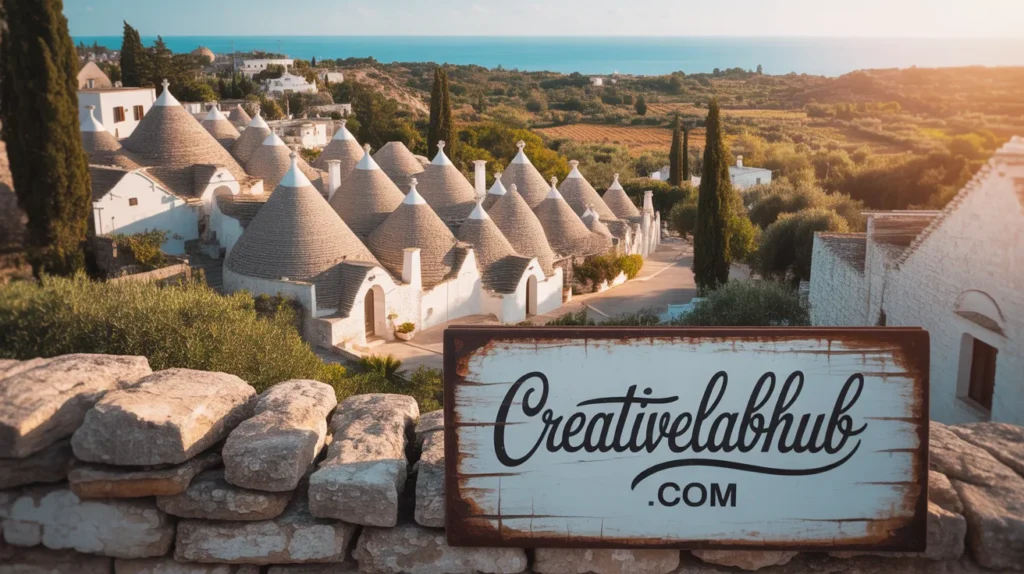
- Valle d’Itria (Itria Valley): The heart of trulli country, home to Alberobello, Locorotondo, and rolling vineyards.
- Salento: The southernmost tip, known for crystal-clear water, Baroque towns like Lecce, and the relaxed local culture.
- The Bari Province: The regional capital and main transport hub, great as a base for day trips.
- Taranto and the Ionian Coast: A working port city with a fascinating ancient history and quieter beaches.
Top Cities and Towns to Visit in Puglia Italy
Lecce: The Florence of the South
Lecce earns its nickname every single time you round a corner. The city is famous for its ornate Baroque architecture, all carved from the local golden limestone called pietra leccese. The stone is soft enough to carve in extraordinary detail, and the artisans of past centuries took full advantage of that. The Basilica di Santa Croce is the showstopper, but even ordinary doorways here look sculpted by obsession.
Lecce is also a university city, which means it has great cafes, vibrant nightlife, and a young energy that many other Pugliese towns lack. Spend at least two full days here.
Alberobello: The Trulli Town
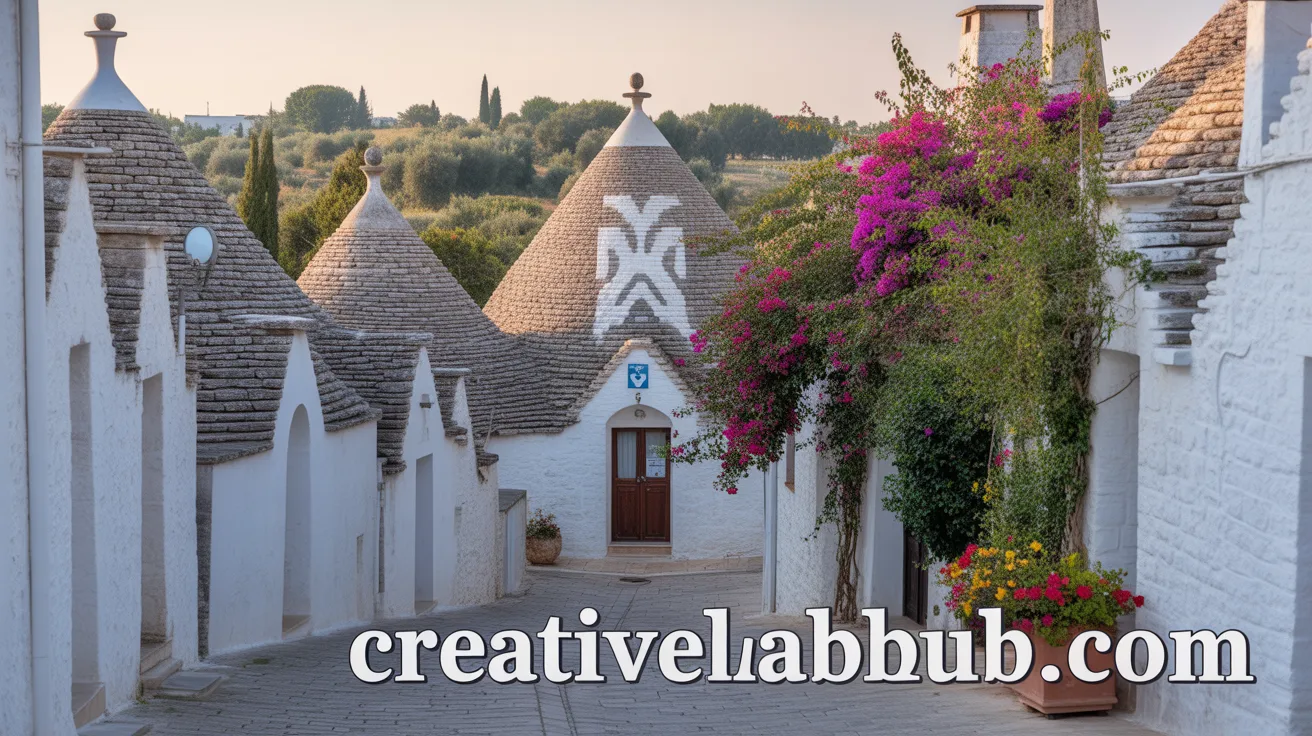
Alberobello is the reason many people visit Puglia Italy in the first place. The town contains over 1,500 trulli, the conical-roofed stone houses that are unique to this region. The trulli district, Rione Monti, is a UNESCO World Heritage Site and looks almost impossibly photogenic, especially in the early morning before the tour groups arrive.
Yes, it is touristy. But it is also genuinely unlike anything else you will see in Europe. Stay overnight in a trullo if you can. Many of them are now converted into guesthouses, and waking up inside one is an experience worth the premium.
Ostuni: The White City
Ostuni rises from the olive-covered plain like a cluster of sugar cubes stacked on a hilltop. The whitewashed old town is stunning at any time of day, but it glows especially during the golden hour before sunset. The streets are narrow, winding, and full of small restaurants and artisan shops. Ostuni is about 40 kilometers from the coast, making it easy to combine with a beach day.
Polignano a Mare: The Cliffside Gem
Polignano a Mare sits on a limestone cliff above the Adriatic. The town itself is small and easily walked in an hour, but the setting is extraordinary. The main beach sits inside a cave-flanked cove below the old town walls. The view from the terrace above it, especially at sunset, is one of the most photographed spots in all of southern Italy. It is also the birthplace of singer Domenico Modugno, who wrote Volare.
Bari: More Than a Stopover
Most travelers pass through Bari to catch a ferry or flight. That is a mistake. The old town, called Bari Vecchia, is a fascinating labyrinth of narrow lanes, and the Basilica di San Nicola is one of the most important pilgrimage churches in Italy. The seafront promenade is lovely for an evening walk, and the local orecchiette pasta is best eaten in Bari, where grandmothers still make it by hand on their doorsteps.
The Best Beaches in Puglia Italy
With over 800 kilometers of coastline, Puglia gives you a serious range of beach choices. The Adriatic side tends to have calmer, shallower water, which makes it excellent for families. The Ionian side, especially in Salento, offers the kind of turquoise water that looks computer-enhanced in photos but is entirely real.
Standout Beaches Worth Your Time
- Porto Selvaggio: A nature reserve beach near Nardo, reached through a pine forest, with rocky cliffs and clear water.
- Baia dei Turchi: A stunning stretch near Otranto, named after a Turkish landing in 1480, with white sand and shallow water.
- Lama Monachile (Polignano a Mare): The iconic cove beach framed by limestone cliffs.
- Pescoluse (Spiagge Bianche): Fine white sand and shallow turquoise water in the far south, sometimes called the Maldives of Salento.
- Bisceglie: A quieter, less-crowded option closer to Bari, good for day trips.
Beach clubs (called lidi) are common in Puglia. They rent out sunbeds and umbrellas, usually for 15 to 30 euros per day. Many of the best coves also have free public access areas alongside them.
Puglia Italy Food: What You Absolutely Must Eat
Puglia produces more olive oil than any other region in Italy, somewhere around 40 percent of the national total. It also grows most of Italy’s durum wheat, and the food culture here reflects that agricultural abundance. Eating in Puglia is one of the best experiences in the country, full stop.
Essential Pugliese Dishes
- Orecchiette con cime di rapa: Small ear-shaped pasta with bitter broccoli rabe, anchovies, and chili. Simple, cheap, perfect.
- Fave e cicoria: Mashed fava beans with wild chicory, drizzled with local olive oil. This dish is ancient. It tastes like the earth itself.
- Panzerotti: Deep-fried dough pockets filled with tomato and mozzarella. A street food staple, especially in Bari.
- Burrata: You have probably eaten burrata elsewhere. You have not eaten it here. Fresh burrata from Andria is creamy beyond description.
- Sgagliozze: Fried polenta squares, sold in paper bags from street vendors in Bari’s old town.
- Pasticciotto: A short-crust pastry filled with custard cream, born in Galatina in Salento. Eat one warm for breakfast.
Puglia’s Wines
Puglia makes bold, sun-ripened wines that have been quietly improving in reputation for years. Primitivo di Manduria is perhaps the most famous, a rich red with high alcohol and deep fruit flavors. Negroamaro is another red worth knowing, producing wines that range from rustic and earthy to refined and complex. For white wine, Verdeca and Minutolo are refreshing local options.
The Salice Salentino DOC and Locorotondo DOC are the regions worth exploring if you want structured wine experiences. Many wineries in the Valle d’Itria offer cellar tours and tastings.
When Is the Best Time to Visit Puglia Italy?
This is one of the most common questions, and the answer depends on what you want from the trip.
Month by Month Breakdown
- April and May: Warm, green, uncrowded. Perfect for sightseeing, hiking, and culture. Prices are reasonable.
- June: Beach season starts. Still manageable crowds. One of the best overall months.
- July and August: Peak season. Hot (35 degrees Celsius and above), expensive, and very crowded, especially in August. Italians flood the region for vacation.
- September and October: The golden window. Warm sea, fewer tourists, lower prices, harvest festivals. Arguably the best time for most travelers.
- November to March: Off-season. Many coastal restaurants close. But you get Puglia nearly to yourself, with mild winter temperatures around 12 to 15 degrees Celsius.
If you want the beaches without the crowds, aim for June or September. If you want the cheapest prices and do not mind missing beach weather, late October through March works beautifully for cultural visits.
How to Get Around Puglia Italy
This is the one practical challenge that trips up many visitors. Puglia is large and spread out. Public transport exists, but it is limited in coverage and frequency. For most travelers, renting a car is the right choice.
Your Transport Options
- Car rental: The most flexible and efficient option. Roads are good, parking is manageable outside peak season, and you can reach rural masserie, vineyards, and hidden beaches on your own schedule.
- Train: Trenitalia and the local Ferrovie del Sud Est connect major towns like Bari, Lecce, Brindisi, and Taranto. For smaller towns, trains are slow or nonexistent.
- Bus: Flixbus and regional operators connect many towns, but schedules are inconvenient for sightseeing.
- Scooter or bicycle: Great options for short distances within a zone, particularly in the Valle d’Itria.
Fly into Bari (BRI) or Brindisi (BDS). Both airports have car rental desks. Brindisi is more convenient if your itinerary focuses on Salento. Bari is better for the northern parts of the region.
Staying in a Masseria: The Puglia Experience You Should Not Skip
A masseria is a traditional Pugliese farmhouse, often centuries old, typically surrounded by olive groves or vineyards. Many of them have been converted into luxury or boutique hotels, and staying in one gives you a completely different experience compared to a standard hotel.
Expect stone walls, high ceilings, private pools, farm-to-table dinners, and a pace of life that genuinely slows you down. Prices range widely, from around 100 euros per night for simpler options to 500 or more for high-end estates. Book well in advance for summer stays.
The Valle d’Itria and the area around Fasano and Ostuni have the highest concentration of masserie. If you stay in one for even two nights, it tends to become the highlight of the trip.
Culture and History: What Makes Puglia Italy So Layered
Puglia has been ruled by almost everyone. Greeks, Romans, Lombards, Byzantines, Normans, Swabians, Aragonese, and Bourbons have all left marks on this land. That accumulation of cultures is what gives the region its extraordinary architectural and culinary diversity.
Key Historical Sites
- Castel del Monte: A UNESCO-listed octagonal fortress built by Holy Roman Emperor Frederick II in the 13th century. Its geometry remains mysterious and beautiful.
- Otranto Cathedral: Home to a stunning 12th-century mosaic floor covering the entire nave. One of the great floor artworks of medieval Europe.
- Matera (day trip): Just over the Basilicata border, the ancient cave city of Matera is a compelling day trip from Puglia, and also a UNESCO site.
- Egnazia: An ancient Messapian and Roman city on the Adriatic coast, with a small but rewarding archaeological museum.
Practical Tips for Visiting Puglia Italy
- Book accommodation early: Masserie and trullo rentals in peak season sell out months ahead.
- Learn a few Italian phrases: Outside tourist hubs, English is not widely spoken, especially among older locals.
- Carry cash: Many smaller restaurants, markets, and beach clubs still prefer or require cash.
- Drive carefully in old towns: Streets in places like Ostuni and Alberobello are extremely narrow. Check whether your rental includes insurance that covers scrapes.
- Respect the afternoon siesta: Many shops close between 1 and 4 pm. Do not show up expecting lunch service at 3:30 pm in a small village.
- Stay hydrated: July and August temperatures regularly exceed 35 degrees. Drink water constantly and avoid midday sun exposure on exposed coasts.
A Suggested 7-Day Puglia Italy Itinerary
- Day 1: Arrive in Bari, explore Bari Vecchia, eat panzerotti and orecchiette.
- Day 2: Drive to Castel del Monte in the morning, continue to Alberobello. Sleep in a trullo.
- Day 3: Explore the Valle d’Itria: Locorotondo, Cisternino, Ostuni.
- Day 4: Beach day near Polignano a Mare or Torre Canne.
- Day 5: Drive to Lecce. Afternoon and evening exploring the Baroque old town.
- Day 6: Salento coast: Otranto, Baia dei Turchi, Santa Maria di Leuca.
- Day 7: Slow morning in Lecce, transfer to Brindisi for departure.
This itinerary covers the major highlights without feeling rushed. You can adjust the pace based on how much beach time versus culture you want.
Final Thoughts on Puglia Italy
Puglia Italy rewards the traveler who comes with curiosity and a willingness to slow down. It is not a destination that reveals itself in a weekend whirlwind. The best moments happen when you sit for two hours at a trattoria and let the evening come to you, or when you find an empty cove between two more famous beaches and realize you have it entirely to yourself.
The region also offers exceptional value compared to Tuscany or the Amalfi Coast. Your money goes further here, the crowds are thinner (outside of August), and the food is honestly just as good.
I have recommended Puglia to friends who travel widely, and not one of them has been disappointed. That is a good track record. If you have been on the fence about adding it to your travel list, this is your sign to stop waiting.
Where are you thinking of starting your Puglia trip? Drop your plans in the comments or share this article with someone who needs a push in the right direction.
Frequently Asked Questions About Puglia Italy
1. Is Puglia Italy worth visiting?
Absolutely. Puglia offers an exceptional mix of beaches, history, food, and authentic Italian culture at prices that are significantly lower than northern Italy. Most visitors consider it a highlight of their time in Italy.
2. How many days do you need in Puglia?
A minimum of 5 days lets you see the main highlights. A week to 10 days is ideal if you want to explore multiple zones without feeling rushed.
3. What is Puglia Italy known for?
Puglia is known for its trulli houses in Alberobello, the Baroque architecture of Lecce, its world-class olive oil, orecchiette pasta, burrata cheese, stunning coastline, and warm, unhurried way of life.
4. What is the best time to visit Puglia Italy?
September and early October offer the best combination of warm weather, calm sea, lighter crowds, and lower prices. June is also excellent. Avoid the second half of August if possible.
5. Is Puglia Italy safe for tourists?
Yes, Puglia is very safe for tourists. Petty theft exists in busy areas as in any Italian region, but violent crime is rare. Standard precautions apply: keep an eye on your belongings in crowded spaces.
6. Do you need a car in Puglia Italy?
For most itineraries, yes. A car gives you freedom to explore smaller towns, masserie, and hidden beaches that public transport does not easily reach.
7. What language do people speak in Puglia Italy?
Italian is the official language. Many locals also speak the Pugliese dialect. In tourist areas, basic English is manageable, but learning simple Italian phrases will improve your experience significantly.
8. What is a trullo?
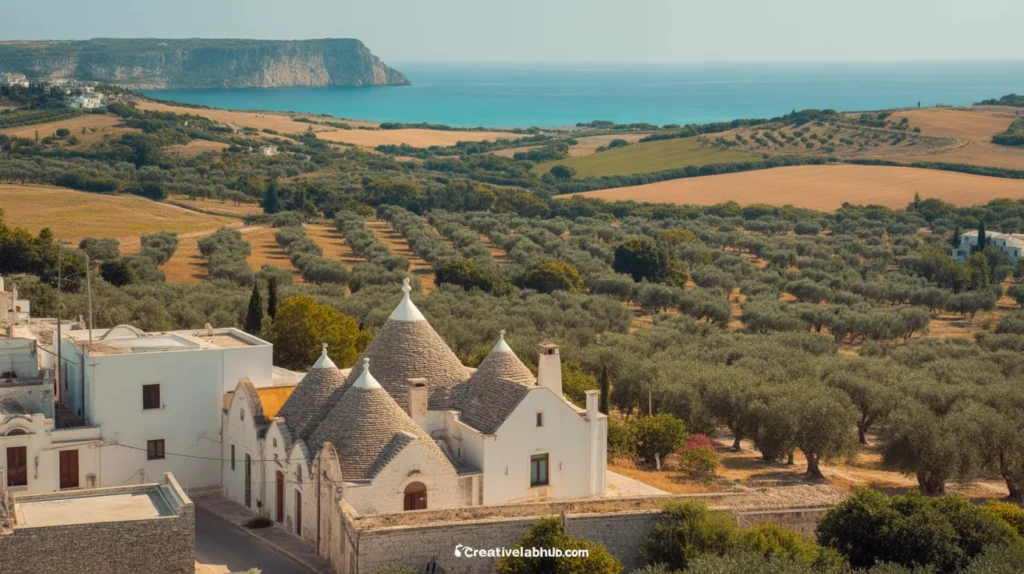
A trullo (plural: trulli) is a traditional Pugliese dry-stone dwelling with a conical roof. They are unique to the Valle d’Itria region and are a UNESCO World Heritage Site. Many have been converted into tourist accommodation.
9. Is Puglia Italy expensive?
Compared to Rome, Venice, or the Amalfi Coast, Puglia is noticeably more affordable. You can eat very well for 15 to 25 euros per person at a good local restaurant. Accommodation prices vary widely, from budget B&Bs to luxury masserie.
10. What food is Puglia Italy famous for?
Puglia is famous for orecchiette pasta, burrata, fave e cicoria, olive oil, taralli crackers, pasticciotti pastries, and bold red wines like Primitivo and Negroamaro.
Also read Creativelabhub.com
Email: johanharwen314@gmail.com
Author name: Johan Harwen
Johan Harwen: Johan Harwen is a travel writer and storyteller with over a decade of experience exploring Europe’s lesser-known corners. He has spent extended time living and working in southern Italy, and Puglia holds a particular place in his travel writing. Johan writes with a focus on honest, practical, and human-centered travel content that helps real people plan better trips. His work has appeared in international travel publications and blogs dedicated to slow, meaningful travel. When he is not writing, Johan is usually somewhere between a vineyard and a beach, trying to decide which one to visit first.