


Brown Noise vs White Noise: Understanding the Differences and Benefits 2026
Introduction to Noise Types
Sound is an omnipresent phenomenon, manifesting in various forms and frequencies. Noise refers to any sound that is disruptive or deemed undesirable, and it can be categorized based on the frequency spectra involved. The primary types of noise are typically classified into brown noise vs white noise, each distinguished by their unique sound characteristics and their effects on the auditory experience.
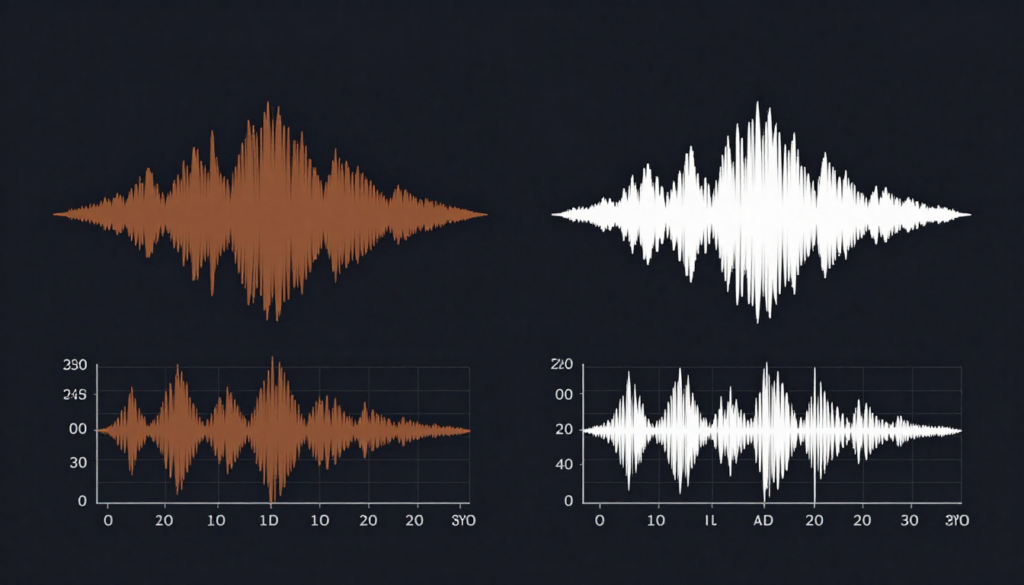
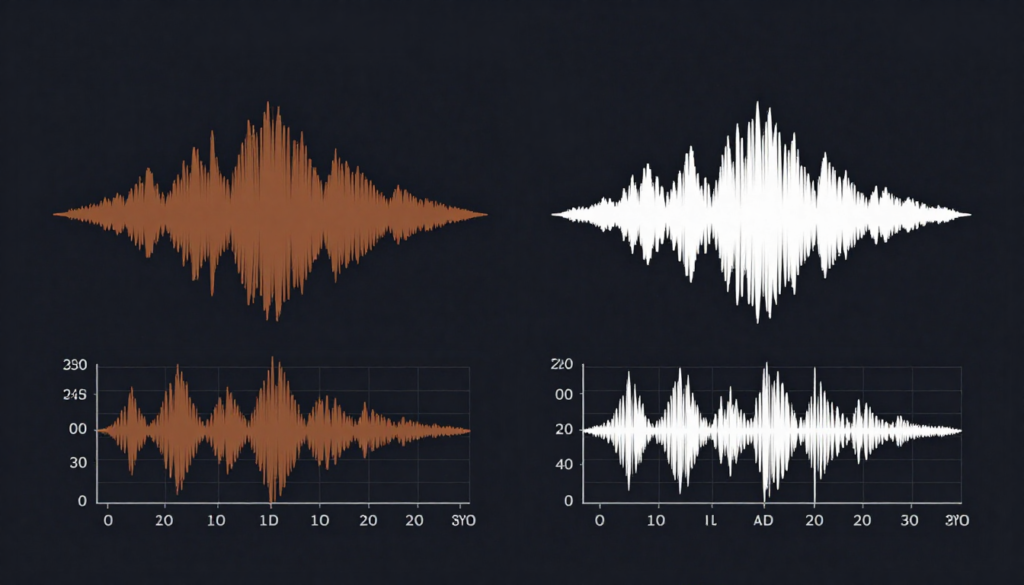
White noise is characterized by a consistent sound spectrum, where all frequencies within the audible range are present at equal intensity. This results in a ‘hissing’ sound that is often compared to that of a radio tuned to an unused station. Due to its broad spectrum, white noise is known for its ability to mask other sounds, making it a popular choice for improving focus and enhancing sleep quality.
In contrast, brown noise, also known as Brownian noise, has a deeper and richer quality, with a lower frequency emphasis compared to white noise. The power of brown noise decreases at higher frequencies, creating a sound that resembles a deep rumble. This type of noise is often likened to the sound of thunder or a distant waterfall, which many people find calming and conducive to relaxation. Brown noise has gained popularity for its soothing properties, making it beneficial for those seeking tranquility in chaotic environments.
The distinction between brown noise vs white noise is essential not only for understanding their auditory features but also for their applications in different settings. As we delve deeper into the subject, we will explore the specific benefits offered by each type of noise, leading to a clearer understanding of their practical use in everyday life.
What is White Noise?
White noise is defined as a sound that contains equal power across all audible frequencies, which means it encompasses the full spectrum of sound frequencies that the human ear can perceive. This characteristic creates a steady, consistent sound that is often likened to the sound of a television or radio tuned to an inactive channel. The concept of white noise can be traced back to early experiments in acoustics and sound engineering, where it was first used to test audio equipment and analyze sound properties.
The broad frequency range of white noise contributes to its unique ability to mask other sounds effectively. This masking effect can aid individuals in various environments, particularly in alleviating distractions and promoting concentration. Many people find white noise beneficial for enhancing their ability to focus while working or studying, as it helps drown out background chatter and other disruptive noises.
In addition to its application for concentration, white noise is commonly utilized as a tool for improving sleep quality. Many individuals struggle with falling or staying asleep due to environmental sounds, such as traffic or sudden noises. By introducing a consistent sound, such as a white noise machine, these unwelcome interruptions can be masked, leading to a more restful sleep experience. The calming effect of white noise undoubtedly plays a significant role in its widespread use in sleep therapies and relaxation techniques.
Ultimately, the versatility of white noise makes it a valuable resource in various fields, including sleep studies, sound therapy, and even in treating conditions like tinnitus, where constant ringing or buzzing in the ears can be alleviated by the steady sound of white noise. Understanding its properties and benefits can assist individuals in deciding whether white noise may be a suitable solution for their needs.
What is Brown Noise?
Brown noise, often referred to as Brownian noise, is a sound signal characterized by its emphasis on lower frequencies. Unlike white noise, which distributes energy evenly across all frequencies, brown noise produces a deeper, more soothing sound profile. The energy in brown noise decreases as frequencies increase, resulting in a richer sound that is reminiscent of a distant waterfall or thunder.
The unique characteristics of brown noise make it particularly effective for promoting relaxation and concentration. Many individuals report that the deeper tones of brown noise can be more calming than the higher frequencies often found in white noise. This calming effect can be beneficial for those looking to reduce stress or enhance their sleeping environment. By masking disruptive external sounds, brown noise creates a more pleasant auditory landscape, which may lead to improved focus and retention during tasks, making it a preferred choice for study and work.
Additionally, the use of brown noise extends beyond personal comfort and into therapeutic applications. Sound therapy practitioners often use brown noise as a tool to aid individuals suffering from anxiety, tinnitus, or sleep disorders, recognizing its ability to foster a soothing atmosphere. The low-frequency emphasis can help in calming the nervous system, allowing individuals to achieve a state of relaxation more easily.
In summary, brown noise is distinct from white noise, focusing on lower frequencies that contribute to its calming effects. Its applications in sound therapy and relaxation strategies highlight its value for those seeking to enhance their auditory environment.
Key Differences Between Brown Noise and White Noise
Brown noise and white noise are both types of sound signals that differ significantly in their frequency ranges and sound profiles. Understanding these differences is essential for determining how they may impact human perception and behavior.
Starting with white noise, it can be characterized as a sound that encompasses all audible frequencies at equal intensity. This results in a consistent and constant sound that resembles a television set tuned to an unused channel or a fan running. Due to this equal distribution of frequencies, white noise can be somewhat harsh on the ears, which might not be conducive for relaxation or sleep for everyone.
On the other hand, brown noise, also known as red noise, emphasizes lower frequencies, producing a sound that is much deeper and softer. It can be likened to the sound of a distant thunderstorm or the rumble of a strong waterfall. This characteristic makes brown noise more soothing for some individuals, often preferred for its calming effects. As such, many people use it to block unwanted sounds while studying or sleeping.
The psychological effects of these two types of noise can also vary substantially. White noise is often used in therapeutic settings to mask other sounds that may cause distraction or anxiety. However, because brown noise is gentler, it is more frequently recommended for individuals who are looking for help with sleep disturbances or relaxation techniques.
In summary, while both brown noise and white noise serve the purpose of masking external sounds, their distinct sound profiles and frequency distributions make them suited for different contexts and personal preferences. Recognizing these key differences can aid individuals in selecting the appropriate type of noise to meet their specific needs.
Benefits of Using White Noise
White noise has gained recognition for its numerous advantages, particularly in promoting sleep, enhancing concentration, and serving as a therapeutic option for tinnitus relief. Many individuals struggle with falling asleep due to distractions in their environment, such as traffic noise or household sounds. White noise, which consists of a consistent sound that covers a wide spectrum of frequencies, can mask these disruptive noises effectively, facilitating a more restful sleep environment.
Research has indicated that utilizing white noise machines or apps can significantly improve sleep quality. A study published in the 2020 edition of the “Journal of Clinical Sleep Medicine” found that participants exposed to white noise had a decreased time to fall asleep and reported more restorative sleep cycles. This consistency can be vital for individuals who experience insomnia or other sleep disorders, making white noise a popular choice for sleep aids.
In addition to aiding sleep, white noise can enhance concentration and focus in work or study environments. The constant, unchanging sound can help in reducing distractions caused by sudden noises, thereby improving overall productivity. Several users have reported increased performance in tasks requiring sustained attention when background white noise is present. In educational settings, students with attention disorders have particularly noted the benefits of this type of auditory background.
Moreover, white noise has been identified as a helpful tool for individuals suffering from tinnitus, a condition characterized by a ringing or buzzing in the ears. For many, white noise can serve to mask the internal sounds, providing temporary relief and enabling them to focus better on daily activities. Many audiology professionals advocate for the use of white noise as part of a comprehensive approach to tinnitus management, underlining its therapeutic potential.
In conclusion, the benefits of white noise are well-documented and diverse, making it a valuable tool for sleep enhancement, concentration improvement, and tinnitus relief. As its popularity continues to rise, many individuals are discovering the positive impact of white noise in their lives.
Benefits of Using Brown Noise
Brown noise, characterized by its deeper frequency range when compared to white noise, offers several distinct advantages that contribute to its popularity in enhancing overall well-being. One of the primary benefits of brown noise is its ability to create a calming environment. With its more soothing, lower frequencies, it effectively masks distracting background sounds, making it an ideal auditory backdrop for relaxation or concentration. This reduction of intrusive noise can help decrease anxiety levels, allowing individuals to focus better on tasks or unwind after a long day.
Moreover, brown noise has been found to be particularly beneficial in promoting deep sleep. Several studies suggest that consistent exposure to brown noise can lead to longer sleep durations and improved overall sleep quality. Its gentle sound frequency resembles natural brownian motion, reminiscent of sounds found in nature, such as the rustling of leaves or distant thunder. This connection to natural auditory experiences can further aid in reducing stress and creating a sleep-conducive atmosphere.
Furthermore, brown noise has been a popular choice in various relaxation techniques, such as meditation and yoga. By integrating brown noise into these practices, individuals may find it easier to reach a meditative state and enhance their focus on breathing and mindfulness. The soothing nature of brown noise can help drown out intrusive thoughts, allowing practitioners to enjoy a more immersive experience.
Anecdotal evidence supports these benefits, with many users reporting enhanced relaxation and improved sleep patterns after incorporating brown noise into their nightly routines. Overall, the advantages of brown noise, from fostering a tranquil atmosphere to aiding sleep and relaxation, underscore its effectiveness as a valuable tool in the wellness toolkit.
Practical Applications of Brown and White Noise
Understanding the practical applications of brown noise and white noise is essential for those seeking to improve their environments, whether in workplaces, homes, or for personal relaxation. Each type of noise serves its purpose and can be utilized effectively based on individual preferences and specific situations.
In workplace settings, brown noise may be particularly beneficial due to its deep sound profile, which can aid in masking distracting background noises, thereby enhancing concentration levels. This type of noise may be especially helpful in open office spaces where conversations or computer sounds can be intrusive. Workers can incorporate brown noise into their daily routine through dedicated sound machines or applications that cater to their audio preferences.
Conversely, white noise is often utilized in settings requiring a neutral sound environment, such as during client meetings or collaborative projects. It has a broader frequency spectrum, which can efficiently mask sudden disruptions, making it suitable for promoting a sense of calm and focus. Many find that using white noise machines or audio apps helps maintain productivity without becoming a source of distraction.
At home, both brown and white noise can create soothing backgrounds for various activities. For example, parents often use white noise to lull infants to sleep by providing consistent sound that drowns out abrupt noises. Similarly, brown noise has gained popularity among those who seek relaxation, as it can create a comforting soundscape ideal for evening routines, meditation, or sleep.
Individuals can easily access brown and white noise through various platforms by downloading specialized apps or utilizing devices like sound machines. Additionally, DIY methods, such as recording natural sounds like thunder or ocean waves, can also produce effective brown noise solutions tailored for personal preference. This adaptability makes both types of noise practical in everyday life, enhancing not only comfort but also productivity and relaxation.
Which Noise Should You Choose?
When deciding between brown noise and white noise, it’s essential to consider your personal needs and preferences. The choice may significantly impact your overall comfort, relaxation, and productivity levels. Understanding the distinctions between these two sound types can aid you in making an informed decision.
Firstly, evaluate the activities during which you plan to use the noise. Brown noise, characterized by its deeper, bass-heavy sound, can be particularly beneficial during moments of relaxation, meditation, or focus. If you find that lower frequencies, such as those produced by brown noise, help you concentrate better or create a soothing environment, it might be the more suitable option for you.
Conversely, white noise consists of consistent sounds across all frequencies and may be advantageous for sleep or masking distracting noises in your environment. Individuals who experience sound sensitivity or are easily distracted might prefer white noise as it provides a more uniform auditory backdrop, promoting a sense of calm and focus.
Next, take into account your sleeping habits. Some individuals may find brown noise more conducive to sleep due to its ability to minimize abrupt fluctuations in sound, while others may prefer white noise for its broad spectrum of frequencies. Experimenting with both sound types during your typical bedtime routine can help you determine which one creates the most favorable sleeping environment for you.
Lastly, consider the potential impact of each noise type on your mental state. Brown noise is often perceived as less jarring, making it a popular choice for relaxation. In contrast, white noise may be more effective for blocking out external disturbances. Both types have their merits, and your choice may ultimately come down to how they make you feel during various activities. By reflecting on these factors, you can make a more thoughtful choice between brown noise and white noise tailored to your life.
Conclusion and Final Thoughts
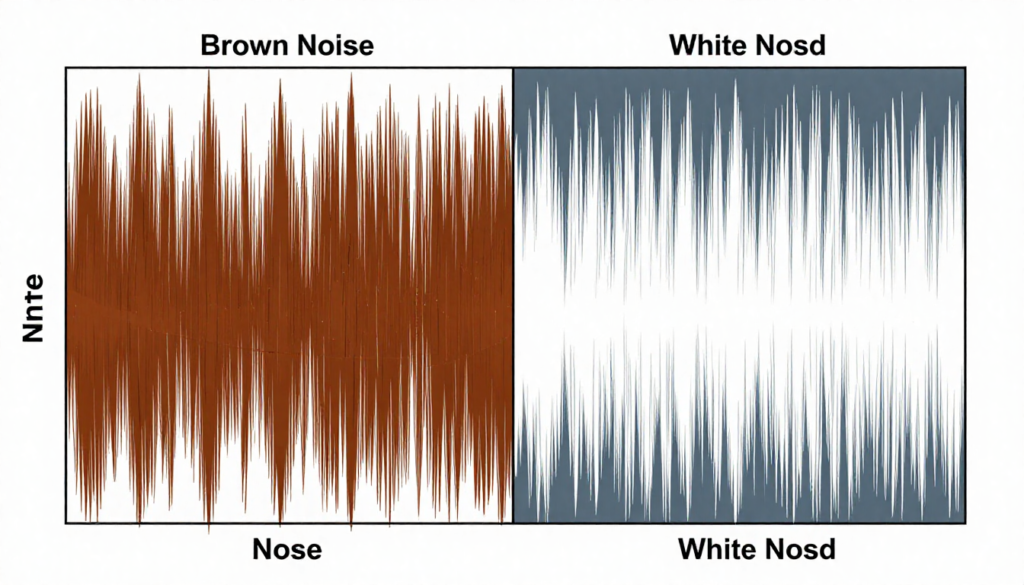
In exploring the differences and benefits of brown noise vs white noise, we have identified key characteristics that set these two types of sound apart. Brown noise produces a deeper tone that resonates with lower frequencies, while white noise encompasses a broader frequency range, creating a flatter sound profile. These distinct characteristics not only influence sound preferences but have also been associated with various benefits such as improved relaxation, focus, and sleep.
As the findings indicate, individuals may respond differently to these noise types. Those who find it challenging to concentrate may benefit from the soothing properties of brown noise, which can mask distracting sounds more effectively than white noise. Conversely, white noise may serve well for individuals seeking a more balanced sound that encompasses a wider auditory spectrum, making it suitable in environments with fluctuating background noise.
Ultimately, the choice between brown noise and white noise is subjective and may vary based on personal preferences and the specific context in which the sound is used. Experimentation is encouraged, as listening to various sound profiles can aid individuals in recognizing what works best for relaxation, focus during work or study, and improving sleep quality. By trying out both brown and white noise, listeners can develop a tailored approach that enhances their daily lives.
In essence, whether opting for the comforting depth of brown noise or the consistent sound of white noise, understanding their differences enables a more informed choice. This exploration underlines the importance of soundscapes in our everyday activities and invites readers to incorporate these auditory tools into their routines for improved well-being.
Also Read : Magic Cross Piercing

Related Posts

The Thrilling Sunrisers Hyderabad vs Rajasthan Royals Timeline You Must Know In 2026

Detroit Tigers vs Cleveland Guardians Match Player Stats: Shocking Battles and Brilliant Performances You Must Know In 2026