
The Surprisingly Wonderful World of Construction Paper You Need to Explore 2026
Introduction
There’s something almost magical about a fresh stack of construction paper. You pick up a bright red sheet, and suddenly your brain starts buzzing with ideas. Maybe it’s a Valentine’s Day card, a paper chain, a dinosaur cut-out, or just something you haven’t thought of yet. Construction paper has that effect on people — young and old alike.
Construction paper is one of those humble supplies that never gets the credit it deserves. It sits quietly in classrooms, craft rooms, and junk drawers around the world. Yet it’s behind millions of creative projects every single year. Whether you’re a teacher, a parent, an artist, or just someone who loves making things, this article is for you.
We’ll cover the history of construction paper, how it’s made, the different types available, its best uses, and some smart tips to get the most out of every sheet. Let’s dive in.
What Is Construction Paper, Really?
Construction paper is a thick, colored paper made from wood pulp. It’s heavier than regular printer paper but lighter than cardstock. That sweet spot in weight is exactly what makes it so useful. It holds its shape when you fold it, cuts cleanly with scissors, and absorbs paint and glue without falling apart immediately.
Most construction paper sheets measure 9×12 inches or 12×18 inches. You’ll also find smaller and larger sizes depending on the brand. The paper typically has a slightly textured surface on one side and a smoother side on the other. That texture helps paint and markers grip the surface better.
One thing worth knowing: construction paper is not the most lightfast paper out there. It fades when exposed to sunlight over time. So if you’re making something you want to last, keep that in mind. For short-term projects, though, it’s absolutely perfect.
A Brief History of Construction Paper
Construction paper has been around for well over a century. Its roots go back to the late 1800s and early 1900s, when educators in the United States started pushing for more hands-on learning in schools. The progressive education movement — led by thinkers like John Dewey — believed children learned better by doing, not just listening.
That shift created demand for affordable, colorful materials kids could actually work with. Construction paper answered that call perfectly. It was cheap to produce, easy to cut and fold, and came in enough colors to spark creativity.
By the mid-20th century, construction paper was a staple in nearly every American classroom. Brands like Pacon and Crayola helped standardize what we know today as the classic 48-count multi-color pack. If you grew up in the United States, there’s a good chance a pack of construction paper was part of your back-to-school shopping list every fall.
How Construction Paper Is Made
The manufacturing process for construction paper starts with wood pulp, the same raw material used in most paper products. The pulp is mixed with water and broken down into fibers. Dyes are added at this stage to create the wide range of colors you see on store shelves.
The pulp mixture is then pressed through rollers to flatten it into sheets. Heat is applied to dry the paper quickly. The finished sheets are cut to standard sizes and packaged for sale.
Because construction paper uses dyes rather than pigments (which are more stable), the colors can fade with prolonged sun exposure. This is a known limitation of the product, not a defect. If you’ve ever noticed that a red sheet turns pink after sitting near a window, now you know why.
Some manufacturers have started producing “fade-resistant” or “premium” construction paper with better dye quality. These versions hold their color longer, making them a better choice for projects meant to be displayed.
Types of Construction Paper You Should Know
Not all construction paper is the same. Here’s a breakdown of the main types you’ll come across.
Standard Construction Paper
This is the classic version you find in most stores. It comes in packs of 48 to 200 sheets in a variety of colors. It’s affordable and works well for general crafts, school projects, and everyday use. The weight is typically around 76 lb (about 130 gsm).
Heavyweight Construction Paper
This version is thicker and more durable. It handles wet materials like watercolor paint or heavy glue better than the standard version. Teachers and professional crafters tend to prefer it for more ambitious projects.
Fade-Resistant Construction Paper
As mentioned earlier, this type uses higher-quality dyes that resist fading. It’s a smart pick if you’re making bulletin board decorations, art displays, or anything that will be up for weeks or months.
Recycled Construction Paper
Several brands now offer construction paper made from post-consumer recycled materials. If environmental sustainability matters to you — and it should — this is a great option. It performs almost identically to standard construction paper.
Mini and Large Format Construction Paper
Beyond the standard 9×12 and 12×18 sizes, you can find construction paper in smaller pads (great for kids’ craft kits) and large 18×24 sheets for bigger projects. Some art supply stores also carry rolls of construction paper for murals and large-scale work.
What Can You Make with Construction Paper?
This is where construction paper really shines. The list of things you can create is almost endless. Here are some of the most popular uses.
School Projects and Classroom Activities
Construction paper is the backbone of classroom art. Kids use it for everything from book reports with illustrated covers to science project displays. Teachers use it to create bulletin boards, borders, labels, and visual aids. It’s cost-effective, colorful, and easy to work with even for small hands.
Holiday and Seasonal Crafts
Think paper pumpkins in October, snowflakes in December, hearts in February, and shamrocks in March. Construction paper makes seasonal decorating accessible and fun. You don’t need any special skills — just scissors, glue, and a little imagination.
Paper Folding and Origami
While traditional origami uses thinner paper, construction paper works great for beginner origami and paper folding projects. You can make boats, hats, fortune tellers, and simple animals. The thickness actually helps younger kids manage the folds better.
Collage and Mixed Media Art
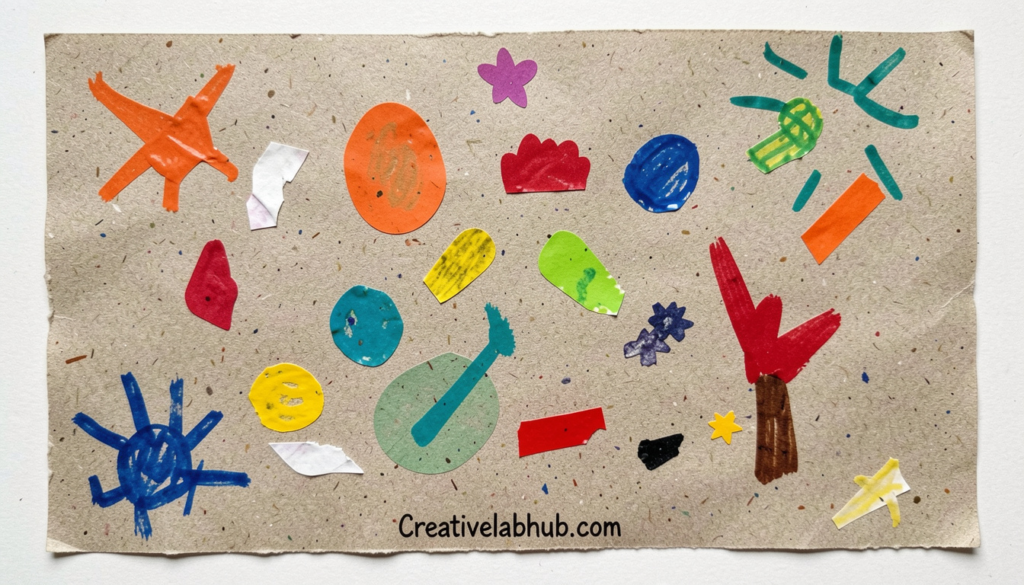
Construction paper is a collage artist’s best friend. You can tear it, cut it into shapes, layer it, and combine it with other materials like fabric, yarn, and magazine clippings. Many elementary art curriculums are built around construction paper collage techniques.
Cards and Gift Wrapping
Homemade cards made from construction paper feel personal in a way printed cards just don’t. You can fold a sheet in half, decorate it with markers or paint, and have a heartfelt card in minutes. Construction paper also works as gift wrap for small items or as part of a decorative package.
Party Decorations
Paper chains, banners, party hats, table confetti, garlands — construction paper handles all of these beautifully. It’s easy to cut into any shape you need, and the wide color range means you can match any party theme.
Tips for Working with Construction Paper Like a Pro
Even something as simple as construction paper has tricks that can make your results much better. Here are a few I’ve picked up over the years.
Score before folding. If you want a crisp, clean fold, run the tip of a butter knife or a bone folder lightly along the fold line first. This compresses the fibers and gives you a much neater edge.
Use the right adhesive. White school glue works fine for layering paper on paper. But if you’re attaching heavier objects or need a faster bond, a glue stick or double-sided tape is better. For 3D projects, a low-temp hot glue gun is your best option.
Cut against the grain for smoother edges. Construction paper has a natural grain direction. Try cutting in different directions with a scrap piece to find which way gives you the cleanest cut.
Store it flat. Construction paper that’s been rolled or stuffed into a bag can develop creases and curls that are hard to remove. Store it flat in a drawer or portfolio folder to keep it in good condition.
Layer colors strategically. Lighter colors show through darker ones less. If you’re layering, put your darkest colors on the bottom and lighter ones on top for better visibility.
Construction Paper in Education: Why It Still Matters
In an age of tablets and digital tools, you might wonder whether construction paper still has a place in education. The answer is absolutely yes — and there’s research to support it.
Hands-on art activities like cutting, gluing, and shaping paper develop fine motor skills in young children. According to occupational therapists, these skills are directly linked to better handwriting and academic performance later on. Using scissors and manipulating small pieces of construction paper builds the hand strength and coordination kids need for writing.
Beyond motor skills, art with construction paper encourages creativity, problem-solving, and self-expression. When a child decides how to arrange colors or designs a card for a parent, they’re making real decisions and developing confidence in their own ideas.
Construction paper is also one of the most inclusive art materials available. It doesn’t require any prior skill. Anyone can pick up a sheet and start creating. That low barrier to entry makes it powerful in diverse classrooms where students have very different ability levels.
Common Mistakes People Make with Construction Paper
Even experienced crafters run into trouble sometimes. Here are a few mistakes worth avoiding.
Leaving projects in direct sunlight is the most common one. That vibrant red will turn pink faster than you’d expect. If you’re making something to display, keep it out of windows or use fade-resistant paper.
Using too much liquid is another frequent issue. Construction paper can handle a little moisture, but if you soak it with watercolor or watery glue, it will warp and buckle. Use thicker paint, work quickly, and let things dry flat under a book if needed.
Rushing the drying process is also a problem. If you try to stack or fold construction paper before the glue or paint is fully dry, you’ll end up with stuck sheets or smeared work. Patience here really pays off.
Eco-Friendly Alternatives and Sustainability
If you’re conscious about paper consumption — and a lot of people are these days — there are some good options. As mentioned, recycled construction paper is widely available and performs just as well as standard versions.
You can also reduce waste by saving scraps. Small pieces of construction paper are perfect for mosaic projects, confetti, and texture exercises. Instead of throwing away odd-shaped leftover pieces, keep them in a scrap bin. Kids especially love rummaging through a scrap bin to find just the right shape or color.
Some crafters also use construction paper on both sides, especially for rough drafts or practice cuts. The back of a sheet is perfectly usable even if it’s slightly different in texture.
Where to Buy Construction Paper
Construction paper is available almost everywhere — big box stores, office supply shops, art supply stores, dollar stores, and online retailers. For bulk buying, Amazon, Walmart, and Costco often have the best prices per sheet.
Pacon is probably the most well-known brand in the classroom market. Their Tru-Ray line is particularly popular because it’s thicker and more fade-resistant than standard construction paper. Fiskars, Dixon, and Crayola also make solid products worth checking out.
If you’re a teacher buying for a whole class, look for bulk packs of 500 or more sheets. Many school supply websites also offer educator discounts that can significantly reduce the cost.
Conclusion
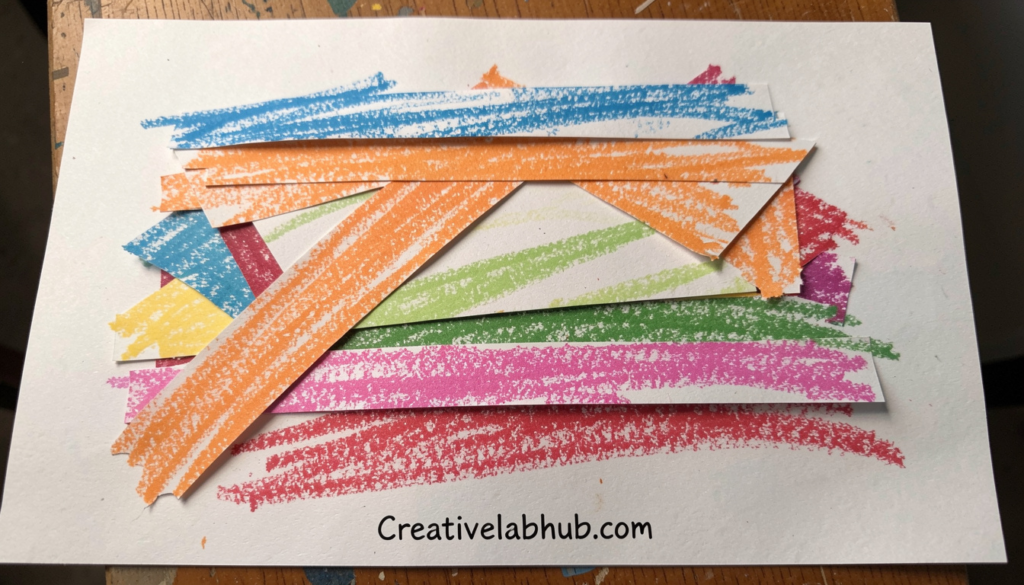
Construction paper has been sparking creativity for well over a century — and honestly, it’s not going anywhere. It’s affordable, versatile, and accessible to everyone from a four-year-old cutting their first shapes to an adult making handmade cards for loved ones. There’s something deeply satisfying about working with your hands and making something colorful out of a simple sheet of paper.
Whether you’re using it in a classroom, at home, or for a creative project, construction paper delivers more value than its modest price tag suggests. It teaches fine motor skills, encourages creative thinking, and makes art approachable for absolutely anyone.
So next time you walk past a pack of construction paper at the store, pick it up. You might not have a specific project in mind yet — but I promise, one will come to you. What’s the most creative thing you’ve ever made with construction paper? Share it in the comments — I’d love to hear.
Frequently Asked Questions About Construction Paper
1. What is construction paper used for? Construction paper is used for school projects, holiday crafts, origami, collages, greeting cards, party decorations, and classroom activities. It’s one of the most versatile and affordable craft materials available.
2. Is construction paper the same as cardstock? No. Construction paper is lighter and more flexible than cardstock. Cardstock is thicker and stiffer, making it better for items that need to stand on their own. Construction paper is better suited for folding, cutting, and layering.
3. Why does construction paper fade? Construction paper uses dyes rather than pigments, which break down when exposed to ultraviolet light. Keeping projects out of direct sunlight slows fading significantly. Fade-resistant construction paper uses more stable dyes to combat this issue.
4. Can you use construction paper for watercolor painting? You can, but it’s not ideal. Construction paper absorbs moisture unevenly and can buckle with too much water. Use thicker, minimal layers of paint and let it dry flat. Watercolor paper is a better choice for serious painting projects.
5. What size does construction paper come in? The most common sizes are 9×12 inches and 12×18 inches. You can also find smaller pads and large format sheets up to 18×24 inches depending on the brand and store.
6. Is construction paper recyclable? Yes, most construction paper is recyclable through standard paper recycling. Remove any tape, glue, or non-paper materials before recycling. You can also compost plain construction paper without synthetic coatings.
7. What’s the best brand of construction paper? Pacon’s Tru-Ray line is widely considered the best for classroom and craft use due to its thickness and fade resistance. Crayola and Fiskars are also reliable, especially for younger children.
8. How do you keep construction paper from fading? Store it away from windows and direct sunlight. Use fade-resistant construction paper for long-term displays. Laminating finished projects also helps preserve colors significantly longer.
9. What age is construction paper appropriate for? Construction paper is suitable for all ages. Toddlers as young as two can start tearing and gluing pieces with supervision. Children around four and five begin cutting with safety scissors. Teens and adults use it for more detailed art and craft projects.
10. Can construction paper be used with a printer? Most standard printers can handle construction paper if it’s not too thick. Test with a single sheet first. Very thick or textured construction paper may jam some printers, so check your printer’s paper weight specifications before loading a full stack.
Also Read: Philadelphia Eagles vs Kansas City Chiefs Match Player Stats
| Author: Johan Harwen |
| E-mail: johanharwen314@gmail.com |
| Bio: Johan Harwen is a passionate tourist who has explored countless destinations across the globe. With an eye for hidden gems and local cultures, he turns every journey into an unforgettable story worth sharing. |