

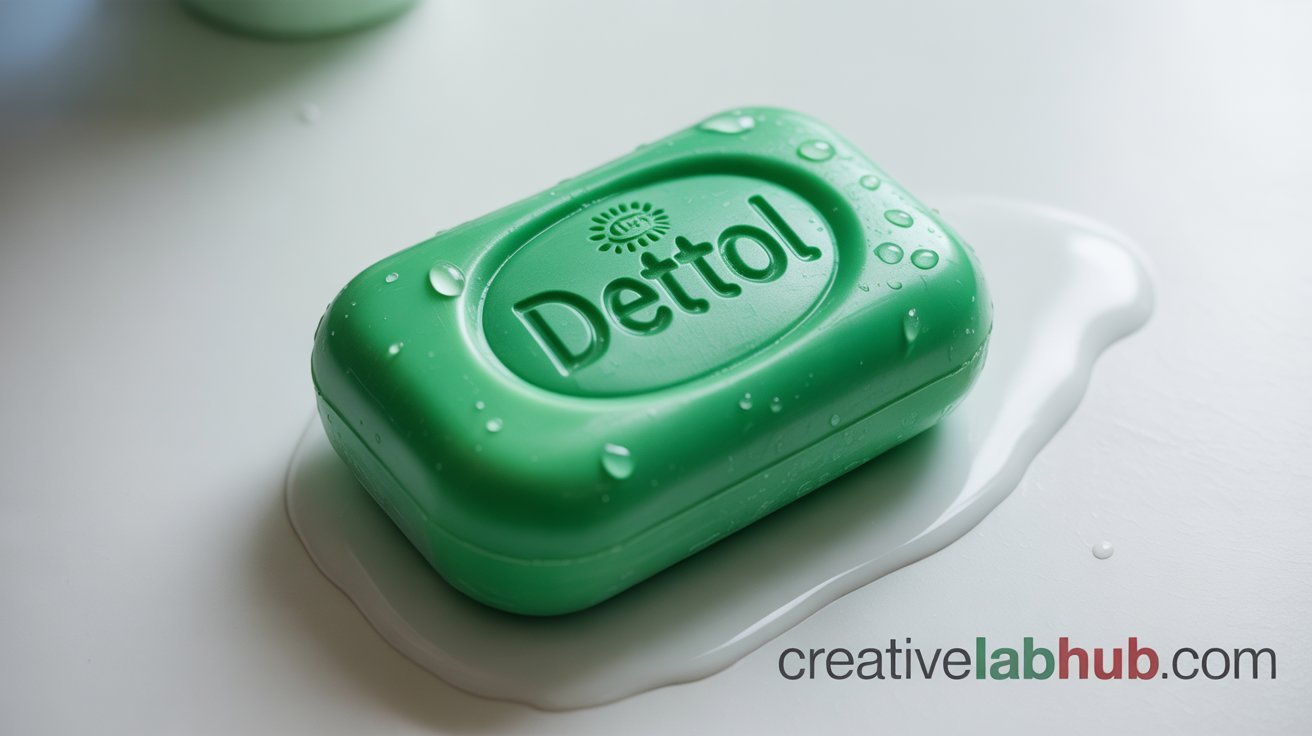
7 Proven Dettol Soap Benefits That Transform Your Skin in 2026
Introduction
Have you ever wondered why Dettol soap has been a household name for generations?
There is something quietly powerful about a product that earns a permanent spot in your home without ever needing to advertise itself. Dettol soap was that product in my household. It sat by the sink without fanfare, used without question, trusted without explanation. Only later did I understand why.
Dettol soap is not simply another bar on a crowded shelf. It is a clinically formulated antibacterial cleanser that has earned the loyalty of families across generations and continents. In a world where awareness around hygiene, drug-resistant bacteria, and everyday infection risk continues to grow, the soap you choose to wash your hands with matters more than most people realize.
This guide gives you the complete picture. You will learn exactly what goes into Dettol soap, how its germ-fighting formula actually works, what separates it from standard cleansing bars, and which formulation suits your skin type and lifestyle best. You will also get honest answers to the questions people ask most often, including whether it is safe for daily use and how to get the most out of every wash.
By the time you finish reading, you will not just know what Dettol soap does. You will understand why it continues to be one of the most trusted names in household hygiene worldwide, and whether it deserves a permanent place at your own sink.
What Makes Dettol Soap Different from Regular Soaps?
You might think all soaps are created equal. They’re not.
Dettol soap stands apart because of its antibacterial formulation. While regular soaps primarily remove dirt and oil, Dettol goes several steps further by actively killing germs and bacteria on your skin.
The Science Behind the Protection
The key ingredient in Dettol soap is Chloroxylenol (PCMX). This powerful antiseptic agent has been used in healthcare settings for years. It works by disrupting the cell walls of bacteria, effectively neutralizing them before they can cause infections.
Here’s what sets it apart:
- Kills 99.9% of germs within seconds of washing
- Provides protection against a broad spectrum of bacteria and viruses
- Contains moisturizing agents to prevent skin dryness
- Clinically tested and dermatologically approved
- Trusted by healthcare professionals worldwide
Regular soaps clean your skin surface. Dettol soap protects it.
When Protection Matters Most
We’re constantly exposed to germs—on door handles, phones, public transport, and even money. Your hands touch countless contaminated surfaces daily. Using Dettol soap creates a protective barrier that regular soaps simply can’t provide.
Think about it. When you come home from outside, regular soap washes away visible dirt. But what about invisible bacteria? That’s where antibacterial protection becomes crucial.
The Complete Range of Dettol Soap Variants
Dettol understands that one size doesn’t fit all. That’s why they’ve created multiple variants to suit different skin types and preferences.
Original Dettol Soap
This is the classic amber bar that started it all. It contains the signature Dettol fragrance and offers maximum antibacterial protection. I find this variant particularly useful during flu season or when someone in the family is unwell.
Best for: Maximum germ protection, post-outdoor activities, healthcare workers
Dettol Skincare Soap
Who says antibacterial soap can’t be gentle?
This variant combines germ protection with moisturizing ingredients like glycerin and natural oils. Your skin feels soft and hydrated, not tight or dry.
Best for: Daily use, sensitive skin, people in dry climates
Dettol Cool Soap
Need a refreshing cleanse? This variant contains menthol that leaves your skin feeling cool and energized. Perfect for hot summer days or after a workout.
Best for: Hot weather, post-exercise, refreshing morning showers
Dettol Fresh Soap
This variant focuses on odor elimination while providing antibacterial protection. It contains citrus extracts that leave you feeling fresh throughout the day.
Best for: Active lifestyles, combating body odor, staying fresh longer
Dettol Aloe Vera Soap
Combining the soothing properties of aloe vera with antibacterial protection, this variant is my personal favorite for daily use. It’s gentle yet effective.
Best for: Dry or irritated skin, daily family use, year-round protection
Key Benefits of Using Dettol Soap Daily

Let’s talk about why switching to Dettol soap might be one of the best decisions for your family’s health.
1. Superior Germ Protection
Clinical studies show that Dettol soap eliminates 99.9% of germs. This includes common bacteria like E. coli, Staphylococcus, and Salmonella. These aren’t just numbers—this protection translates to fewer sick days and better overall health.
2. Prevents Infections and Skin Conditions
Regular use helps prevent:
- Minor skin infections
- Body acne and pimples
- Fungal infections
- Bacterial dermatitis
- Cross-contamination between family members
I’ve noticed significantly fewer skin breakouts since switching to antibacterial soap for body cleansing.
3. Ideal for Wound Care
Got a minor cut or scrape? Washing the area with Dettol soap helps prevent infection. The antiseptic properties create an unfavorable environment for bacteria to multiply.
Always remember: For deeper wounds, seek medical attention. Dettol soap is for minor injuries only.
4. Odor Control
Bacteria cause body odor. By eliminating odor-causing bacteria, Dettol soap keeps you feeling fresh longer than regular soaps. This is especially helpful during summer or after physical activities.
5. Family-Friendly Protection
When one family member falls sick, germs spread quickly. Using antibacterial soap creates a protective barrier that reduces transmission. Think of it as a simple yet effective defense mechanism.
6. Suitable for All Ages
From children to elderly family members, Dettol soap is formulated to be safe for everyone. The gentle variants work well even for kids’ delicate skin.
How to Use Dettol Soap Effectively
Getting the most out of your Dettol soap isn’t complicated. But doing it right makes all the difference.
The Proper Handwashing Technique
Here’s the method recommended by healthcare professionals:
- Wet your hands thoroughly with clean, running water
- Lather up by rubbing the soap between your palms
- Scrub all surfaces – palms, backs, between fingers, under nails
- Continue for 20 seconds – hum “Happy Birthday” twice for timing
- Rinse completely under running water
- Dry with a clean towel or air dry
This technique ensures maximum germ elimination.
Full Body Cleansing
For shower or bath use:
- Create a rich lather with water
- Apply gently to wet skin in circular motions
- Pay special attention to areas prone to bacteria (underarms, feet, groin)
- Rinse thoroughly
- Follow with moisturizer if you have dry skin
Key Moments for Using Dettol Soap
Certain situations demand antibacterial protection:
- After using the restroom – non-negotiable
- Before preparing or eating food – prevents foodborne illnesses
- After touching garbage – high contamination risk
- After handling raw meat – eliminates harmful bacteria
- After touching pets – animals carry different bacteria
- After coming home from outside – removes accumulated germs
- Before and after treating wounds – prevents infection
- After changing diapers – obvious hygiene necessity
Is Dettol Soap Safe for Daily Use?
This question comes up constantly. Let me address it clearly.
The Balanced Approach
Yes, Dettol soap is safe for daily use when used appropriately. However, understanding your skin type is important.
For normal to oily skin: Daily use typically causes no issues. The antibacterial properties actually help control excess oil and prevent acne.
For dry or sensitive skin: Consider alternating between Dettol Skincare or Aloe Vera variants and a gentle moisturizing soap. Or use Dettol primarily for hands and a gentler option for body washing.
What Dermatologists Say
Most dermatologists agree that antibacterial soaps are beneficial when:
- Used correctly (proper technique and duration)
- Rinsed thoroughly
- Followed by appropriate moisturization
- Not overused on already compromised skin
Avoiding Overuse
Can you overdo antibacterial soap? Potentially, yes.
Excessive washing strips your skin’s natural oils. This can lead to:
- Dryness and flaking
- Irritation or redness
- Disrupted skin barrier function
- Increased sensitivity
The sweet spot? Two to three full showers daily maximum, with focused handwashing as needed.
Maintaining Skin Health
If you use Dettol soap daily:
- Choose the right variant for your skin type
- Limit shower time to 10-15 minutes
- Use lukewarm water (not hot)
- Apply moisturizer within 3 minutes of bathing
- Stay hydrated internally
I follow this routine and haven’t experienced any skin issues despite daily use.
Dettol Soap vs. Hand Sanitizers: Which is Better?

With hand sanitizers everywhere, you might wonder if soap is still necessary.
The Soap Advantage
Dettol soap and water physically remove germs from your skin. Sanitizers kill germs but leave dead bacteria and dirt behind. When hands are visibly dirty or greasy, soap wins every time.
Soap also:
- Removes more types of germs
- Eliminates chemicals and pesticides
- Costs less per use
- Doesn’t create resistant bacteria
- Works better for overall cleanliness
When Sanitizers Make Sense
Hand sanitizers shine when:
- Water isn’t available
- You need quick disinfection
- You’re traveling or in public spaces
- Touching clean hands to avoid contamination
The Ideal Strategy
Use both strategically. Dettol soap for thorough cleaning when possible. Hand sanitizer for convenient interim protection. They complement each other rather than compete.
Understanding the Ingredients in Dettol Soap
Transparency matters when you’re putting something on your skin daily.
Primary Active Ingredient
Chloroxylenol (PCMX) – Typically 0.5-1% concentration. This is the antibacterial powerhouse that kills germs without being overly harsh.
Supporting Ingredients
- Sodium palmate – Creates the soap base
- Glycerin – Moisturizes and softens skin
- Fragrance – The distinctive Dettol scent
- Pine oil – Additional antiseptic properties
- Titanium dioxide – Gives opacity and slight sun protection
- Water – Solvent and base
What’s NOT in Dettol Soap
Equally important is what’s excluded:
- No triclosan (a controversial antibacterial agent)
- No harsh sulfates in gentle variants
- No animal-derived ingredients in certain variants
- No harmful parabens in newer formulations
Safety Profile
The ingredients in Dettol soap have decades of safety data. The concentration of active ingredients is optimized for effectiveness without causing harm when used as directed.
Common Myths About Dettol Soap Debunked
Let’s clear up some misconceptions.
Myth 1: “Antibacterial Soap Creates Resistant Bacteria”
Reality: This concern primarily applies to antibiotics, not antiseptics like chloroxylenol. The mechanism is different. Dettol soap’s antiseptic disrupts bacterial cell walls—a physical action that bacteria can’t easily adapt to.
Myth 2: “It’s Too Harsh for Regular Use”
Reality: Formulations have evolved significantly. Modern Dettol soap variants include moisturizers and are pH-balanced. Many people use them daily without issues.
Myth 3: “Regular Soap Works Just as Well”
Reality: Regular soap cleans but doesn’t kill bacteria. In high-risk situations (healthcare, food preparation, illness), antibacterial protection matters.
Myth 4: “It Kills Good Bacteria Too”
Reality: Your skin’s microbiome exists in deeper layers. Surface washing with soap doesn’t eliminate beneficial bacteria that live in protected areas. Your skin’s ecosystem remains intact.
Myth 5: “More Expensive Means Better”
Reality: Price doesn’t always equal quality. Dettol soap offers medical-grade protection at affordable prices. Some luxury soaps provide fragrance and packaging but less actual protection.
Tips for Choosing the Right Dettol Soap Variant
With multiple options, selecting the right one matters.
Consider Your Skin Type
Oily/Acne-prone skin: Original or Fresh variants work well. The antibacterial properties help control breakouts.
Dry skin: Opt for Skincare or Aloe Vera variants. Extra moisturizers prevent tightness.
Sensitive skin: Start with Skincare variant. Patch test on your inner arm first.
Normal skin: Any variant works. Rotate based on season or preference.
Think About Your Environment
Hot, humid climates: Cool or Fresh variants provide comfort and odor control.
Cold, dry climates: Skincare variant prevents excessive drying.
Pollution-heavy areas: Original variant for maximum protection against environmental contaminants.
Match Your Lifestyle
Healthcare workers or frequent travelers: Original for maximum protection.
Gym-goers: Cool variant for post-workout freshness.
Office workers: Any gentle variant for daily maintenance.
Parents with young kids: Skincare or Aloe variants are family-friendly.
Budget Considerations
All Dettol soap variants are reasonably priced. Buy larger bars or multi-packs for better value. The protection you get far outweighs the minimal cost difference between variants.
Storing and Maximizing Your Dettol Soap’s Lifespan
Proper storage extends your soap’s effectiveness and lifespan.
Keep It Dry
Soap sitting in water dissolves quickly and becomes mushy. Use a soap dish with drainage holes. After each use, place the bar where air can circulate around it.
Cool, Dry Location
Heat and humidity accelerate soap deterioration. Store unused bars in a cool cupboard, not directly under bathroom lights or near hot water pipes.
Avoid Direct Sunlight
UV rays can degrade the antibacterial ingredients in Dettol soap. Keep it away from windows.
Cut Larger Bars
If you bought a big bar, consider cutting it into smaller pieces. Use one piece while keeping others pristine until needed. This prevents the entire bar from getting repeatedly wet.
Check Expiration Dates
Yes, soap expires. The antibacterial effectiveness decreases over time. Most Dettol soap bars last 2-3 years when stored properly. Check manufacturing dates and use accordingly.
Environmental Considerations and Sustainability

Conscious consumers care about environmental impact.
Biodegradability
The good news? Dettol soap is biodegradable. Unlike some antibacterial products with persistent chemicals, it breaks down in the environment relatively quickly.
Packaging
Dettol has made strides in reducing plastic packaging. Many bars now come in recyclable cardboard boxes. Look for variants with minimal packaging when possible.
Water Usage
Solid soap generally requires less water than liquid soaps for rinsing. This small difference adds up when multiplied by millions of users.
Making Eco-Friendly Choices
- Buy larger bars to reduce packaging waste
- Use a soap saver bag to utilize every bit
- Recycle cardboard packaging properly
- Consider refillable soap dishes
- Don’t let soap wash down the drain unused
The Bigger Picture
While no product is perfectly eco-friendly, choosing Dettol soap over multiple specialized products (hand soap, body wash, antibacterial spray) actually reduces overall consumption and waste.
Real-World Applications and Success Stories
Let me share some practical scenarios where Dettol soap makes a real difference.
In Healthcare Settings
Nurses and doctors I’ve spoken with consistently mention using antibacterial soap. One nurse shared that since her hospital implemented stricter handwashing protocols with products like Dettol soap, infection rates dropped noticeably.
For Families with Young Children
Parents know how often kids get sick. One friend started using Dettol soap throughout her home when her twins started school. She noticed they caught fewer colds compared to previous years. While not a guarantee, the extra protection helps.
In Food Preparation
Restaurant workers and home cooks benefit from antibacterial protection. Cross-contamination causes foodborne illness. Washing with Dettol soap after handling raw meat adds an important safety layer.
During Illness Outbreaks
When flu season hits or when a family member is sick, antibacterial soap becomes crucial. It helps prevent the entire household from falling ill.
For Pet Owners
Love your pets but concerned about germs? Using Dettol soap after handling animals, cleaning litter boxes, or before eating provides peace of mind.
Cost-Effectiveness: Is Dettol Soap Worth It?
Let’s talk money.
Price Comparison
A bar of Dettol soap typically costs slightly more than regular soap—maybe 20-30% more depending on your location and variant. Seems like a premium, right?
Value Analysis
Consider what you’re getting:
- Medical-grade antibacterial protection
- Prevents illness (saving on medical costs)
- Multi-purpose use (hands, body, minor wound care)
- Long-lasting bars (one bar lasts 3-4 weeks for most people)
- Family protection (reduces spread of illness)
Cost Per Use
When you break it down, each wash costs mere cents. For that price, you’re getting protection that regular soap can’t provide.
Preventing Illness Saves Money
Think about it. One prevented illness saves:
- Doctor visit co-pays
- Medication costs
- Lost work days
- Discomfort and recovery time
Even preventing one or two illnesses annually makes Dettol soap a smart investment.
Where to Find the Best Deals
- Buy multipacks for discounts
- Watch for sales at supermarkets and pharmacies
- Online retailers often offer bulk pricing
- Subscribe to newsletters for coupon codes
Conclusion
Dettol soap has earned its reputation as a trusted antibacterial product for good reason.
Throughout this article, we’ve explored how it differs from regular soap, discovered the various formulations available, and learned proper usage techniques. We’ve addressed safety concerns, debunked common myths, and examined real-world benefits.
The bottom line? If you value hygiene and want reliable protection against germs and bacteria, Dettol soap delivers. It’s not just about cleanliness—it’s about creating a healthier environment for you and your family.
Whether you choose the Original variant for maximum protection, the Skincare version for daily gentleness, or the Cool formula for refreshing cleansing, you’re making a proactive choice for health.
Remember, good hygiene starts with something as simple as the soap you use. In a world where germs are everywhere, having trusted protection within reach makes sense.
What’s your experience with Dettol soap? Have you noticed a difference since switching to antibacterial protection? Share your thoughts and help others make informed decisions about their family’s health.
Stay protected. Stay healthy.
Frequently Asked Questions (FAQs)
1. Can I use Dettol soap on my face daily?
While Dettol soap is safe for skin, facial skin is more delicate. The original variant might be too drying for daily facial use. If you have acne-prone skin, the Skincare or Aloe Vera variants work better. However, dedicated facial cleansers are generally preferable for face washing. Use Dettol soap on your face occasionally when you need extra antibacterial protection.
2. Is Dettol soap safe for babies and children?
Dettol soap is generally safe for children over two years old. For babies and toddlers under two, consult your pediatrician first. Their skin is extremely delicate and requires gentler formulations. The Dettol Skincare variant is the best option for young children if you choose to use it. Always supervise children during washing and ensure thorough rinsing.
3. Does Dettol soap expire, and how can I tell?
Yes, Dettol soap does expire. Most bars have a shelf life of 2-3 years from manufacturing. Check the packaging for the manufacturing date or expiration date. Expired soap may lose its antibacterial effectiveness, change color, develop an off smell, or become rancid. When stored properly in cool, dry conditions, soap maintains its effectiveness throughout its shelf life.
4. Can Dettol soap help with body acne?
Absolutely. Body acne often results from bacteria, sweat, and clogged pores. The antibacterial properties of Dettol soap help eliminate acne-causing bacteria. Use the Original or Fresh variants on affected areas. Create a lather, gently cleanse, leave on for 30 seconds, then rinse thoroughly. Follow with a non-comedogenic moisturizer. Many people notice improvement within 2-3 weeks of consistent use.
5. Is Dettol soap suitable for sensitive skin?
It depends on how sensitive your skin is. The Skincare and Aloe Vera variants are specifically formulated for gentler cleansing and work well for mildly sensitive skin. If you have severely sensitive skin or conditions like eczema, consult a dermatologist first. Always do a patch test on your inner arm before full-body use. If irritation occurs, discontinue use.
6. Can I use Dettol soap for intimate hygiene?
While Dettol soap is effective antibacterial protection, the intimate area has a delicate pH balance. Regular use of antibacterial soap in this area might disrupt natural flora and cause irritation. Use dedicated intimate hygiene products with appropriate pH levels for this purpose. Dettol soap works best for external body parts, hands, and feet.
7. How does Dettol soap compare to antibacterial liquid soaps?
Both offer antibacterial protection, but bar Dettol soap has advantages: it’s more economical, creates less packaging waste, lasts longer, and is easier to travel with. Liquid soaps offer convenience and measured dispensing. The antibacterial effectiveness is comparable. Choose based on personal preference and lifestyle. Many people use liquid soap at sinks and bar soap in showers.
8. Will Dettol soap dry out my skin?
Modern Dettol soap formulations include moisturizing ingredients to minimize drying. However, if you have naturally dry skin or use it multiple times daily, some dryness might occur. Combat this by choosing the Skincare or Aloe Vera variant, using lukewarm water instead of hot, limiting shower time, and applying moisturizer immediately after bathing. Most people don’t experience significant drying.
9. Can Dettol soap prevent COVID-19 and other viruses?
Dettol soap, when used with proper handwashing technique for at least 20 seconds, effectively removes viruses including coronaviruses from your hands. It disrupts the virus’s outer envelope, rendering it inactive. However, it’s not a cure or vaccine. It’s one component of comprehensive hygiene practices including physical distancing, masks when appropriate, and vaccination. Proper technique matters more than the soap type.
10. Where can I buy Dettol soap, and are there fake products?
Dettol soap is widely available at supermarkets, pharmacies, convenience stores, and online retailers. Unfortunately, counterfeit products exist. Buy from reputable retailers. Genuine Dettol soap has clear packaging, proper spelling, correct logo, appropriate weight, and includes manufacturing details. If the price seems too good to be true or packaging looks questionable, it might be fake. Stick to authorized sellers.
Also Read : Luke Bryan Hit Object North Dakota