
Master Feed In Braids: The Ultimate Guide to Flawless, Long-Lasting Protective Styles 2026
Introduction
Have you ever wondered why feed in braids have become one of the most requested protective styles in salons worldwide? There’s something incredibly satisfying about watching a hairstylist expertly feed in extensions, creating seamless, natural-looking braids that flow like your own hair. Unlike traditional box braids that can feel heavy and obvious at the roots, feed in braids offer a lighter, more polished finish that’s transformed the braiding game.
If you’re considering this style or simply curious about what makes feed in braids so special, you’re in the right place. This comprehensive guide covers everything from the basics to advanced maintenance tips. You’ll learn about installation techniques, styling options, and how to keep your braids looking fresh for weeks. Whether you’re a braiding newbie or a protective style veteran, there’s something here for everyone.
Let’s dive into the world of feed in braids and discover why they’ve earned their spot as a go-to protective hairstyle.
What Are Feed In Braids?
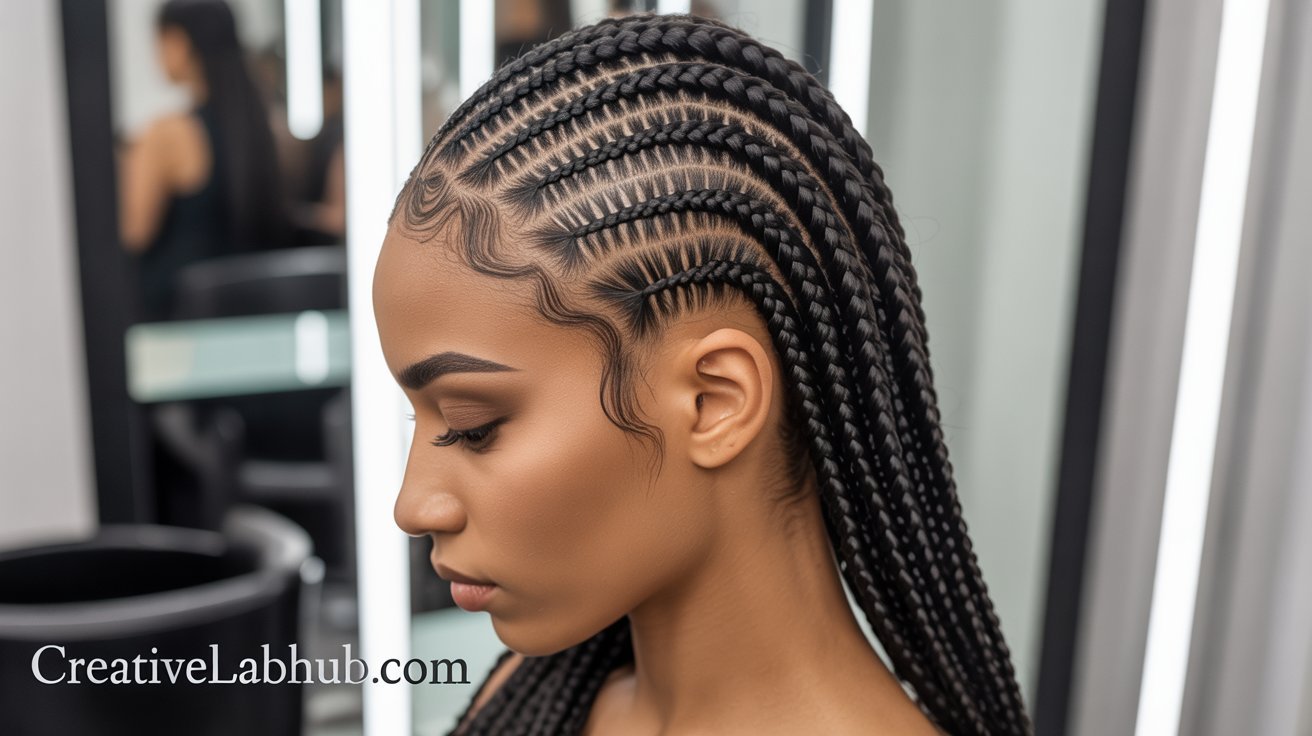
Feed in braids are a braiding technique where hair extensions are gradually added into your natural hair as the braid progresses down. Instead of starting with a thick, bulky base like traditional braids, the stylist begins with your natural hair and slowly “feeds in” small amounts of synthetic or human hair.
This creates a tapered effect. The roots are lighter and flatter. The braid gradually increases in thickness. The result? A more natural-looking style that doesn’t stress your scalp.
The technique originated as an evolution of cornrows. Braiders wanted to create styles that looked less artificial and felt more comfortable. Today, feed in braids have become a staple in the natural hair community.
Why Choose Feed In Braids Over Traditional Box Braids?
The differences between feed in braids and regular box braids are significant:
- Less tension: Traditional braids start thick at the root, which can pull on your hairline. Feed in braids reduce this tension dramatically.
- Flatter roots: Nobody wants those bumpy knots at the base. Feed in braids lay smooth against your scalp.
- Natural appearance: The gradual thickness looks like your hair naturally grows that way.
- Lighter weight: Less hair at the roots means your neck and scalp don’t carry as much weight.
- Versatility: You can create countless styles, from simple straight-backs to intricate patterns.
These advantages explain why so many people have switched to feed in braids exclusively.
Types of Feed In Braid Styles
Feed in braids aren’t just one-size-fits-all. You have numerous styling options to express your personality and match different occasions.
Feed In Cornrows
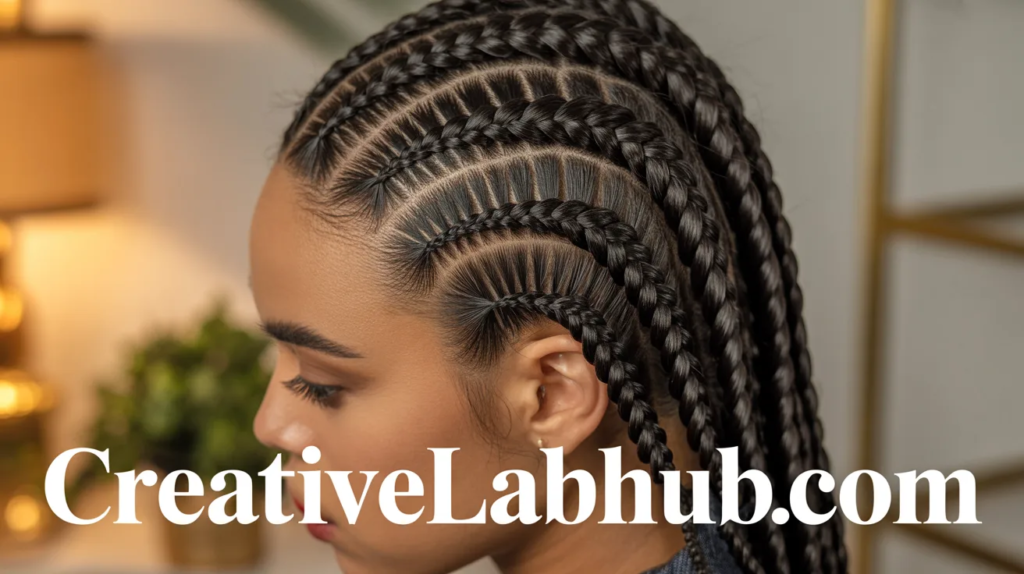
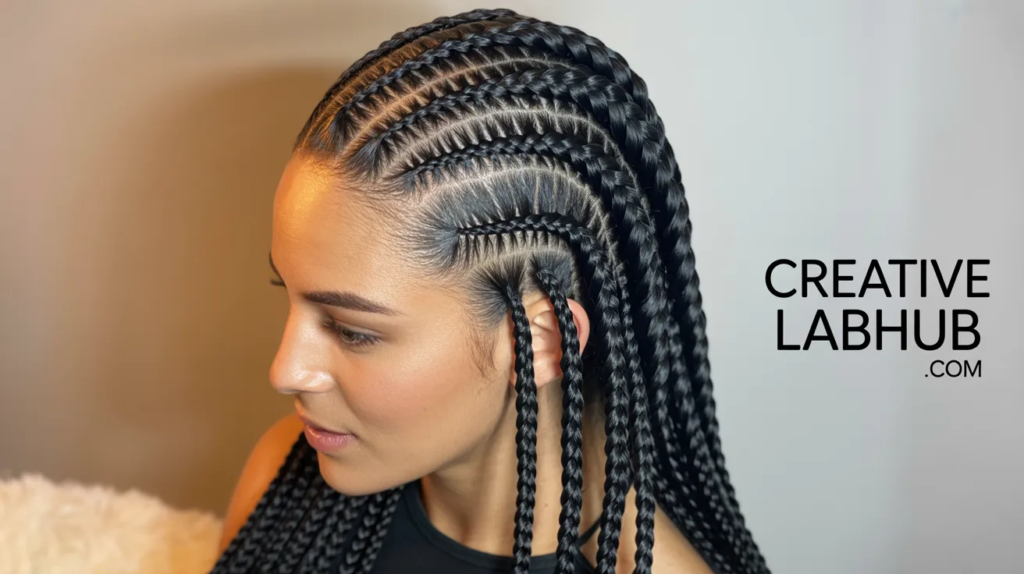
Cornrows are the foundation of many feed in braid styles. These braids lie flat against your scalp and can go straight back, curved, or in geometric patterns. Feed in cornrows are perfect for professional settings because they look neat and polished. They’re also excellent for athletes who need hair secured during activities.
Feed In Ponytail
This style combines the sleekness of feed in braids with the convenience of a ponytail. Your stylist braids your hair back into cornrows, then gathers them into a high, mid, or low ponytail. You can add curly ends, straight extensions, or even beads. A feed in ponytail works for everything from gym sessions to formal events.
Feed In Bun
Similar to the ponytail, feed in buns involve braiding your hair into cornrows that gather at a single point. The ends are then wrapped or styled into a bun. This elegant style keeps hair completely off your neck and shoulders. It’s particularly popular during summer months or for professional environments.
Feed In Stitch Braids
Stitch braids feature a distinctive pattern that looks like tiny stitches along each braid. The horizontal lines create visual interest and texture. When done with the feed in technique, stitch braids maintain that signature flat, lightweight feel. They’re trendy, eye-catching, and photograph beautifully.
Tribal Feed In Braids
Tribal braids incorporate bold patterns, curves, and sometimes gold thread or accessories. These feed in braids make a statement. They’re artistic and unique. Each design can be customized to reflect your personal style. Tribal feed in braids work wonderfully for special occasions or when you want to stand out.
Jumbo Feed In Braids
If you prefer larger, more dramatic braids, jumbo feed in braids deliver impact. These thicker braids still use the feed in technique for lighter roots. They install faster than smaller braids but create equally stunning results. Jumbo feed in braids are perfect when you want a bold look without spending eight hours in the salon chair.
How Are Feed In Braids Installed?
Understanding the installation process helps you appreciate the skill involved and communicate better with your stylist.
Preparation Steps
Before braiding begins, proper preparation is essential:
- Wash your hair: Clean hair is easier to braid and won’t trap dirt under the style.
- Deep condition: Moisturized hair is healthier and handles manipulation better.
- Detangle completely: Remove all knots to prevent breakage during braiding.
- Stretch your hair: Blow-drying or banding makes your natural hair easier to work with.
- Protect your edges: Apply edge control or gel to smooth your hairline.
The Feed In Technique
Here’s how stylists create feed in braids:
- Section the hair: Your stylist parts your hair according to the desired pattern.
- Start with natural hair: Each braid begins with just your own hair, no extensions yet.
- Begin braiding: After a few stitches with natural hair, the stylist starts adding extension hair.
- Feed gradually: Small amounts of extension hair are added with each stitch or every few stitches.
- Control thickness: The stylist determines how much hair to add and when, creating the desired thickness.
- Secure the ends: Once the braid reaches the desired length, the end is sealed with hot water or by wrapping.
The gradual feeding technique requires skill and experience. Not every braider masters this method immediately. That’s why choosing an experienced stylist matters.
Installation Time
How long do feed in braids take to install? The answer depends on several factors:
- Style complexity: Simple straight-backs take 2-3 hours. Intricate patterns need 4-5 hours or more.
- Braid size: Smaller braids require more time than jumbo styles.
- Hair length: Longer extensions add installation time.
- Stylist speed: Experienced braiders work more quickly.
Most feed in braid appointments range from 3 to 6 hours. Bring snacks, download entertainment, and prepare for a sitting session.
Benefits of Feed In Braids
Why have feed in braids gained such popularity? The benefits extend beyond aesthetics.
Protective Styling
Feed in braids protect your natural hair from daily manipulation. You’re not combing, brushing, or heat-styling. Your hair stays tucked away, retaining length and health. This makes feed in braids an excellent choice for anyone growing out their natural hair or transitioning from relaxed to natural.
Low Maintenance
Once installed, feed in braids require minimal daily maintenance. You don’t style your hair every morning. A quick spray of braid spray or oil keeps them looking fresh. This saves time and reduces the stress of daily hair routines.
Versatility in Styling
Even though feed in braids are protective, they’re not boring. You can wear them down, in ponytails, in buns, half-up styles, or wrapped in scarves. Add accessories like beads, cuffs, or colored thread. The styling possibilities are nearly endless.
Scalp Health
The reduced tension from feed in braids benefits your scalp health significantly. Traction alopecia—hair loss caused by tight styles—becomes less of a concern. Your edges remain protected. Your hairline doesn’t face constant pulling. Many people notice healthier hair growth while wearing feed in braids.
Long-Lasting Style
With proper care, feed in braids last 4 to 8 weeks. That’s weeks of worry-free styling. You wake up ready to go. Your hair looks put-together without effort. This longevity makes feed in braids cost-effective despite the initial time and money investment.
How to Care for Feed In Braids
Proper maintenance ensures your feed in braids stay beautiful and your natural hair remains healthy underneath.
Daily Care Routine
Keep your feed in braids fresh with these daily habits:
- Moisturize your scalp: Use a light oil or braid spray. Focus on your scalp, not the extensions.
- Sleep with protection: Wrap your braids in a silk or satin scarf. Use a satin pillowcase as backup.
- Avoid excessive manipulation: Don’t constantly touch or restyle your braids. Let them rest.
- Keep them dry initially: Wait at least 3-4 days before wetting your braids for the first time.
Weekly Maintenance
Once a week, dedicate extra attention to your feed in braids:
- Deep clean your scalp: Use diluted shampoo or witch hazel on a cotton pad. Clean between the braids gently.
- Apply oil treatment: Massage natural oils like jojoba or tea tree into your scalp. This prevents dryness and itching.
- Check for frizz: Use mousse or gel to smooth any flyaways. Don’t overdo it.
- Refresh your edges: Reapply edge control if your hairline looks fuzzy.
Washing Feed In Braids
Yes, you can wash feed in braids. In fact, you should wash them every 1-2 weeks:
- Dilute your shampoo: Mix shampoo with water in a spray bottle or applicator bottle.
- Apply to scalp: Focus on your scalp, not the length of the braids.
- Massage gently: Use your fingertips (not nails) to work the shampoo in.
- Rinse thoroughly: Make sure no product residue remains.
- Dry properly: Sit under a hooded dryer or air dry completely. Damp braids can develop mildew.
Never skip drying your feed in braids completely. Moisture trapped against your scalp creates problems.
What to Avoid
Certain practices damage feed in braids or the hair underneath:
- Heavy products: Thick gels, butters, or oils cause buildup.
- Excessive water exposure: Swimming daily or long showers weaken the braids.
- Tight ponytails: Don’t pull your braids too tight when styling.
- Leaving them in too long: After 8 weeks, feed in braids should come out. Overstaying causes matting and breakage.
How Long Do Feed In Braids Last?
The lifespan of feed in braids varies based on maintenance, hair type, and braid size.
Average Duration
Most people keep feed in braids for 4 to 6 weeks. Some stretch to 8 weeks if the braids still look good. Smaller braids tend to last longer than larger ones. Your natural hair growth also affects longevity—faster-growing hair creates frizz at the roots sooner.
Signs It’s Time to Remove Them
Watch for these indicators that your feed in braids need to come out:
- Significant new growth: When roots are very fuzzy and puffy.
- Excessive itching: Beyond normal scalp irritation.
- Matting at the roots: If your natural hair is tangling underneath.
- Thinning braids: When extensions start looking sparse.
- Loss of style integrity: If your braids no longer look neat.
Don’t push past these warning signs. Keeping feed in braids too long damages your natural hair.
Removing Feed In Braids Safely
Removal is just as important as installation. Rushing through takedown causes unnecessary breakage.
The Removal Process
Take your time when removing feed in braids:
- Cut the extension ends: Carefully snip off the synthetic hair at the bottom.
- Unbraid slowly: Work from the bottom up, unraveling each braid gently.
- Separate extension from natural hair: Don’t rip them apart. Tease them gently.
- Detangle as you go: Use your fingers or a wide-tooth comb on each section.
- Apply conditioner: Slip product helps with detangling stubborn areas.
Set aside several hours for removal. Doing it correctly prevents damage.
Post-Removal Care
Your hair needs attention after weeks in feed in braids:
- Wash thoroughly: Use a clarifying shampoo to remove buildup.
- Deep condition: Give your hair intense moisture treatment.
- Protein treatment: Strengthen your hair if needed.
- Trim if necessary: Remove any damaged ends.
- Rest your hair: Wait at least 2 weeks before reinstalling protective styles.
Don’t panic about shedding during removal. You’ll lose the hairs that naturally shed while your hair was braided—they’re just coming out all at once.
Choosing the Right Stylist for Feed In Braids
Not all braiders excel at feed in braids. Finding a skilled stylist makes all the difference.
What to Look For
When searching for a braider:
- Portfolio: Review their work on social media. Look specifically for feed in braid examples.
- Reviews: Read what other clients say about their experience.
- Certification or training: Professional training indicates dedication to the craft.
- Consultation: Good stylists consult before braiding to understand your needs.
- Technique knowledge: Ask about their feed in method and experience level.
Questions to Ask
Before booking your appointment:
- How long have you been doing feed in braids?
- Can you show me examples of your feed in work?
- How long will my style take?
- What hair do you recommend using?
- How do you prevent tension on edges?
- What’s your policy on corrections if I’m unhappy?
A professional braider welcomes these questions.
Red Flags
Avoid stylists who:
- Rush through braids without care for your comfort.
- Braid too tightly despite your feedback.
- Don’t sanitize their workspace or tools.
- Have no portfolio or reviews.
- Can’t explain the feed in technique.
Your hair health depends on choosing wisely.
Cost of Feed In Braids
Pricing varies widely based on location, stylist experience, and style complexity.
Average Price Range
In most U.S. cities, expect to pay:
- Simple feed in cornrows: $100-$200
- Feed in ponytail or bun: $150-$250
- Full head feed in box braids: $200-$400
- Intricate tribal or stitch braids: $250-$500+
Major metropolitan areas charge more. Highly sought-after stylists command premium prices. Remember: you’re paying for skill, time, and expertise.
Additional Costs
Factor in these extra expenses:
- Hair extensions: $20-$60 depending on quality and amount needed.
- Products for maintenance: $15-$30 for oils, sprays, and edge control.
- Travel: If you’re seeing a stylist outside your area.
- Tips: Standard 15-20% for good service.
Budget accordingly for the full experience.
Feed In Braids vs. Other Protective Styles
How do feed in braids compare to alternatives?
Feed In Braids vs. Traditional Box Braids
Traditional box braids start thick at the root with all the extension hair. This creates more tension and bulk. Feed in braids gradually add extension hair, reducing weight and stress. Feed in braids look more natural and feel more comfortable.
Feed In Braids vs. Faux Locs
Faux locs offer a different aesthetic—the look of mature locs without the commitment. They’re typically heavier than feed in braids. Faux locs take longer to install. Feed in braids are lighter and easier to style in various ways.
Feed In Braids vs. Crochet Styles
Crochet braids involve cornrowing your natural hair, then crocheting extensions through the cornrows. Installation is faster than individual feed in braids. However, feed in braids typically last longer and look more realistic. Both are valid protective options depending on your goals.
Feed In Braids vs. Wigs
Wigs offer instant style changes. You can remove them daily. But they don’t protect your natural hair as effectively as feed in braids. Feed in braids are installed for weeks, truly giving your hair a break from manipulation. Wigs work better for people who want daily versatility.
Common Feed In Braids Mistakes to Avoid
Learn from others’ experiences and skip these common errors.
Getting Braids Too Tight
Tight feed in braids cause pain, bumps, and eventually hair loss. If your scalp hurts during installation, speak up immediately. Braids should feel snug but not painful. Don’t suffer through tightness thinking it’s normal—it’s not.
Neglecting Scalp Care
Your scalp still needs attention under feed in braids. Ignoring it leads to dryness, itching, and buildup. Maintain a regular cleaning and moisturizing routine throughout the life of your braids.
Using Too Much Product
Product buildup makes feed in braids look dull and heavy. It also creates residue that’s hard to wash out. Use lightweight products sparingly. Less is more with braided styles.
Keeping Them Too Long
We mentioned this earlier, but it bears repeating: don’t leave feed in braids in too long. After 8 weeks maximum, they should come out. Extended wear causes matting, breakage, and potential damage to your natural hair.
DIY Removal Without Care
Rushing through removal by cutting or ripping braids out damages your hair significantly. Take your time. Be gentle. Consider having a professional remove them if you’re concerned about doing it correctly.
Tips for Making Feed In Braids Last Longer
Want to maximize the lifespan of your feed in braids? Try these strategies.
Invest in Quality Extensions
Better quality extension hair holds up longer. It tangles less. It maintains its appearance through washing. Cheap hair may save money initially but often looks worn faster. Consider it an investment in your style’s longevity.
Protect Them at Night
This can’t be stressed enough: wrap your feed in braids every single night. Satin or silk materials reduce friction. Friction causes frizz. Consistent protection keeps your braids looking fresh longer.
Limit Manipulation
The more you touch, restyle, and manipulate your feed in braids, the faster they wear out. Choose a versatile style initially so you don’t feel the need to constantly change it up. When you do style them, be gentle.
Schedule Touch-Ups
Some stylists offer edge touch-up services between full installations. If your edges start looking fuzzy but the rest of your braids are fine, a touch-up extends your style’s life without full reinstallation.
Watch Your Sleeping Position
Sleeping on your braids creates friction and wear patterns. Rotate your sleeping position. Consider a satin pillowcase in addition to your scarf for double protection.
Feed In Braids for Different Hair Types
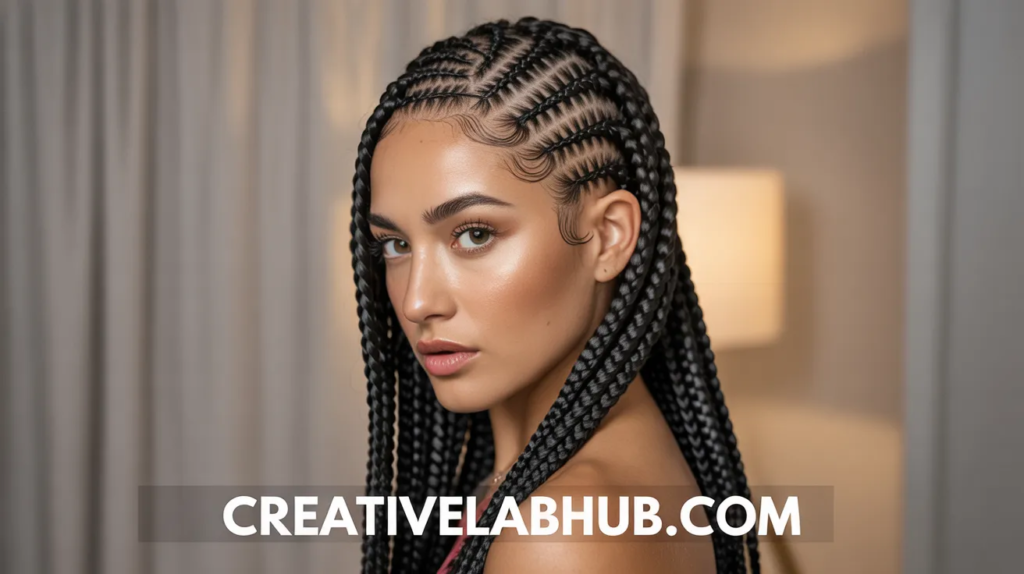
Can anyone get feed in braids? Generally, yes, but considerations vary.
Feed In Braids on Natural Hair
Natural hair is ideal for feed in braids. The texture grips extensions well. All curl patterns—from 3A to 4C—work beautifully with this technique. Make sure your hair is healthy before braiding. Address any breakage or extreme dryness first.
Feed In Braids on Relaxed Hair
Relaxed hair can wear feed in braids, but it requires extra care. Chemically treated hair is more fragile. Ensure your hair is in good condition. The tension must be very light. Consider shorter wear time—maybe 4 weeks instead of 6-8.
Feed In Braids on Short Hair
Even short hair can rock feed in braids. Your stylist will adapt the technique, possibly starting with more extension hair sooner. Cornrow styles work particularly well on shorter lengths. Be realistic about length expectations with your stylist.
Feed In Braids on Fine Hair
If you have fine hair, communicate this to your stylist. They’ll use less extension hair and braid even more gently. Fine hair benefits greatly from the reduced tension of feed in braids compared to traditional braiding methods. Just make sure not to keep them in too long.
Styling Ideas for Feed In Braids
Once you have your feed in braids installed, the styling fun begins.
Accessorizing Your Braids
- Beads: Thread beads onto individual braids for movement and sound.
- Cuffs: Metal or plastic cuffs add shine and interest.
- Thread: Colored thread wrapped around braids creates patterns.
- Ribbons: Weave ribbons through for a softer, feminine look.
- Gold accents: Gold thread or cuffs never go out of style with feed in braids.
Updos and Elegant Styles
Transform your feed in braids for special occasions:
- High bun: Gather all braids into a top knot for elegance.
- Low chignon: A sophisticated option for formal events.
- Crown braid: Wrap braids around your head like a crown.
- Half-up, half-down: Classic and flattering on everyone.
- Side swept: Pin all braids to one side for asymmetrical drama.
Casual Everyday Looks
For daily wear, keep it simple:
- High ponytail: Sleek and sporty.
- Low ponytail: Professional and polished.
- Loose and natural: Simply wear them down.
- Headband addition: Add a headband for instant style.
- Scarf wrap: Wrap a colorful scarf around your head, leaving braids visible.
Frequently Asked Questions About Feed In Braids
How long do feed in braids take to install?
Feed in braids typically take 3 to 6 hours to install, depending on the complexity of the style, size of the braids, and length desired. Simpler styles like straight-back cornrows install faster, while intricate patterns or smaller braids require more time. Your stylist’s experience level also affects installation speed.
Can you wash feed in braids?
Yes, you should wash feed in braids every 1-2 weeks to maintain scalp health. Dilute your shampoo with water and apply it directly to your scalp using a spray or applicator bottle. Gently massage your scalp, rinse thoroughly, and ensure your braids dry completely to prevent mildew growth.
How do you sleep with feed in braids?
Sleep with feed in braids by wrapping them in a silk or satin scarf or bonnet every night. This reduces friction that causes frizz and extends the life of your style. You can also use a satin pillowcase as an additional or alternative protection method. Keep your braids contained to minimize movement during sleep.
Do feed in braids damage hair?
When installed correctly without excessive tension, feed in braids don’t damage hair. In fact, they’re one of the gentler protective styles because they reduce tension on your roots compared to traditional box braids. Damage typically occurs from braids being too tight, kept in too long, or removed improperly. Choose an experienced stylist and follow proper maintenance.
How much do feed in braids cost?
Feed in braids typically cost between $100 and $500, depending on your location, stylist experience, and style complexity. Simple cornrow styles start around $100-$200, while intricate patterns, longer lengths, or highly detailed work can reach $300-$500. Don’t forget to budget for quality hair extensions and maintenance products.
Can feed in braids be done on short hair?
Yes, feed in braids work on short hair. Your stylist will adapt the technique to accommodate your length, possibly incorporating extensions earlier in each braid. Cornrow styles particularly suit shorter hair lengths. Discuss realistic length expectations with your stylist during your consultation.
What’s the difference between feed in braids and regular braids?
Feed in braids gradually incorporate extension hair as each braid progresses, creating lighter roots and a more natural appearance. Regular box braids start with all the extension hair at the root, creating bulk and more tension on your scalp. Feed in braids reduce stress on your hairline and edges.
How do you maintain feed in braids?
Maintain feed in braids by moisturizing your scalp daily with light oils or braid spray, sleeping with satin or silk protection every night, washing your scalp every 1-2 weeks, and avoiding heavy products that cause buildup. Don’t manipulate your braids excessively, and keep them in for no more than 8 weeks maximum.
Can you swim with feed in braids?
You can swim with feed in braids, but take precautions. Wet your braids with fresh water before swimming to minimize chlorine or salt water absorption. Wear a swimming cap if possible. After swimming, rinse your braids thoroughly and ensure they dry completely. Frequent swimming may shorten your style’s lifespan.
Why do my feed in braids itch?
Itching with feed in braids usually occurs due to product buildup, dry scalp, new growth, or mild tension. Relieve itching by cleaning your scalp with diluted shampoo or witch hazel, applying lightweight oil, or using a scalp soother spray. If itching is severe or accompanied by bumps, consult a professional as it may indicate an allergic reaction or excessive tension.
Conclusion
Feed in braids have revolutionized protective styling with their natural appearance, reduced tension, and incredible versatility. Whether you choose simple cornrows, an elegant updo, or intricate tribal patterns, this technique offers something for everyone. The key to success lies in finding a skilled stylist, maintaining proper care routines, and listening to your hair’s needs throughout the process.
Remember that feed in braids aren’t just about looking good—they’re about protecting your natural hair while enjoying weeks of low-maintenance styling. By following the tips and techniques outlined in this guide, you’ll maximize both the beauty and benefits of your feed in braids.
Are you ready to try feed in braids for yourself? What style are you most excited to experiment with? Share your thoughts and experiences—your journey might inspire someone else to take the protective style plunge.
Also Read : Kona Ice Flavors