

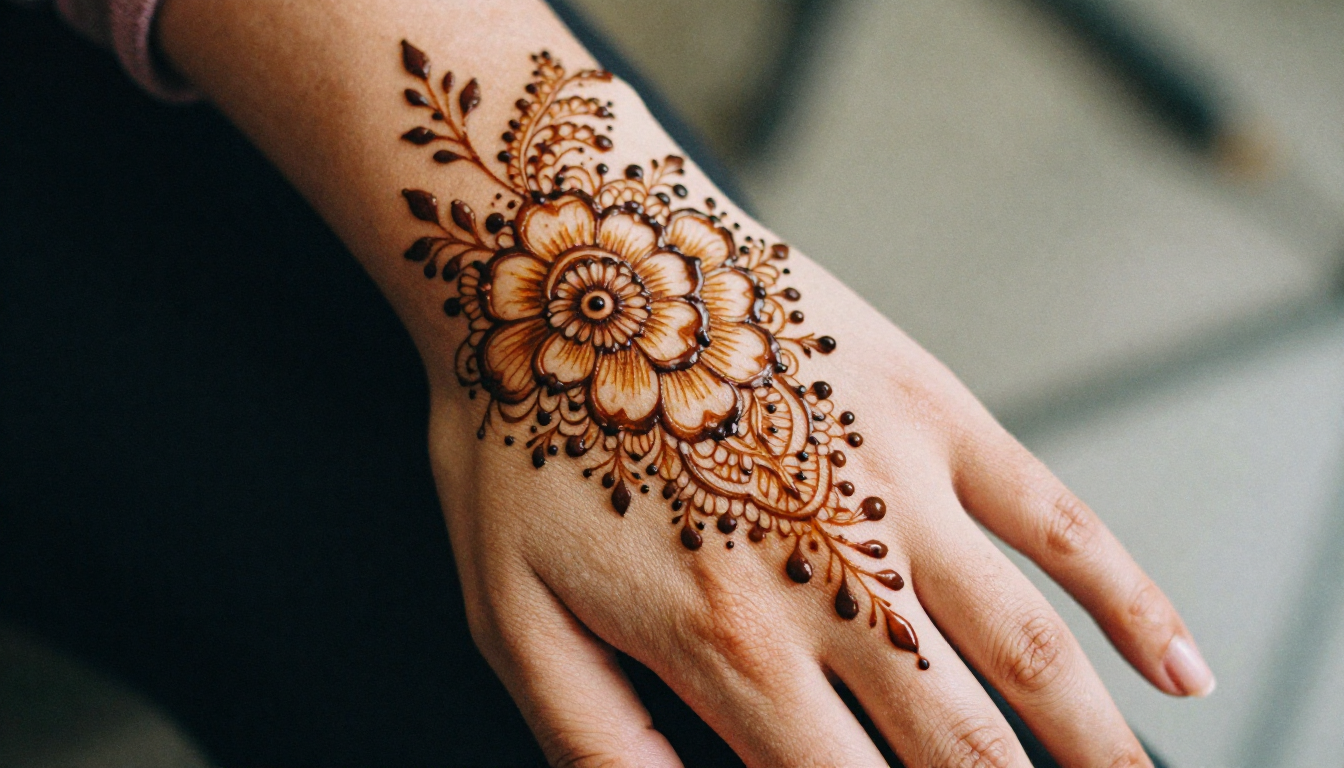
Henna Tattoo Secrets: Stunning Designs and Hidden Risks 2026
Introduction
Have you ever looked at those intricate, reddish-brown patterns on someone’s hands and wondered about the story behind them? There is something truly magical about the art of a henna tattoo. It is a tradition that feels both ancient and perfectly modern at the same time. Whether you are at a music festival, a summer fair, or a traditional wedding, henna always manages to catch the eye. It offers a way to decorate your body without the lifelong commitment of a needle. I remember the first time I got one; the cooling sensation of the paste was so relaxing.
This article is your ultimate guide to everything involving the henna tattoo experience. We will dive deep into where this art came from and how it works on your skin. You will learn how to tell the difference between safe, natural dyes and dangerous chemical versions. We will also explore beautiful design styles from across the globe. By the end, you will know exactly how to care for your art to keep it glowing. Let’s start this journey into the world of temporary botanical art together.
What Exactly is a Henna Tattoo?
A henna tattoo is not actually a tattoo in the traditional sense. It does not involve needles or permanent ink under the skin. Instead, it is a form of temporary body art created using a dye from a plant. This plant is called Lawsonia inermis, often simply known as the henna tree. The leaves are dried and crushed into a fine powder. This powder is then mixed with liquid to create a thick, mud-like paste.
When this paste is applied to your skin, it leaves a stain behind. This happens because of a tannin molecule called lawsone. Lawsone has a natural affinity for the keratin in your skin. As the paste sits on your surface, the dye migrates into the top layers. Once the dried paste is removed, you are left with a beautiful design. The color usually starts as a bright orange. Over the next two days, it deepens into a rich, dark mahogany or chocolate brown.
The History Behind the Art
The use of henna dates back over 5,000 years. Many cultures claim its origin, from ancient Egypt to the Middle East and India. In ancient times, people used the paste for its cooling properties. They would soak their palms and soles in the mud to regulate body temperature. As the stain faded, they noticed the pretty patterns it left behind. This led to the birth of the henna tattoo as a form of decoration.+1
In many cultures, it is deeply tied to celebration and joy. It is a staple at weddings, especially in South Asia and North Africa. The “Night of Henna” is a famous pre-wedding ritual for many brides. It symbolizes luck, health, and sensuality in marriage. Today, this art form has traveled across all borders. It is loved by people of all backgrounds for its natural beauty and temporary nature.

The Dark Side: Natural vs. Black Henna
When you go to get a henna tattoo, you must be very careful. Not all pastes are created equal or safe. There is a huge difference between natural henna and “black henna.” Natural henna is made from plant matter and is very safe for most people. It produces shades of orange, red, and brown. It also has a pleasant, earthy scent, similar to hay or wet grass.
Black henna, on the other hand, is not henna at all. It is often a mix of chemicals, including a coal-tar dye called PPD (paraphenylenediamine). PPD is used in hair dyes but is not meant for direct skin contact. It can cause severe allergic reactions and permanent scarring. I have seen photos of these reactions, and they are truly heartbreaking. Always ask your artist what is in their paste before they start.
How to Spot the Danger
How can you tell if a henna tattoo might be dangerous? First, look at the color of the paste and the promised stain. If the artist says the tattoo will be jet black instantly, walk away. Natural henna takes time to develop its dark color. Also, check the smell of the paste. If it smells like chemicals, gasoline, or turpentine, it is unsafe.
Safe henna paste needs to be kept in a freezer or fridge to stay fresh. If a vendor has “shelf-stable” cones sitting out in the sun, they likely contain preservatives. These chemicals can irritate sensitive skin. A professional artist will usually mix their own paste using lemon juice and essential oils. Trust your nose and your gut when choosing where to get your art done.
Popular Design Styles You Should Know
The world of the henna tattoo is incredibly diverse. Different regions have developed their own unique “visual language” over centuries. You can choose a style that fits your personality or the occasion. Some people prefer delicate, thin lines, while others like bold, blocky shapes. Understanding these styles can help you communicate better with your artist.
Indian Mehendi Style
Indian designs are famous for being incredibly intricate and detailed. They often cover the entire hand and extend up the arm. You will see lots of “jali” (lace-work) and tiny swirls. Common motifs include peacocks, elephants, and lotus flowers. Often, the bride’s husband’s initials are hidden within the pattern. It is a very dense style that looks like a beautiful glove of lace.
Arabic and Gulf Styles
Arabic henna is generally more “open” than the Indian style. It focuses more on large floral patterns and flowing vines. There is a lot of negative space, which makes the design pop against your skin. You won’t usually see human or animal figures in this style. It is considered very elegant and modern. I personally love this style for everyday wear because it feels less overwhelming.
Moroccan and African Styles
Moroccan designs are quite different and very striking. They use geometric shapes, straight lines, and triangles. This style often looks like a series of ancient symbols or tribal markings. In some parts of Africa, the designs are very bold and thick. They might even involve “blocking in” entire sections of the fingers or toes. This style is great if you want something that looks a bit more “edgy” or graphic.
What to Expect During Your Session
If you are a first-timer, getting a henna tattoo is a very peaceful experience. You will usually sit in a comfortable chair while the artist works. The artist uses a small plastic cone to “draw” the paste onto your skin. It feels cool and slightly damp as it goes on. Depending on the complexity, it can take anywhere from ten minutes to two hours. You will need to stay very still while the paste is wet.
Once the design is finished, the paste needs time to dry. This usually takes about 20 to 30 minutes. As it dries, it might start to crack or flake off slightly. A good artist will often spray the design with a lemon-sugar sealant. This helps the paste stick to your skin for a longer period. The longer the paste stays on, the darker and more durable your stain will be.
Essential Aftercare for a Long-Lasting Stain
You have just spent time getting a gorgeous henna tattoo. Now, you want it to last as long as possible! The first 24 hours are the most critical for the color development. I always tell people to keep the paste on for at least six to eight hours. If you can manage to keep it on overnight, that is even better. You can wrap it in medical tape or a sock to keep the flakes from messy up your bed.
The “No Water” Rule
When it is time to remove the paste, do not use water. Instead, use your fingernails or a dull butter knife to scrape the dried mud off. Your skin will look bright orange at first—don’t panic! This is perfectly normal. Avoid getting the area wet for the first 24 hours after removal. Water can interrupt the oxidation process and lead to a faint stain. If you must shower, apply a layer of natural oil or balm over the design.
Keep it Moisturized
To prevent the henna tattoo from fading quickly, keep your skin hydrated. Use natural oils like coconut oil or olive oil. Avoid lotions that contain alcohol or exfoliating acids like AHAs or BHAs. These chemicals will speed up the shedding of your skin cells. Since the stain is only on the surface, anything that exfoliates will rub it right off. Treat your skin gently, and your art can last up to three weeks.
Can You Do It Yourself at Home?

Yes, you can absolutely create a henna tattoo at home! It is a fun hobby and a great way to express your creativity. However, you need to start with the right materials. Do not buy pre-made cones from a random grocery store. They often contain dyes and preservatives that can be harsh. I recommend buying high-quality henna powder from a reputable supplier online.
A Simple Henna Recipe
- 100g Henna Powder: Make sure it is “body art quality” (BAQ).
- Lemon Juice: Use enough to create a consistency like mashed potatoes.
- Essential Oils: Add about 30ml of Lavender or Eucalyptus oil.
- Sugar: A tablespoon of sugar helps the paste stick to your skin.
Mix these ingredients together and let the paste “dye release” for about 12 to 24 hours. You will know it is ready when the top of the paste turns dark brown. Put the paste into a small piping bag or a hand-rolled plastic cone. Start practicing on paper before you move to your skin. It takes a little bit of hand-eye coordination, but it is very rewarding.
Why People Choose Henna Over Permanent Tattoos
There are many reasons why a henna tattoo is a popular choice today. For many, it is about the “try before you buy” aspect. If you are thinking about a permanent tattoo, henna lets you test the placement. You can see how a design looks on your wrist or ankle for a few weeks. It helps you decide if you really want that design forever.
For others, it is simply about the ritual and the change. We change our clothes and our hair, so why not our skin art? A henna tattoo allows you to be a different version of yourself every month. It is also completely painless, which is a huge plus for many. You get the aesthetic of body art without the sting of a needle. Plus, it is generally much more affordable than a trip to a tattoo parlor.
Common Questions About Henna Tattoos
Does it hurt?
Not at all! A henna tattoo is completely non-invasive. The paste just sits on top of your skin. Most people find the process very relaxing and therapeutic. It is often described as a “spa-like” experience for your hands.
How long does a henna tattoo last?
Typically, a stain will last between one and three weeks. It depends on several factors, like your skin type and where the tattoo is. Tattoos on the palms and soles of the feet last the longest. This is because the skin is thicker there and holds the dye better. Frequent washing or swimming will make it fade faster.
Is it safe for children and pregnant women?
Natural henna is generally considered safe for children and during pregnancy. In fact, many cultures have a tradition of “hennaing” a pregnant belly. However, you should always do a small patch test first. Some people may have a G6PD deficiency, which can cause a reaction to henna. Always consult with a doctor if you have any underlying health conditions.+1
Can I get a white henna tattoo?
You may have seen “white henna” on social media. It is important to know that this is not actually henna. It is usually a mixture of body paint and medical-grade adhesive. It sits on top of the skin like a sticker and does not stain. It looks beautiful for a day or two but will peel off quite quickly. It is a great option for a wedding or a photo shoot.
What if I want to remove it early?
If you need to get rid of your henna tattoo quickly, exfoliation is key. You can soak the area in warm salt water for 20 minutes. Then, use a loofah or a body scrub to gently rub the skin. Applying a mixture of baking soda and lemon juice can also help lighten the stain. Just remember to moisturize afterward, as these methods can dry out your skin.

Conclusion: Embrace the Temporary Beauty
The world of the henna tattoo is a bridge between the past and the present. It offers a way to celebrate our bodies with natural, botanical ingredients. By choosing a henna tattoo, you are participating in a global tradition of art and storytelling. Whether you want an intricate Indian design or a bold Moroccan pattern, the possibilities are endless. Just remember to always prioritize safety by choosing natural paste over chemical alternatives.
Now that you know the secrets to a perfect stain, are you ready to try it out? It is a wonderful way to treat yourself to something beautiful. You can even host a henna party with your friends for a unique bonding experience. What kind of design would you choose for your first—or next—henna experience?
Also Read : XLR Connector