
Multi Family Homes for Sale: The Smart Buyer’s Proven Guide 2026
Introduction
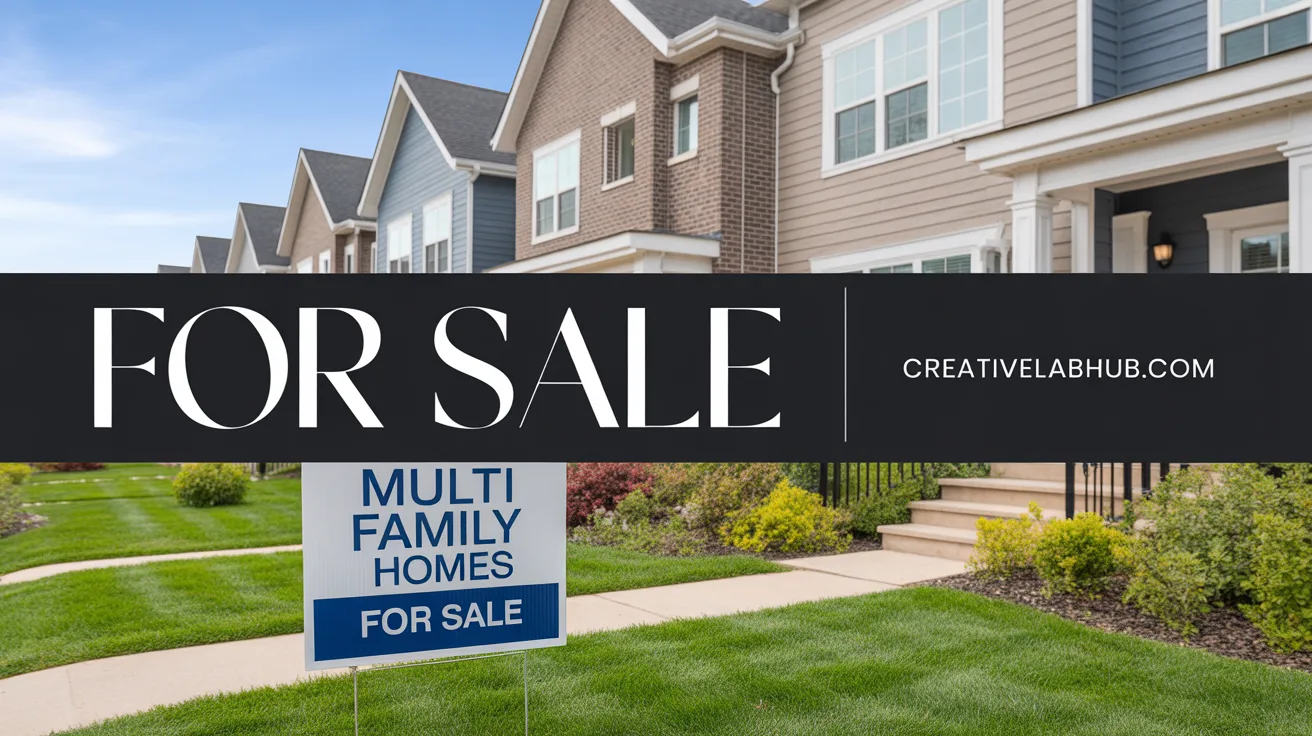
If you have been searching for multi family homes for sale and feeling overwhelmed by the options, the price tags, or the process, you are not alone. Most buyers feel exactly that way the first time they step into this market. But here is what experienced investors already know: buying a multi family property is one of the most powerful moves you can make for your financial future.
Unlike a single family home, a multi family property gives you the ability to earn rental income, offset your mortgage, and build equity at the same time. That combination is hard to beat. Whether you are a first time buyer trying to reduce your housing costs or a seasoned investor looking to scale your portfolio, multi family homes for sale offer something valuable for almost every type of buyer.
This guide covers everything you need to know. You will learn what multi family homes are, how to find the best deals, how to finance them, what mistakes to avoid, and how to make a smart purchase that pays off for years to come.
What Are Multi Family Homes?
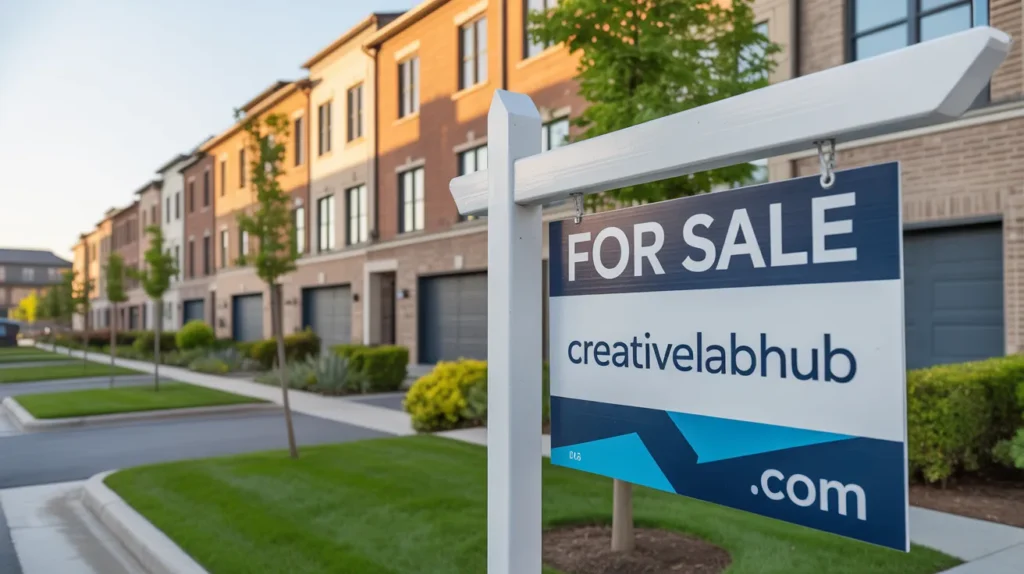
A multi family home is any residential property that contains more than one separate housing unit. Each unit has its own entrance, kitchen, and living space. The units are all under one roof or on one shared lot, but they function independently.
Here are the most common types you will find when searching multi family homes for sale:
Duplex: Two units in one building. This is the most beginner friendly option. You can live in one unit and rent the other.
Triplex: Three units under one roof. A step up from a duplex, with more rental income potential.
Fourplex: Four units in one building. This is the largest property you can buy with a conventional residential mortgage.
Apartment buildings: Five units or more. These require commercial financing and are considered a separate category by most lenders.
Most buyers start with duplexes or fourplexes. They are easier to manage, easier to finance, and easier to understand for first timers.
Why Multi Family Homes for Sale Are Worth Your Attention Right Now
The real estate market has shifted. Interest rates have changed the buying landscape for single family homes. But multi family homes for sale still offer strong value because rental demand continues to grow across the country.
Here are a few reasons why buyers are paying close attention right now:
Rental demand is at historic highs. According to the U.S. Census Bureau, homeownership rates have declined steadily since 2004. More people are renting, which means your units are more likely to stay occupied.
Inflation protection. Real estate has historically outpaced inflation. Rental income tends to rise with inflation, which protects your purchasing power over time.
Forced appreciation. Unlike stocks, you can actively increase the value of a multi family property by improving it, raising rents, or reducing vacancies.
Cash flow potential. When you own a property with multiple units, the combined rent from tenants can cover your mortgage and operating costs, and in many cases, leave money in your pocket each month.
Multi family homes for sale are not just a real estate purchase. They are a business investment with real income attached.
How to Find the Best Multi Family Homes for Sale
Finding a great deal takes more than browsing Zillow. Here is a practical approach that actually works.
Work with a real estate agent who specializes in investment properties. Not every agent understands the income side of real estate. You want someone who knows how to analyze a deal, not just show you houses.
Use multiple listing platforms. Zillow, Realtor.com, LoopNet, and Crexi all list multi family homes for sale. Each platform has different listings. Check all of them regularly.
Drive the neighborhoods you are targeting. Some sellers do not list publicly right away. You might spot a property before it hits the market.
Connect with wholesalers. Wholesalers specialize in finding off market properties and selling them to investors at a discount. Building a relationship with even one or two wholesalers can open doors to deals you would never see online.
Check local tax records and foreclosure listings. Distressed properties often come with below market prices. If you are willing to put in some work, the returns can be significant.
Join local real estate investor groups. Other investors in your market know when deals are available. Networking is one of the most underrated tools in real estate.
What to Look for Before You Buy
Not every multi family home for sale is a good deal. You need to evaluate the property carefully before you make an offer.
Location matters more than anything. A great building in a bad neighborhood is a headache waiting to happen. Look for areas with low vacancy rates, growing populations, and strong rental demand. Proximity to schools, public transit, and employment centers all drive demand.
Inspect the property thoroughly. Hire a licensed inspector. Multi family properties have more systems, more units, and more potential problems than single family homes. Do not skip the inspection to save a few hundred dollars.
Review the current leases. If the property already has tenants, review their leases carefully. Check the rent amounts, lease terms, and whether any tenants are month to month. Inherited tenants can be an asset or a problem depending on their history.
Analyze the financials. Ask the seller for at least two years of income and expense statements. Look at gross rental income, vacancy rates, operating expenses, and net operating income.
Calculate your cap rate. The capitalization rate is a simple formula: net operating income divided by purchase price. A higher cap rate generally means a better return, though cap rates vary by market. In most U.S. cities, a cap rate between 5 and 8 percent is considered reasonable for multi family properties.
Check for deferred maintenance. Old roofs, aging HVAC systems, plumbing problems, and outdated electrical panels are expensive to fix. Factor these costs into your offer price.

How to Finance Multi Family Homes for Sale
Financing a multi family property works differently than financing a single family home. You have several options depending on the property size and your financial situation.
Conventional loans for properties with 1 to 4 units. If you plan to live in one of the units, you may qualify for an owner occupied conventional loan with as little as 3.5 to 5 percent down. Fannie Mae and Freddie Mac both offer programs for small multi family properties.
FHA loans. The Federal Housing Administration allows you to buy a property with up to four units with just 3.5 percent down, as long as you live in one of the units. This is one of the most popular financing tools for first time multi family buyers.
House hacking with low down payments. House hacking is the strategy of buying a multi family property, living in one unit, and renting out the others. Your tenants essentially pay your mortgage. It is one of the most efficient ways to get started with real estate investing.
Commercial loans for five or more units. Once you move beyond four units, you enter commercial lending territory. These loans are based more on the income the property generates than on your personal credit. They typically require 20 to 30 percent down.
Portfolio loans. Some local banks and credit unions offer portfolio loans, which they keep in house rather than selling to investors. These loans often have more flexible qualification criteria, which can work in your favor.
DSCR loans. Debt Service Coverage Ratio loans are popular with real estate investors. Lenders look at whether the property generates enough rental income to cover the mortgage payment, without requiring traditional income verification from you.
The Numbers You Need to Understand
Buying multi family homes for sale without understanding the numbers is like driving blindfolded. You do not need a finance degree, but you do need to understand a few key metrics.
Gross Rental Income: The total rent you collect from all units before expenses.
Operating Expenses: Property taxes, insurance, maintenance, property management fees, utilities you cover, and vacancy allowance. Most investors estimate expenses at 35 to 50 percent of gross rental income.
Net Operating Income (NOI): Gross rental income minus operating expenses. This is your property’s earnings before mortgage payments.
Cash on Cash Return: Annual cash flow divided by the total cash you invested. This tells you how efficiently your invested money is working. A cash on cash return of 8 to 12 percent is typically considered solid.
Gross Rent Multiplier (GRM): Purchase price divided by annual gross rental income. This gives you a quick way to compare properties. Lower is generally better.
Run these numbers on every property you consider. Never rely on the seller’s projections alone. Build your own conservative estimate.
Common Mistakes Buyers Make
Even smart buyers make avoidable mistakes when purchasing multi family homes for sale. Here are the ones to watch out for.
Overpaying because of optimism. New investors sometimes assume rents will go up quickly or that vacancies will stay low. Base your offer on current numbers, not projections.
Underestimating expenses. Property taxes, insurance, repairs, and management costs add up faster than most people expect. Budget conservatively.
Ignoring tenant quality. A bad tenant can cost you thousands in unpaid rent, legal fees, and property damage. Always screen tenants carefully, even if you inherit them.
Skipping professional help. A good real estate attorney, CPA, and property inspector are worth every penny. Do not try to cut corners on professionals.
Buying in the wrong market. A cheap property in a shrinking city with high vacancy rates is not a bargain. Study the local rental market before you commit.
Multi Family Homes for Sale: Building Long Term Wealth
The real power of owning multi family homes for sale comes from compounding over time. Here is what the long term picture looks like for a strategic investor.
Equity builds as your tenants pay down your mortgage. The more units you have, the faster this happens. After ten or fifteen years, a significant portion of your mortgage may already be paid down using other people’s money.
Property values tend to increase over time, especially in growing markets. Appreciation adds to your net worth without requiring any additional action from you.
Refinancing allows you to pull equity out of one property and use it to buy another. This is how many investors grow from one property to a portfolio of ten or twenty units.
Tax advantages are significant. Depreciation, mortgage interest deductions, and other real estate tax benefits can dramatically reduce your taxable income each year.
Every multi family property you buy is a step toward financial independence. That is the real reason experienced investors keep coming back to multi family homes for sale year after year.
Is Now a Good Time to Buy?
The honest answer is that timing the market perfectly is nearly impossible. But a few things are clear right now. Rental demand remains strong. Housing inventory is still limited in most markets. And multi family properties continue to produce income regardless of what the stock market does.
If you find a property that makes sense on paper today, with current rents, current expenses, and current financing, there is no reason to wait. Real estate rewards those who take calculated action.
Conclusion
Buying multi family homes for sale is one of the smartest financial decisions you can make. It gives you income today, equity tomorrow, and tax advantages along the way. You do not need to be wealthy to get started. You need a clear strategy, solid numbers, and the right team around you.
Start by defining your goals. How much cash flow do you want? Are you planning to live in the property? How much can you put down? Once you have those answers, finding the right multi family home for sale becomes a much more focused process.
I have spoken to investors who wish they had started years earlier. The ones who start now are the ones who look back with no regrets.
Are you already looking at multi family homes for sale in your market? Drop a comment below or share this article with someone who is ready to take the next step in real estate investing.
Frequently Asked Questions
What is considered a multi family home?
Any residential property with two or more separate living units is considered a multi family home. This includes duplexes, triplexes, fourplexes, and larger apartment buildings.
Can I buy a multi family home with a low down payment?
Yes. If you plan to live in one unit, you can use an FHA loan with as little as 3.5 percent down on properties with up to four units.
Is buying a multi family home a good investment?
For most buyers, yes. Multi family homes generate rental income, build equity through mortgage paydown, and offer significant tax advantages. The key is buying at the right price with solid numbers.
How do I calculate the value of a multi family property?
The most common method is the income approach. Divide the net operating income by the market cap rate for your area to get an estimated value.
What is house hacking?
House hacking is when you buy a multi family property, live in one unit, and rent out the others. The rental income offsets or eliminates your mortgage payment.
How many units can I buy with a residential mortgage?
You can finance up to four units with a conventional or FHA residential mortgage. Five or more units require commercial financing.
What expenses should I budget for when owning a multi family property?
Budget for property taxes, insurance, maintenance and repairs, property management (usually 8 to 10 percent of rent), vacancy allowance, and utilities if you cover any for tenants.
How do I screen tenants for a multi family property?
Run a full credit check, verify income (typically at least three times the monthly rent), check rental history, and conduct a background check. Use a consistent process for every applicant.
What is a cap rate in real estate?
Cap rate stands for capitalization rate. It is calculated by dividing the net operating income by the purchase price. It tells you what return the property generates before financing costs.
How do I find off market multi family homes for sale?
Network with wholesalers, drive neighborhoods to spot properties, contact owners directly, attend local real estate investor meetups, and check county tax records for properties with delinquent taxes.
Also read Creativelabhub.com
Email: johanharwen314@gmail.com
Author Name: Johan Hawren
Author Bio: Johan Harwen is a real estate writer and investment enthusiast with years of experience covering residential and multi family property markets across the United States. He focuses on making complex real estate topics simple, actionable, and accessible for everyday buyers and investors. When he is not writing, Johan enjoys studying local market trends and helping new investors find their footing in the world of real estate.