

The Reciprocating Saw Guide You Actually Need (And Won’t Regret Reading) 2026
Introduction
There’s something deeply satisfying about watching a reciprocating saw tear through a wall stud, a rusty pipe, or a gnarly tree branch like it’s made of butter. If you’ve ever stood at a demo site or tried to cut through something awkward with a handsaw and thought, “there has to be a better way” — well, there is. The reciprocating saw is that better way.
The reciprocating saw is one of those tools that, once you use it, you wonder how you ever managed without it. It’s raw, aggressive, and incredibly versatile. Whether you’re a seasoned contractor, a weekend warrior, or someone who just bought their first home and needs to tackle a renovation, this tool belongs in your arsenal.
In this article, you’ll learn what a reciprocating saw actually is, how it works, what makes it different from other saws, which blades to use, key safety tips, how to choose the right model, and some real-world use cases that’ll make you want to fire one up today.
What Is a Reciprocating Saw?
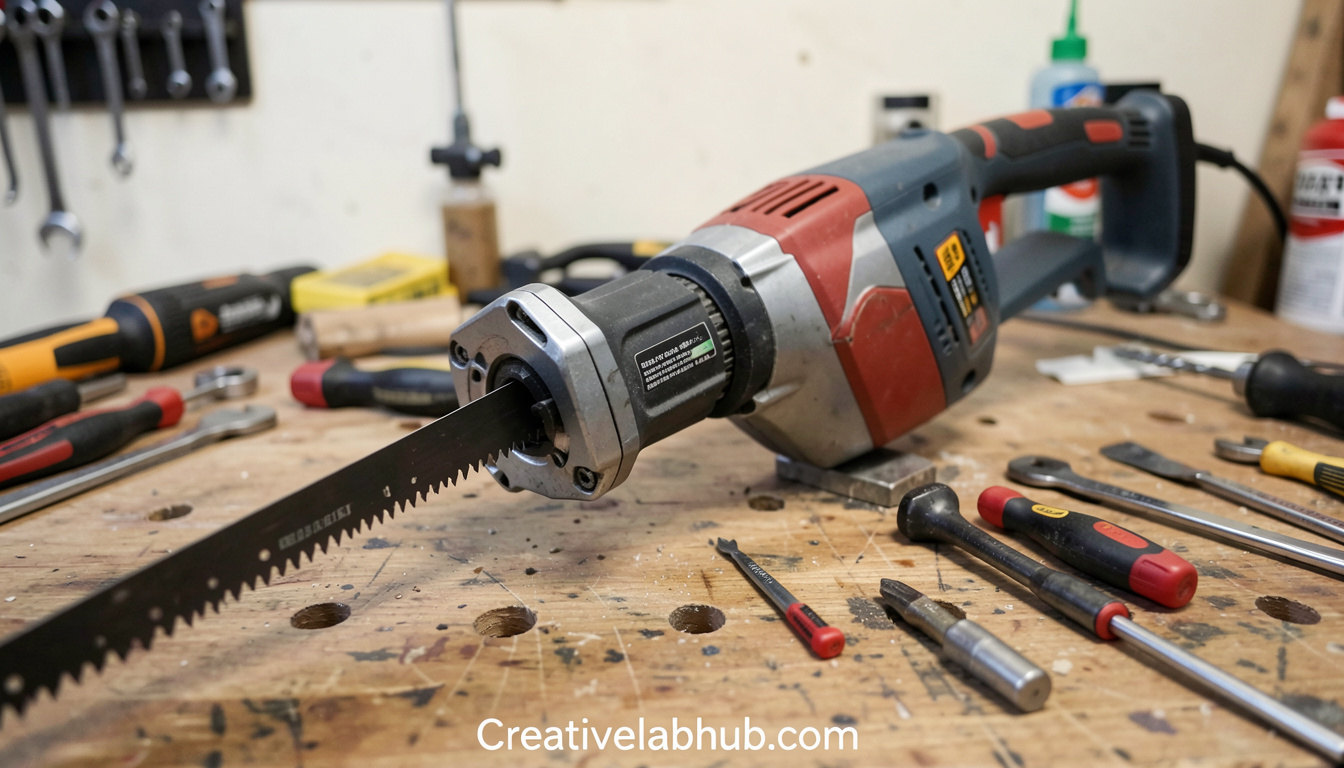
A reciprocating saw is a handheld power tool that cuts using a push-and-pull (reciprocating) motion of its blade. Unlike a circular saw that spins or a jigsaw that moves in tight, controlled patterns, the reciprocating saw uses a straight blade that moves back and forth at high speed. That motion is what gives it its name.
The tool is commonly called a “Sawzall,” which is actually a brand name by Milwaukee Tool — but it’s become a generic term the same way people call all tissues “Kleenex.” If someone on a job site says, “grab me the Sawzall,” they almost always mean a reciprocating saw.
This tool is built for situations where precision takes a backseat to power and accessibility. It can cut in tight spaces, overhead, inside walls, and at weird angles that would be nearly impossible with other saws. That’s what makes it a go-to tool for demolition, remodeling, plumbing, electrical work, and even tree trimming.
How Does a Reciprocating Saw Work?
The mechanics are simple, which is part of why the tool is so reliable. Inside the housing, a motor drives a crank or cam mechanism that converts rotational movement into a linear back-and-forth motion. The blade attached to the front moves in and out — typically with a stroke length of ¾ inch to 1¼ inches, depending on the model.
Most reciprocating saws let you adjust the strokes per minute (SPM). Entry-level models might top out around 2,800 SPM, while professional-grade tools can hit 3,200 SPM or more. More strokes per second means faster cutting — though for tougher materials, you sometimes want to slow it down for better blade control and longer blade life.
Many modern models also feature an orbital action setting. In orbital mode, the blade moves in a slight elliptical path rather than a purely straight back-and-forth motion. This is aggressive and fast for wood cutting. For metal or pipe, you’d typically turn orbital mode off and use a straight cutting action for cleaner results.
Types of Reciprocating Saws
Not all reciprocating saws are built the same. Understanding the types helps you pick the right one for your needs.
Corded Reciprocating Saws
Corded models plug into an outlet and deliver consistent, uninterrupted power. If you’re doing heavy demolition work or spending hours cutting, a corded reciprocating saw doesn’t leave you waiting for a battery. They tend to be more powerful — often between 10 and 15 amps — and are preferred on professional job sites where outlets are accessible.
Cordless Reciprocating Saws
Cordless reciprocating saws run on rechargeable battery packs, typically 18V or 20V. The freedom of movement is huge. You can work on rooftops, in crawl spaces, or anywhere without worrying about tripping over a cord. Battery technology has come a long way — modern brushless cordless reciprocating saws can handle most of what a corded tool can. The downside? You’ll need to keep batteries charged, and heavy use will drain them faster than you’d like.
Mini or Compact Reciprocating Saws
These are scaled-down versions designed for tighter spaces. Think inside cabinets, between wall studs, or in areas where a full-size tool simply won’t fit. They sacrifice a bit of power but offer impressive maneuverability. Some even look like a beefed-up hand drill, which makes them easy to control one-handed.
Multi-Grip or Barrel-Grip Models
Some reciprocating saws come with a barrel-grip design (where you hold the body of the tool like a flashlight) instead of the traditional top handle. Barrel-grip models are great for overhead work and tight vertical spaces. Many pros keep both styles on hand depending on the job.
Reciprocating Saw Blades: The Unsung Hero
The blade you choose matters more than most people realize. A reciprocating saw is only as good as the blade attached to it. Using the wrong blade on the wrong material is how you get burned-out blades, poor cuts, and frustrated afternoons.
Wood Cutting Blades
Wood blades have fewer, larger teeth — typically 3 to 10 teeth per inch (TPI). The bigger gullets between teeth let sawdust escape quickly, which keeps cuts fast and clean. Use these for demolition, framing lumber, pallets, and tree branches.
Metal Cutting Blades
Metal blades have much finer teeth — usually 14 to 24 TPI. More teeth mean slower cutting but cleaner, more controlled results. Use these for pipes, conduit, sheet metal, nails, and bolts. Bi-metal blades (high-speed steel teeth welded to a flexible steel body) are the sweet spot for durability.
Demolition Blades
Demolition blades are made to handle mixed materials — wood with embedded nails, drywall, old construction materials. They’re thicker, tougher, and can take abuse. If you’re tearing something apart and don’t know exactly what you’ll hit, a demolition blade is your best friend.
Specialty Blades
There are also blades for tile, fiberglass, pruning (for tree work), and even cast iron. Carbide-tipped blades are worth the extra cost when you’re cutting through especially tough or abrasive materials.
A quick tip I always give people: match your TPI to your material. The thinner the material, the more teeth you need in contact at once. That’s how you avoid snagging and blade damage.
What Can You Cut With a Reciprocating Saw?
This is where the reciprocating saw really shines. The list of materials it can handle is genuinely impressive.
- Wood — studs, planks, beams, plywood, decking
- Metal — pipes, rebar, sheet metal, nails, bolts, conduit
- PVC and plastic pipe — plumbing demo and replacement
- Drywall — cutting openings for electrical boxes, windows, doors
- Tile and masonry (with the right blade)
- Tree branches and roots — pruning and land clearing
- Composite and fiberglass materials
- Foam insulation
The real advantage is versatility in awkward situations. Need to cut a pipe flush against a wall? A reciprocating saw handles that. Need to remove a window frame from inside a wall? Done. It accesses places other saws simply can’t reach.
Key Features to Look for When Buying a Reciprocating Saw
Shopping for a reciprocating saw can feel overwhelming with so many options. Here’s what actually matters.
Variable Speed Trigger
A variable speed trigger lets you control how fast the blade moves by how hard you squeeze. Gentle squeeze for starting a cut, full squeeze for full-speed cutting. This gives you much better control and extends blade life. Don’t buy a reciprocating saw without this feature.
Tool-Free Blade Change
Swapping blades mid-job should take seconds, not minutes. Look for a tool-free blade clamp system so you can switch blades without reaching for a wrench. Most decent models have this now, but double-check before you buy.
Adjustable Shoe
The shoe is the flat metal plate at the front of the tool that rests against the material. An adjustable shoe lets you extend or retract it to expose different amounts of blade. This is useful for controlling cut depth and maximizing blade life by using different sections of the blade’s teeth.
Stroke Length and SPM
Longer stroke length and higher SPM mean more aggressive cutting. For heavy demo work, look for at least 1-1/8 inch stroke length and SPM up to 3,000. For occasional use, standard specs are fine.
Weight and Balance
A heavy reciprocating saw wears you out fast, especially during overhead cuts. Cordless models have gotten lighter with improved battery tech. If you’ll be doing extended work, look for something under 8 pounds with the battery.
Anti-Vibration Technology
Prolonged use creates serious vibration fatigue in your hands and arms. Many premium models include counterbalance mechanisms or vibration-damping handles. If you’re using this tool frequently, anti-vibration features are worth paying for.
Safety Tips Every User Should Know
The reciprocating saw is powerful, and that power demands respect. Here are non-negotiable safety practices.
Always wear eye protection. Chips, sparks, and debris fly during cutting. Safety glasses are mandatory, not optional.
Use two hands when possible. The tool can kick or lurch — especially when the blade catches. A firm two-handed grip keeps you in control.
Keep the shoe pressed firmly against the material. The shoe stabilizes the cut and reduces vibration. Cutting without the shoe in contact causes erratic movement and blade damage.
Let the blade stop completely before setting the tool down. This seems obvious but gets forgotten in the flow of work.
Know what’s behind the material. Before cutting into walls, floors, or ceilings, check for electrical wires, pipes, and other utilities. A stud finder and non-contact voltage tester are your pre-cut best friends.
Secure the material you’re cutting. Loose material moves, binding the blade or causing the tool to jerk dangerously.
Popular Uses in Real-World Projects
Home Demolition and Remodeling
The reciprocating saw is the demolition crew’s best friend. Removing old walls, ripping out door frames, cutting through subfloor — it handles all of it with relative ease. Contractors rely on it daily for gut renovations.
Plumbing Work
Cutting copper pipe, PVC, or cast iron in tight spaces under sinks or inside walls is where the reciprocating saw earns its keep. Plumbers use it constantly because it fits where pipe cutters or angle grinders can’t.
Electrical Work
Electricians use reciprocating saws to cut openings in drywall, run conduit, and remove old junction boxes. The ability to make plunge cuts — starting a cut in the middle of a surface without a pre-drilled hole — is invaluable here.
Tree Trimming and Yard Work
With a pruning blade, a reciprocating saw becomes a surprisingly capable outdoor tool. It won’t replace a chainsaw for large timber, but for branches up to 4-5 inches in diameter, it’s perfectly effective. Some landscapers keep a cordless model in their truck for quick cleanup tasks.
Auto and Marine Work
Mechanics and boat builders use reciprocating saws to cut through rusted bolts, old bodywork, fiberglass hulls, and exhaust systems. A flush-cut blade lets you cut right at the surface of a panel without damaging surrounding material.
Reciprocating Saw vs. Other Saws: How Does It Compare?
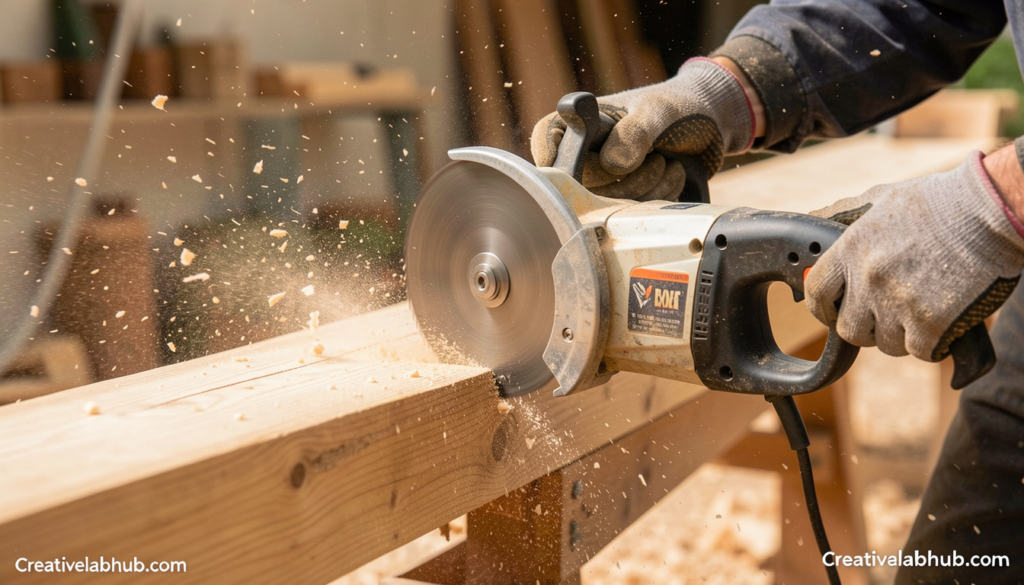
Reciprocating saw vs. circular saw: A circular saw makes straighter, cleaner cuts in sheet material and lumber. A reciprocating saw wins in demolition, awkward angles, and cutting flush against surfaces.
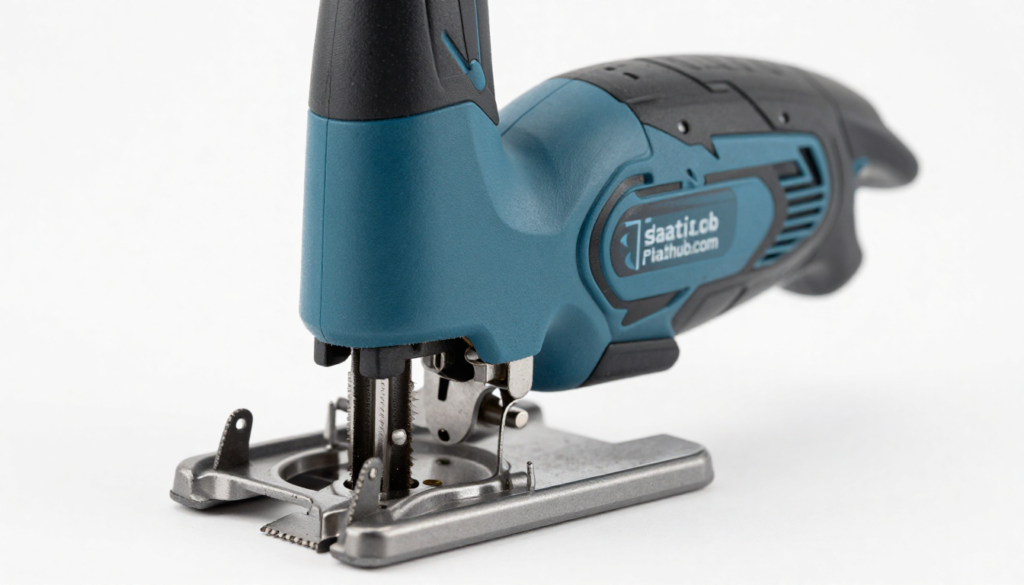
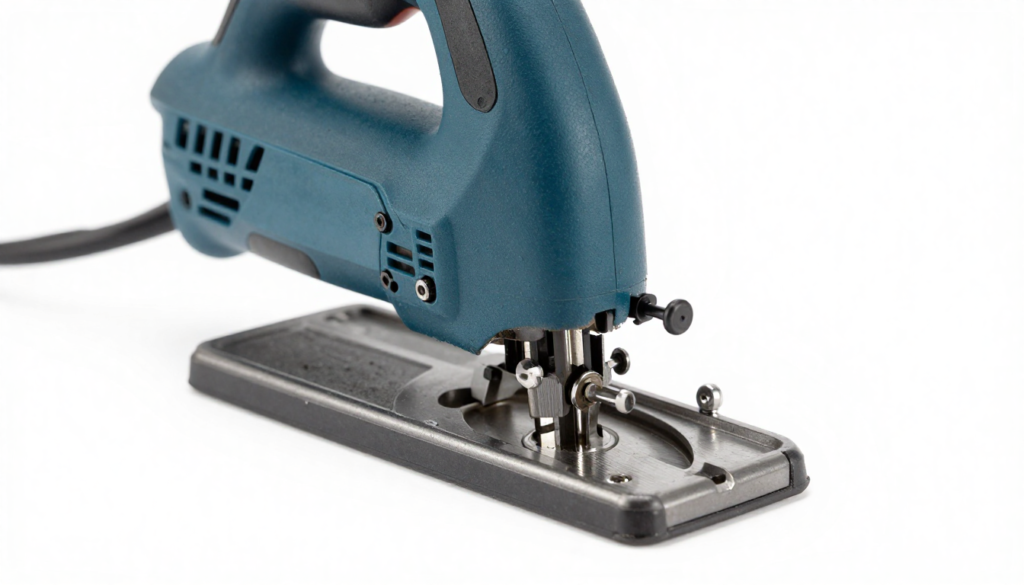
Reciprocating saw vs. jigsaw: A jigsaw excels at curves and detail cuts in thin material. A reciprocating saw is faster, more powerful, and better in tight or awkward spaces — but doesn’t offer the same precision.
Reciprocating saw vs. oscillating multi-tool: The multi-tool is more delicate and precise, good for fine detail work, sanding, and flush cuts near sensitive surfaces. The reciprocating saw is faster and more aggressive. Many pros own both.
The reciprocating saw isn’t trying to replace these tools. It fills a specific niche — powerful, fast, versatile cutting in situations where other tools can’t easily go.
Top Brands Worth Considering
Several manufacturers consistently make high-quality reciprocating saws.
Milwaukee essentially invented the category with the original Sawzall and still makes some of the best models. Their M18 FUEL cordless line is a favorite among professionals.
DeWalt makes extremely reliable corded and cordless reciprocating saws with excellent battery compatibility across their 20V MAX platform.
Makita is known for well-balanced, smooth-running tools with some of the best anti-vibration technology in the industry.
Bosch offers precision-built options, especially strong in compact and barrel-grip categories.
Ryobi and Black+Decker are solid choices for DIYers on a budget who won’t be using the tool daily.
Maintenance Tips to Keep Your Saw Running Strong
A well-maintained reciprocating saw lasts years. These habits make a real difference.
Change blades before they’re completely dull. A dull blade makes the motor work harder, generates more heat, and produces worse cuts. Blades are cheap compared to motors.
Keep the blade clamp clean. Sawdust and metal shavings can jam the clamp mechanism. A quick blast of compressed air goes a long way.
Check and tighten screws periodically. Vibration loosens fasteners over time. A quick check before a heavy job prevents bigger problems later.
For corded models, inspect the cord regularly. Damaged insulation on a power tool cord is a serious safety hazard. Replace damaged cords immediately.
For cordless models, store batteries properly. Avoid fully draining lithium-ion batteries before storage. Keep them between 40-80% charge for optimal longevity.
Conclusion
The reciprocating saw is one of the most capable, adaptable tools you can own. It might not be the most precise instrument in your toolbox, but when you need raw cutting power in a difficult spot, nothing else compares. From demolition and plumbing to tree work and automotive repair, this tool earns its place over and over again.
Whether you’re buying your first one or upgrading an old model, focus on variable speed, comfortable weight, tool-free blade changes, and the right blade for your specific materials. Those fundamentals will serve you better than chasing spec numbers.
If you’ve been on the fence about adding a reciprocating saw to your kit, I’d say stop hesitating. It’s one of those purchases you’ll look back on and wonder why you waited. What project have you been putting off that this tool might finally make possible? Drop a comment, share this with a fellow DIYer, or go ahead and put that reciprocating saw to work.
Frequently Asked Questions (FAQs)
1. What is a reciprocating saw used for? A reciprocating saw is used for demolition, cutting pipes, trimming trees, remodeling, and working in tight spaces. It cuts wood, metal, PVC, drywall, and more depending on the blade used.
2. What’s the difference between a reciprocating saw and a Sawzall? Sawzall is a brand name by Milwaukee Tool. A reciprocating saw is the tool category. They’re the same type of tool — Sawzall has just become a widely used informal term.
3. Can a reciprocating saw cut metal? Yes. Use a bi-metal blade with 14–24 TPI for cutting pipes, conduit, rebar, sheet metal, and bolts. Keep the speed moderate for cleaner cuts on metal.
4. How do I change the blade on a reciprocating saw? Most modern models have a tool-free blade clamp. You pull back or press a collar near the blade, insert or remove the blade, and release. Check your model’s manual for the exact process.
5. Is a corded or cordless reciprocating saw better? Corded models offer consistent power for heavy, prolonged use. Cordless models offer mobility and convenience. For most DIYers, cordless is more practical. For daily professional demolition work, corded is often preferred.
6. What TPI blade should I use for wood? For general wood cutting and demolition, use a 3–10 TPI blade. Lower TPI means faster, more aggressive cutting with larger chip removal.
7. Can beginners use a reciprocating saw safely? Yes, with proper safety practices. Wear eye protection, use two hands, keep the shoe against the material, and know what’s behind the surface before cutting. The learning curve is short.
8. How long do reciprocating saw blades last? It depends on the material and frequency of use. A blade cutting clean wood lasts longer than one grinding through metal or demolition debris. Replace blades when cutting slows noticeably or you see signs of wear.
9. Can a reciprocating saw make plunge cuts? Yes. You can start a cut in the middle of drywall or wood without a pre-drilled hole. Tilt the saw so the blade tip contacts the surface, turn it on at low speed, and slowly lower it into the material.
10. What’s the best reciprocating saw for a beginner? A mid-range cordless model from DeWalt, Milwaukee, or Makita around 18–20V offers a great balance of power, safety features, and ease of use. Look for variable speed and tool-free blade change as minimum features.
Also Read : Coffin French Tip Nails