


When Is the First Day of Fall? The Complete Seasonal Guide You Need In 2025
Introduction
There is something almost magical about that first morning when the air turns crisp and the leaves begin to blush with orange and gold. You probably feel it before you even check the calendar. But if someone asks you when is the first day of fall, do you know the exact answer?
The truth is, the answer depends on how you define the season. There are actually two different ways to mark the start of fall, and they give you different dates. Some people go by the astronomical calendar, which ties fall to the movement of the Earth and the sun. Others follow the meteorological calendar, which splits the year into tidy three-month chunks.
In this guide, you will learn exactly when is the first day of fall, why the date changes slightly every year, what the autumn equinox actually means, how different parts of the world experience fall differently, and what you can expect from the season. Whether you are planning a fall trip, decorating your home, or just satisfying your curiosity, this article covers everything you need to know.
When Is the First Day of Fall in 2025?
The most important question first. When is the first day of fall in 2025? If you follow the astronomical calendar, fall begins on September 22, 2025, in the Northern Hemisphere. This is the date of the autumnal equinox, when day and night are nearly equal in length.
If you follow the meteorological calendar, fall starts on September 1, 2025. Meteorologists and climatologists prefer this system because it makes tracking seasonal weather patterns much easier and more consistent year to year.
So the short answer is: it depends on which system you use. For most everyday purposes, people refer to the astronomical fall start date, which usually falls between September 21 and September 23 each year.

Quick Reference: First Day of Fall by Year
- 2024: September 22
- 2025: September 22
- 2026: September 22
- 2027: September 23
- 2028: September 22
You will notice the date shifts slightly. That is because the Earth does not take exactly 365 days to orbit the sun. It takes about 365.25 days. Leap years help correct this, but the equinox still moves around by a day or so from year to year.
The Two Ways to Define the First Day of Fall
Astronomical Fall: Tied to the Earth and Sun
Astronomical fall begins on the autumnal equinox. This happens when the sun crosses the celestial equator, heading southward. At that moment, the tilt of the Earth means that neither the Northern Hemisphere nor the Southern Hemisphere leans toward the sun. As a result, day and night are almost perfectly equal everywhere on Earth.
In the Northern Hemisphere, the autumnal equinox marks the start of fall. In the Southern Hemisphere, the same event marks the start of spring. This is because the seasons are opposite on either side of the equator.
After the equinox, days grow shorter and nights grow longer in the Northern Hemisphere. Temperatures begin to drop. Trees start pulling back chlorophyll from their leaves, revealing the brilliant reds, oranges, and yellows underneath. Nature prepares for winter.
Meteorological Fall: A Cleaner Calendar
Meteorological fall runs from September 1 through November 30. Meteorologists divide the year into four seasons of three months each. This makes it easier to compare weather data across years and decades. It also makes more practical sense for tracking climate patterns.
According to this system, the other seasons are: winter from December through February, spring from March through May, and summer from June through August. It is a clean and simple division that works well for weather forecasting and climate research.
Most weather reports and climate statistics use the meteorological system. So if you hear a meteorologist talk about fall temperatures, they are probably starting their count from September 1.
What Happens During the Autumn Equinox?
The word equinox comes from the Latin words aequus, meaning equal, and nox, meaning night. On the equinox, day and night are each roughly 12 hours long. I say roughly because refraction of sunlight through the atmosphere means the sun appears above the horizon slightly longer than true astronomical calculations would suggest.
Here is what is actually happening in space. The Earth orbits the sun on a tilted axis, about 23.5 degrees from vertical. During summer in the Northern Hemisphere, the North Pole tilts toward the sun. During winter, it tilts away. The equinox is the halfway point, when neither pole tilts toward the sun.
At the moment of the equinox, if you stood at the equator, the sun would rise almost exactly in the east and set almost exactly in the west. You would experience a nearly perfect split of light and dark.
Fun Facts About the Autumn Equinox
- Ancient cultures built monuments aligned with equinox sunrises and sunsets, including Stonehenge in England.
- The equinox does not occur at the same time of day everywhere. It is a single moment in time that falls at different local times depending on your time zone.
- Some years, the equinox falls on September 23 rather than September 22 due to the accumulation of extra hours in the solar year.
- The equinox is not the same as the solar noon. The sun may not be exactly overhead at noon on the equinox.
- In the Southern Hemisphere, September marks the start of spring, not fall.
Why Does the First Day of Fall Feel Different Depending on Where You Live?
When is the first day of fall? The calendar date might be the same, but the experience is wildly different depending on your location. In the northeastern United States, fall is dramatic and beautiful. Forests burst into fiery color. Temperatures drop noticeably. Apple orchards and pumpkin patches fill with visitors.
In the southern United States, September still feels like summer. The heat fades slowly. True fall temperatures might not arrive until October or even November. You might be wearing shorts well past the astronomical start of fall.
In the Pacific Northwest, fall brings rain. The dry summer gives way to cloudy skies and drizzle. Leaves change color, but the experience is more muted and misty than the vivid autumn you see in New England.
If you live near the equator, you may barely notice the seasonal shift at all. Tropical regions experience a wet season and a dry season rather than the four distinct seasons familiar to those in temperate zones.
Fall Across the World
- Canada: Fall arrives early and intensely. Some northern regions see frost by late September.
- United Kingdom: A mild, damp autumn with beautiful countryside colors. Temperatures cool gradually.
- Australia: September marks the start of spring, not fall. Australians are heading into warm weather when North Americans are heading into cool.
- Japan: Fall is celebrated deeply. The tradition of koyo, or autumn leaf viewing, draws millions to parks and mountain trails each year.
- Scandinavia: Fall is brief and often dramatic. Days shorten rapidly and the first snows can arrive as early as October in the north.
What to Expect from the Fall Season
Now that you know when is the first day of fall, you might be wondering what the season actually brings. Fall is a season of transition. It sits between the warmth of summer and the cold of winter, and it carries some of the best qualities of both.
Weather Changes
Temperatures drop gradually after the equinox. You will notice cooler mornings even before official fall begins. By mid-October, most of the Northern Hemisphere has fully transitioned into autumn weather. Frost becomes possible in northern regions. Rain increases in many areas as weather systems shift.
The nights grow noticeably longer after the equinox. By early November, many places have already switched back from daylight saving time, and sunset feels startlingly early. This shorter daylight can affect your mood, energy levels, and sleep patterns.
The Science of Fall Colors
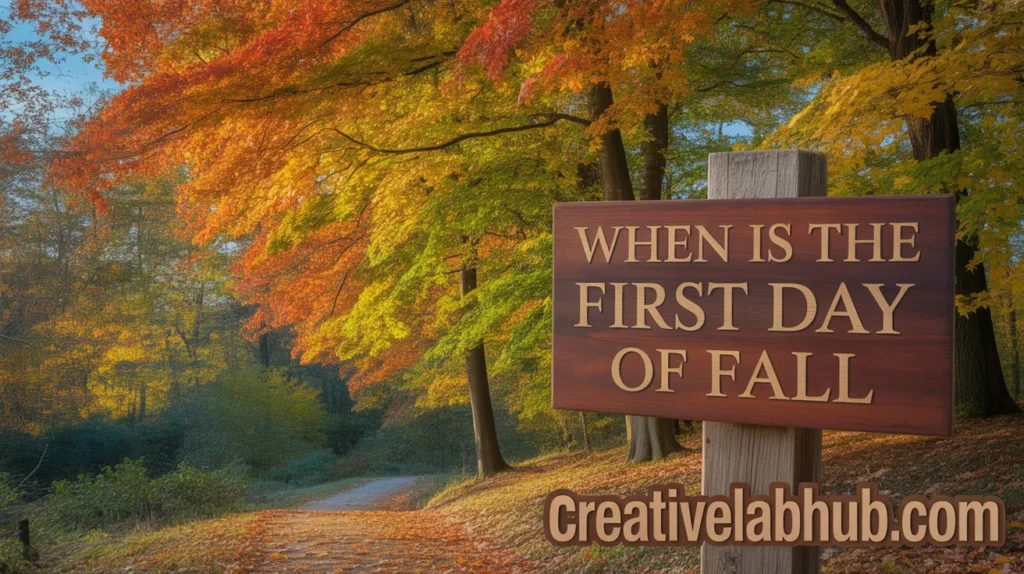
One of the most beloved aspects of autumn is the changing of the leaves. But why does it happen? Trees prepare for winter by shutting down the production of chlorophyll, the green pigment that powers photosynthesis. As chlorophyll breaks down, other pigments become visible. These include carotenoids, which produce yellow and orange tones, and anthocyanins, which create the vivid reds and purples.
The intensity of fall colors depends on the weather. Cool nights and warm days produce the most brilliant colors. Drought or an early frost can dull the display. The best fall foliage in the United States typically peaks between late September in New England and mid-October in the Midwest and Appalachians.
What Falls in Fall?
The season gets its common name from the falling of leaves. But fall brings many other changes. Birds migrate south. Squirrels and other animals begin storing food for winter. Some mammals begin preparing to hibernate. Farmers harvest crops including apples, pumpkins, squash, and corn.
Fall Traditions and Celebrations Around the World
Knowing when is the first day of fall gives you a head start on planning for the season. People around the world have celebrated fall for thousands of years. Here are some of the most meaningful traditions.
- Halloween (October 31): One of the most widely observed fall holidays, especially in North America, Ireland, and the United Kingdom. It blends ancient Celtic traditions with modern celebrations of costumes, candy, and community.
- Thanksgiving: Celebrated in October in Canada and November in the United States. It is a harvest festival centered on gratitude, family, and food.
- Dia de los Muertos (Day of the Dead): Observed in Mexico and Latin American communities from October 31 through November 2. Families honor deceased loved ones with altars, flowers, and celebrations.
- Diwali: The Hindu festival of lights falls in October or November depending on the lunar calendar. It celebrates the triumph of light over darkness.
- Oktoberfest: The famous German beer festival runs from late September into early October. It celebrates Bavarian culture with food, music, and tradition.
- Chuseok: A major Korean harvest festival held in the fall. Families gather to give thanks and honor ancestors.
Fall is also the season of cozy evenings, warm drinks, and comfort food. Pumpkin spice, apple cider, soups, stews, and baked goods all come into their own once the first day of fall arrives.
How to Make the Most of Fall This Year
You now know exactly when is the first day of fall. Here is how to actually enjoy it.
- Plan a fall foliage trip. Research peak color times for your region and book early. Popular destinations like Vermont, the Smoky Mountains, and the Blue Ridge Parkway fill up fast.
- Visit a pumpkin patch or apple orchard. This is a quintessential fall activity that works for all ages and makes for great memories.
- Update your wardrobe. Transition to layers, cozy sweaters, and boots. Fall fashion is arguably the most versatile and stylish of any season.
- Cook seasonal foods. Butternut squash, sweet potatoes, apples, and pears are all at their peak in fall. Try new recipes that celebrate these ingredients.
- Get outside more. Fall hiking is spectacular. Cooler temperatures make physical activity more comfortable, and the scenery is stunning.
- Prepare your home for winter. Use the fall months to inspect your heating system, seal drafts, and stock up on supplies before the cold arrives.
- Take mental health seriously. The reduction in daylight can affect your mood. Consider a light therapy lamp, regular exercise, and social connection to combat seasonal affective disorder.
First Day of Fall vs. First Day of Winter: What Is the Difference?
People sometimes confuse the dates of different seasons. Here is a quick overview to keep things clear.
- First day of fall (Northern Hemisphere): September 21 to 23, depending on the year.
- First day of winter (Northern Hemisphere): December 21 or 22, the winter solstice. This is the shortest day of the year.
- First day of spring (Northern Hemisphere): March 19 to 21, the vernal equinox.
- First day of summer (Northern Hemisphere): June 20 or 21, the summer solstice. This is the longest day of the year.
The solstices and equinoxes are the four corners of the astronomical year. They mark the extreme points of the sun’s journey and the transitions between seasons. When is the first day of fall? It is always the autumnal equinox, the moment when the sun crosses the equator heading south.
Conclusion: Fall Is Worth Celebrating
You now have a complete answer to the question: when is the first day of fall? Whether you mark it on September 1 with the meteorological calendar or on September 22 with the astronomical calendar, the arrival of fall is something worth noticing and celebrating.
Fall is a season of beauty, transition, and depth. It brings cooling temperatures, brilliant colors, meaningful holidays, and the satisfaction of harvests gathered in. It is a time to slow down, reflect, and appreciate the rhythm of the natural world.
So mark your calendar for the first day of fall this year. Plan something special. Take a walk in the leaves. Make a pot of soup. Call someone you love. The season does not last forever, and that is exactly what makes it so precious.
Which fall tradition do you look forward to most? Share this article with someone who loves autumn as much as you do.

Frequently Asked Questions
1. When is the first day of fall in 2025?
The astronomical first day of fall in 2025 falls on September 22. The meteorological first day of fall is September 1.
2. Why does the first day of fall change each year?
The Earth takes approximately 365.25 days to orbit the sun. This fraction of a day accumulates over years, which is why the equinox shifts between September 21, 22, and 23 depending on the year.
3. Is the first day of fall the same everywhere in the world?
No. In the Northern Hemisphere, fall starts in September. In the Southern Hemisphere, September is the start of spring. The seasons are reversed on opposite sides of the equator.
4. What is the difference between the autumnal equinox and the first day of fall?
They are the same thing in the astronomical calendar. The autumnal equinox is the scientific term for the moment that marks the start of astronomical fall.
5. When does fall end and winter begin?
Astronomically, winter begins at the winter solstice, which falls on December 21 or 22. Meteorologically, winter begins on December 1.
6. Does the first day of fall affect sunrise and sunset times?
Yes. After the autumnal equinox, days become shorter. Sunrise comes later each day and sunset comes earlier, until the winter solstice in December.
7. Why do leaves change color in fall?
Trees stop producing chlorophyll as daylight decreases and temperatures drop. Without the green pigment, other colors like yellows, oranges, and reds become visible in the leaves.
8. Can the first day of fall happen in late September?
Rarely, but yes. The equinox can fall as late as September 23 due to the drift in the solar year. This last happened in 2092 and will become more common later in this century.
9. How do animals respond to the first day of fall?
Many animals sense the shorter days and cooler temperatures. Birds begin migrating south. Mammals like bears start eating heavily to prepare for hibernation. Deer enter their mating season in early fall.
10. Is September 22 always the first day of fall?
Not always. The autumnal equinox most commonly falls on September 22 or 23 in the Northern Hemisphere, though it can occasionally fall on September 21. The exact date depends on the position of the Earth in its orbit.
Also Read Creativelabhub.com
Email: johanharwen314@gmail.com
Author Name: Johan harwen
About the Author: Johan Harwen is a seasoned writer, nature enthusiast, and seasonal lifestyle expert with over a decade of experience crafting compelling content about the natural world, travel, and everyday living. Based in the heart of New England, Johan has witnessed thousands of golden fall mornings and brings a genuine love of the season to everything he writes.