

On Cloud Shoes: The Comfort Upgrade Your Feet Deserve in 2026
Introduction
You know that feeling at the end of a long day when your feet feel like they ran a marathon, even though you barely left your desk. That ache in your arches and the stiffness in your heels is your body asking for better support. This is exactly where cloud shoes step in, and honestly, once you try a pair, it is hard to go back to anything else.
on Cloud shoes have become one of the most talked about trends in footwear, and not without reason. They promise a cushioned, almost bouncy feeling with every step, like walking on a soft mattress instead of a hard sidewalk. People wear them for running, walking, standing all day at work, and even casual outings because they look good too.
But are cloud shoes actually worth the hype, or is this just clever marketing? In this article, you will learn what cloud shoes really are, how the cushioning technology works, who benefits most from wearing them, and how to choose the right pair for your lifestyle. We will also cover the downsides nobody talks about enough, so you get the full picture before you buy.
What Are on Cloud Shoes Exactly?
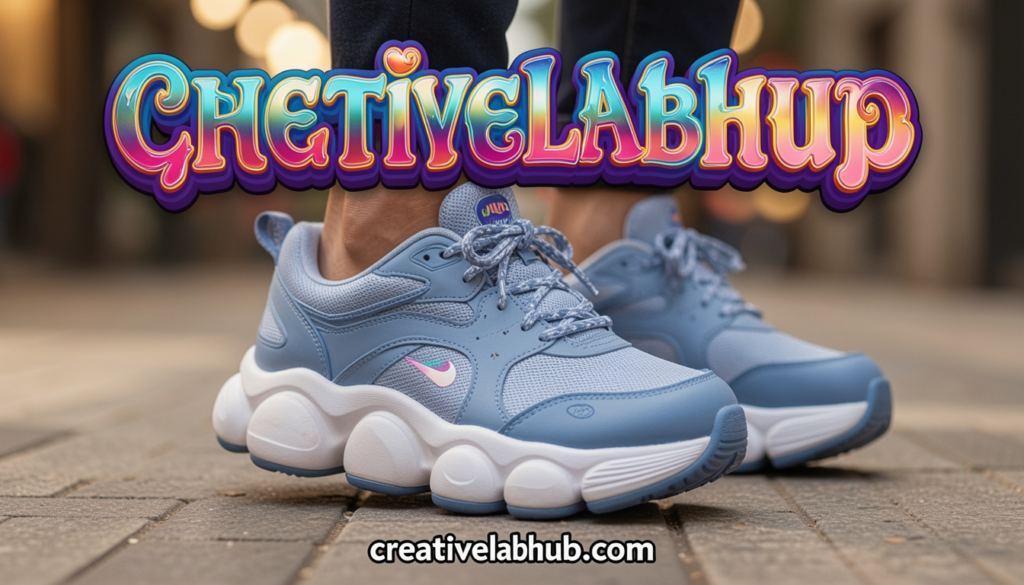
Cloud shoes are sneakers built with a unique cushioning system designed to absorb impact and return energy with each stride. The name comes from the pod like structures under the sole that look like little clouds. These pods compress when your foot lands and then work together to create a stable base when you push off again.
This design was pioneered by the Swiss brand On, founded in 2010 by former Ironman triathlete Olivier Bernhard. The story behind it is actually pretty interesting. Bernhard started experimenting with a garden hose to explore a new kind of cushioning, and he even pitched the idea to Nike before they turned it down. That rejection turned into one of the fastest growing shoe brands in the world.
Today, on cloud shoes are not just for elite runners. You will see teachers, nurses, travelers, and everyday walkers wearing them because the comfort translates well beyond the racetrack. The brand has grown so fast that it now competes with some of the biggest names in athletic footwear, and it shows no signs of slowing down.
How the Cushioning Technology Actually Works
The science behind cloud shoes is simpler than it sounds. Each pod under the sole acts like its own shock absorber. When your heel or forefoot strikes the ground, the pods flatten slightly to soften the impact on your joints.
Then comes the clever part. As you push off into your next step, the pods lock together to form one solid, stable platform. This means you get soft cushioning on landing and a firm, responsive push on takeoff, all in the same shoe.
Here is a quick breakdown of what happens during each step:
- Your foot lands, and the cushioned pods compress to absorb shock
- The pods lock together for a brief moment to create stability
- Your foot rolls forward naturally through the stride
- The pods release and reset as you lift off for the next step
This cycle repeats with every single step you take, which is why long days on your feet feel noticeably easier in on cloud shoes compared to flat, dense soled sneakers.
Who Actually Benefits From on Cloud Shoes?
Not everyone needs the same type of shoe, and that is true here too. Still, certain groups tend to feel the difference more than others.
People Who Stand or Walk All Day
If your job keeps you on your feet for eight or more hours, cushioning matters a lot. Nurses, retail workers, teachers, and warehouse staff often deal with sore arches and lower back pain by the end of their shift. The extra cushioning in cloud shoes helps absorb the repetitive impact that builds up over hours of standing.
Runners Looking for Recovery Days
Many runners use on cloud shoes specifically for easy or recovery runs. The softer landing reduces strain on the knees and ankles, which is helpful when you are trying to log mileage without overloading your joints. Some models, like the max cushioned versions, are built specifically for this kind of low impact training.
Travelers and Frequent Walkers
If you have ever walked through three airport terminals while dragging a suitcase, you already know how much your shoes matter. Cloud shoes are popular travel companions because they pack light, slip on easily, and keep your feet comfortable through long days of sightseeing or layovers.
People With Joint Sensitivity
Folks dealing with mild knee or ankle discomfort sometimes find relief with the added cushioning. I have a friend who switched to on cloud shoes after years of joint pain from standing at a hospital job, and she told me the difference within the first week was noticeable. That said, anyone with a diagnosed condition should still check with a doctor or podiatrist before relying on any shoe as a fix.
Popular Cloud Shoe Styles and What Makes Them Different
Not all cloud shoes are built the same. Brands now offer several variations depending on what you need them for.
Everyday Lifestyle Models
These are designed for walking, errands, and all day wear. They tend to have a slightly lower stack height, which means less lift off the ground, making them feel closer to a regular sneaker while still offering soft cushioning underfoot.
Max Cushioned Models
Max cushioned versions focus on reducing impact and adding extra comfort, with cushioning levels reaching up to 38 millimeters at the heel in some models. These are thicker, plusher, and ideal for people who want the maximum amount of shock absorption, whether for long walks or easy runs.
Performance Running Models
Performance focused styles feature lighter, breathable mesh uppers along with stability features like wider platforms and reinforced support structures for training and speed work. These are built more for active workouts than lounging around the house.
Wide Fit Options
Many brands now offer wide versions of their popular models. If you have wider feet, this matters more than you might think. A shoe that feels great on a narrow foot can feel tight and uncomfortable on a wider one, so checking for wide fit availability before buying is smart.
Sustainable and Eco Friendly Models
A growing number of releases now use recycled polyester uppers and bio based foams in the midsole. This shift matters if you care about the environmental footprint of what you wear. The good news is that these eco conscious updates have not come at the cost of comfort or durability, so you are not trading sustainability for quality.
What Sets This Cushioning Apart From Other Foam Soles
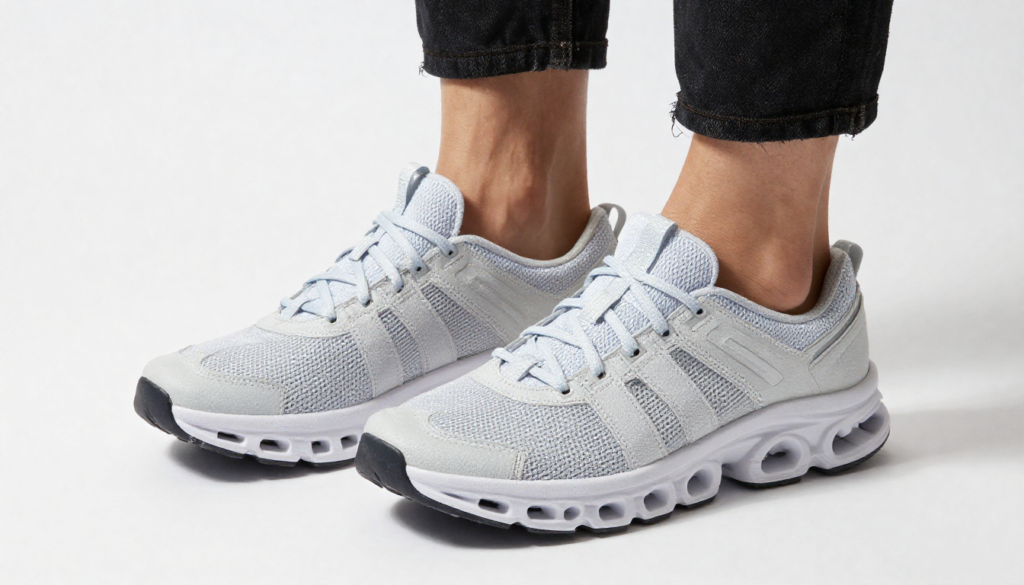
You might wonder how this pod based system actually compares to the dense foam soles found in most regular sneakers. Traditional foam compresses evenly across the entire sole, which works fine but tends to lose its bounce over time as the material flattens out permanently.
The pod structure behaves differently because each individual pod can compress and recover on its own. This means the cushioning stays responsive for longer, since you are not relying on one giant block of foam to absorb every single impact. Think of it like comparing a single firm mattress to one built from dozens of small independent springs working together.
There is also a noticeable difference in how the ride feels underfoot. Dense foam tends to feel mushy and slow to respond, while the pod design gives a livelier, more energetic sensation with each step. That bounce back quality is part of why so many people describe the experience as feeling like they are walking on clouds rather than just standing on cushioned rubber.
Real Talk: The Downsides on Cloud Shoes
No shoe is perfect, and it would not be fair to only talk about the good stuff. Here are a few things to keep in mind before you buy.
They sit higher off the ground than typical sneakers. This extra stack height can affect your balance, especially if you already have a tendency to roll your ankles. If stability is a concern for you, look for lower profile models rather than the max cushioned ones.
The fit can run narrow in some models. Several reviewers have pointed out that certain styles fit tight through the midfoot, so trying them on or checking sizing charts carefully helps avoid disappointment.
They are not the cheapest option. on Cloud shoes generally cost more than basic sneakers, often ranging between 130 and 200 dollars depending on the model. That said, many people feel the comfort justifies the price, especially if you wear them daily.
Durability can vary by model. Lighter performance versions may wear down faster than sturdier lifestyle models, particularly if you use them for high mileage running.
Not every style suits intense lateral movement. Sports that involve quick side to side cuts, like basketball or tennis, are not always the best match for this cushioning system. The softness that feels great for walking can feel a bit unstable during sudden direction changes, so check for sport specific models if that applies to you.
How to Choose the Right on Cloud Shoes for You
Picking the right pair really comes down to how you plan to use them. Ask yourself a few questions first.
- What will you mainly use them for? Walking, running, standing at work, or casual outings all call for slightly different features.
- Do you need extra width? If your feet are wider than average, look specifically for wide fit labeled models.
- How much cushioning do you actually want? More cushioning feels softer but sits higher off the ground, while less cushioning feels closer to natural ground contact.
- What is your budget? Decide on a price range before you start browsing so you are not tempted by every shiny new release.
A good rule of thumb is to try shoes on later in the day when your feet are slightly swollen from normal daily activity. This gives you a more accurate sense of fit than trying them on first thing in the morning.
It also helps to think about where you will actually wear them most. If you mainly need something for the office or running errands, an everyday lifestyle model probably makes more sense than a performance trainer built for speed work. On the other hand, if you are training for a race or logging serious mileage, you might want a dedicated running model with the right support for your gait.
One more tip worth mentioning is checking the return policy before you buy, especially if you are ordering online. Fit can vary slightly between models, even within the same brand, so having the option to exchange or return a pair gives you some breathing room if the size feels off once you walk around the house for a bit.
Common Questions About on Cloud Shoes
People always ask similar questions before buying their first pair, so let us tackle a few of the big ones.
Are cloud shoes good for your feet long term? For most people, yes. The cushioning reduces repetitive strain from walking and standing. However, if you have specific foot conditions like plantar fasciitis or flat feet, it is worth checking with a podiatrist about the best support level for your needs.
Do on cloud shoes run true to size? Generally yes, but some models run slightly narrow or have a snug heel. Reading recent reviews for the specific model you want helps you avoid sizing surprises.
Can you wear cloud shoes for running and walking both? Many models work well for both, especially lifestyle and max cushioned versions. Dedicated performance running models are better saved for actual training rather than all day wear, since they prioritize speed over long term comfort.
Wrapping It Up
on Cloud shoes have earned their popularity by solving a real problem: tired, aching feet from too many hours standing or walking. The pod based cushioning system softens impact while still giving you stability when you push off, which is a balance a lot of regular sneakers struggle to find.
They are not flawless. The higher stack height takes some getting used to, the fit can run narrow in certain models, and the price tag is higher than basic sneakers. Still, for people who spend their days on their feet, the comfort trade off is often worth it.
If your current shoes are leaving your feet sore by evening, it might be time to give on cloud shoes a real try. Have you worn a pair before, or are you about to make your first purchase? Either way, take your time trying different models before settling on the one that fits your feet and your lifestyle best.
Frequently Asked Questions
What exactly makes cloud shoes different from regular sneakers? Cloud shoes use pod shaped cushioning under the sole that compresses on landing and locks together on push off, giving a softer ride than traditional flat midsoles.
Are on cloud shoes worth the higher price? For people who stand or walk often, many find the comfort worth the cost. If you only wear shoes occasionally, a basic sneaker might serve you just as well.
Can cloud shoes help with foot or knee pain? They may help reduce strain from repetitive impact, but they are not a medical treatment. Speak with a doctor if you have ongoing pain.
Do cloud shoes work for hiking or trail use? Some specific models are built for trails with added grip and stability, but standard cloud shoes are better suited for pavement and light terrain.
How long do cloud shoes typically last? With regular wear, most pairs last between 300 and 500 miles before cushioning starts to break down, similar to other quality athletic shoes.
Are cloud shoes good for people with wide feet? Many brands now offer wide fit versions, so check the sizing options before buying if width is a concern for you.
Do cloud shoes need a break in period? Most people find them comfortable right out of the box, though the upper material may soften slightly after a few wears.
Can you wear cloud shoes without socks? Yes, many models have moisture wicking interiors, though wearing socks usually extends the lifespan of the shoe by reducing sweat buildup.
How do you clean cloud shoes properly? Most uppers can be wiped down with a damp cloth and mild soap. Avoid tossing them in a washing machine, since the pod cushioning can warp under heat and aggressive spinning. Let them air dry away from direct sunlight to protect the foam from breaking down too quickly.
also read: creativelabhub.com
email: johanharwen@314gmail.com
Author Name: Sarah Mitchell
About the Author : Sarah Mitchell is a footwear and lifestyle writer who has spent the past six years covering comfort focused fashion and wellness trends. She tests sneakers across different terrains and routines before writing about them, always with a focus on practical, real world advice readers can actually use.