

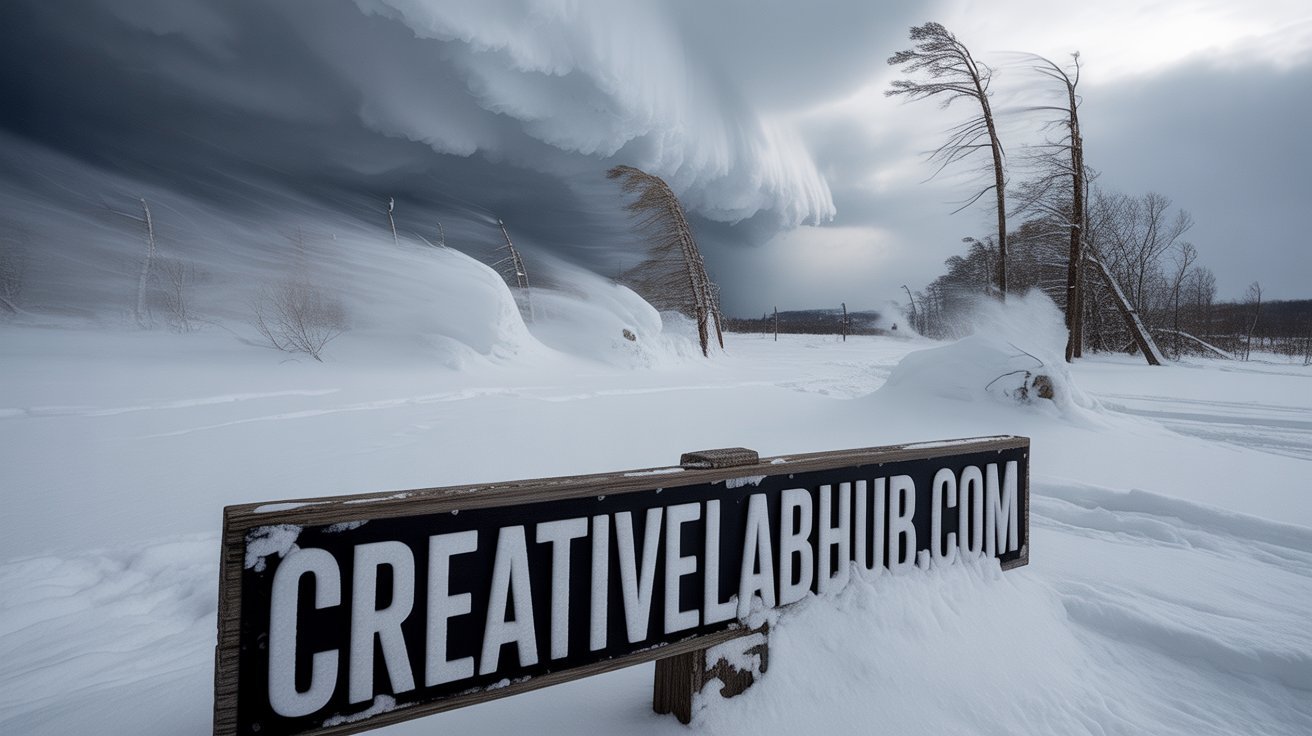
Understanding Winter Storm Elliott: Impact, Safety Measures, and Recovery report till 2025
Introduction to Winter Storm Elliott
Winter Storm Elliott emerged as one of the most significant winter weather events in recent history, captivating public attention for its profound impact on communities across the United States. Forming in late December, this powerful storm was the result of several meteorological conditions converging, including a robust polar vortex and an influx of warm, moist air, which contributed to heightened instability in the atmosphere. These dynamics set the stage for the storm’s rapid development and expansion.
The origins of Winter Storm Elliott can be traced back to an unusual oscillation in the jet stream, which became pronounced due to several climatic factors. This essential atmospheric feature typically guides weather patterns but became disrupted, allowing for an exceptional cold snap to interact with moist air moving northward from the Gulf of Mexico. As these elements collided, the result was a complex weather system characterized by heavy snowfall, freezing rain, and strong winds, affecting a broad swath of the country.
Winter Storm Elliott garnered widespread attention due to its unprecedented impacts, including travel disruptions, power outages, and hazardous conditions that posed a threat to public safety. As many states braced for the storm’s arrival, warnings were issued highlighting the potential danger associated with icy roads and extreme cold temperatures. The media coverage surrounding the event underscored the urgency of preparation and response, making it clear that community readiness was paramount.
This storm serves as a poignant reminder of the importance of understanding winter weather phenomena and their potential consequences. As we delve deeper into the specifics of Winter Storm Elliott, we will explore the safety measures that can be adopted and the strategies for recovery that communities might employ in its aftermath.
Meteorological Analysis of Elliott
Winter Storm Elliott has drawn significant attention due to its unique meteorological characteristics and its impact on the regions it traversed. This storm developed as a result of a combination of atmospheric factors that are noteworthy in the field of meteorology. Analyzing the conditions prevalent during the storm reveals several significant patterns in temperature and precipitation.
The storm originated from a powerful low-pressure system that developed in the Gulf of Mexico. This system interacted with a cold air mass brought down from the Arctic, resulting in dramatic temperature drops across many northern and central states. During the storm’s progression, temperature variations were recorded, with some areas experiencing a drop of over 30 degrees Fahrenheit within 24 hours. Such rapid fluctuations not only influenced the precipitation types – transitioning from rain to snow, sleet, and ice – but also increased the risk of hazardous road conditions and power outages.
Precipitation patterns during Winter Storm Elliott were characterized by significant snowfall in the northern regions, while areas to the south faced severe ice accumulations. Reports indicated that certain states received upwards of 12 inches of snow, a benchmark that has only been surpassed by historical storms in recent memory. This heavy snowfall was not just a one-time occurrence but persisted in waves, causing nearly continuous severe conditions over several days.
When comparing Elliott to past winter storms such as the infamous Blizzard of 1978 or the Winter Storm Jonas in 2016, meteorologists noted that while Elliott showcased intense precipitation rates, it also featured lesser but compelling wind gusts. This storm’s severity can be considered in the context of its rapid onset and the subsequent challenges posed by shifting snow levels and ice formation. Overall, Winter Storm Elliott exemplifies how complex and multifaceted winter weather systems can be, requiring thorough analysis for preparedness and response.

Geographical Impact of Winter Storm Elliott
Winter Storm Elliott significantly affected various regions across the United States, leaving a profound mark on both urban and rural areas. Spanning from the Midwest to the Northeast, the storm brought varying levels of disruption, characterized primarily by heavy snowfall and dangerous ice conditions. In states such as Illinois, Indiana, and Iowa, residents experienced an overwhelming accumulation of snow, with totals in some locations exceeding two feet. Cities like Chicago and Indianapolis were particularly hard-hit, facing substantial transportation challenges and power outages as snow piled high on roadways and power lines.
Further northeast, states including Ohio and Pennsylvania grappled with a mixture of snow and ice. While cities like Cleveland and Pittsburgh witnessed significant snowfall, areas closer to the Ohio River faced treacherous icy conditions that led to hazardous driving environments and downed trees. The storm later extended its influence, impacting regions like New York and New England, where both snowfall and rainfall created severe flooding issues alongside snow accumulation.
Specific locations such as Buffalo, New York, were marked by swift temperature changes, which resulted in rapid snow accumulation and subsequent challenges in managing these weather-related crises. Snowfall in the area surpassed expectations, showcasing the storm’s unpredictable nature. Meanwhile, cities along the Atlantic coast, including Boston, faced a rain-snow mix that transitioned into intense snow, culminating in travel disruptions and delays. The geographical spread of Winter Storm Elliott highlights the diverse weather patterns that can emerge during winter months, emphasizing the need for preparedness in affected areas.
Emergency Preparedness and Response
As Winter Storm Elliott approaches, it is crucial for residents in affected areas to take proactive steps to ensure their safety and well-being. Emergency preparedness is essential in mitigating risks associated with severe winter weather. Individuals should begin by assembling an emergency kit containing essential supplies such as food, water, medications, and heating sources. This kit should ideally sustain each member of the household for at least 72 hours, considering the potential for disrupted services.
Moreover, it is important for residents to stay informed about local conditions and official recommendations. Government responses to winter storms typically include the issuance of evacuation orders, particularly in areas prone to flooding or heavy snowfall. Being aware of these orders can significantly enhance safety during hazardous conditions. Individuals should be prepared to follow these directives without hesitance when necessary.
Local agencies play a pivotal role in providing support during and after winter storms. They often establish warming shelters for those unable to heat their homes or needing a safe refuge. Information regarding the locations of these shelters is usually disseminated through various public service announcements, ensuring that everyone is aware of available assistance. Residents are encouraged to check local news outlets, government websites, and social media for real-time updates and guidance.
Furthermore, community engagement is beneficial during the storm. Neighbors should look out for one another, particularly vulnerable populations such as the elderly or those living alone. Help can come in various forms, from sharing resources to providing transportation to warming shelters. By fostering a sense of community support, residents can collectively improve their response to emergencies like Winter Storm Elliott.

Safety Tips for During the Storm
During a winter storm like Winter Storm Elliott, it is critical to prioritize safety for yourself and your family. Adhering to practical safety measures can mitigate risks associated with severe weather conditions.
One of the foremost considerations during such storms is transportation safety. If possible, it is advisable to stay off the roads. In the event travel is necessary, ensure your vehicle is equipped with winter safety supplies, including blankets, food, water, and a flashlight. Keep the gas tank at least half full to prevent fuel line freeze-up and charge your mobile devices beforehand to maintain communication capabilities.
Power outages are another common consequence of winter storms. In preparation, create an emergency kit containing essentials such as non-perishable food, water, first aid supplies, and flashlights with extra batteries. Additionally, an alternate heat source, such as a fireplace or a wood stove, should be made available. However, ensure proper ventilation to avoid carbon monoxide poisoning, which can occur with improper usage of heating tools.
Staying warm at home is paramount when temperatures drop significantly. Dress in layers and use extra blankets to retain body heat. Closing off unused rooms can help conserve warmth in occupied spaces. It is also prudent to have a communication plan with family members or neighbors to stay informed about the storm’s progress and any assistance that may be required.
In summary, during Winter Storm Elliott, prioritizing safety involves preparation, effective emergency kits, and thoughtful measures regarding transportation and heat. By implementing these strategies, individuals can ensure their safety throughout the storm.
Aftermath and Recovery Efforts
The aftermath of Winter Storm Elliott brought significant challenges for affected communities, as they began to assess the damage and initiate recovery efforts. Areas that experienced intense snowfalls, ice accumulation, and damaging winds faced destruction that disrupted daily life and essential services. Local municipalities and organizations mobilized quickly to address the aftermath, focusing on restoring normalcy for residents.
One of the foremost challenges during the recovery period was the restoration of power. Many households were left without electricity for extended periods due to downed power lines and damaged infrastructure. Utility companies prioritized restoring power to critical facilities like hospitals, shelters, and emergency response centers. Concurrently, they worked diligently to bring back electricity to homes, yet the harsh winter conditions hindered repair efforts, prolonging the time required for full restoration.
Community response to the storm showcased resilience and solidarity. Neighbors helped one another, clearing driveways and sharing resources, demonstrating a commitment to collective recovery. Local service organizations stepped up with efforts to provide food, water, and shelter for those in need, ensuring that vulnerable populations received the support they required. Various community centers and places of worship opened their doors, offering safe spaces for individuals affected by the storm.
Additionally, government assistance programs were activated to help facilitate recovery. Local officials coordinated with state and federal agencies to allocate resources necessary for rebuilding essential services and infrastructure. The long-term recovery process will involve extensive planning and collaboration to strengthen the community’s resilience against future weather events.
Ultimately, the aftermath of Winter Storm Elliott serves as a reminder of the importance of preparedness and community solidarity in facing natural disasters. Through combined efforts, the affected communities will rebuild and recover, paving the way for stronger, more resilient environments in the future.
Case Studies: Personal Stories from Affected Residents
Winter Storm Elliott left a profound impact on the lives of many residents, resulting in stories that reflect both adversity and resilience. One such story comes from a family in Buffalo, New York, who faced a chilling ordeal when they lost power for several days. With temperatures plummeting, the family huddled together with blankets and used a portable gas stove to keep warm. They shared how their sense of community became their lifeline, as neighbors banded together to check on one another and share resources. This experience not only highlighted the vulnerability of nature but also the strength of human connections in times of crisis.
In a nearby community, an elderly couple found themselves stranded due to heavy snowfall, which obstructed access to their home. Their daughter, who lives several hours away, was unable to reach them due to treacherous road conditions. However, a local resident noticed their plight and ventured out in difficult conditions to bring them food and medication. This act of kindness showcased the solidarity among residents during winter emergencies, illustrating how an individual’s willingness to help can create a significant impact.
Another powerful story emerged from residents in the Midwest who were forced to evacuate their homes. Many families shared experiences of packing their belongings hastily while trying to keep calm. One mother recounted how her children, despite the fear surrounding them, were reassured by the promise of a family reunion once it was safe to return. The emotional weight of leaving their home behind was tempered by the kindness of local shelters that offered food and comfort during their temporary displacement.
These personal accounts from those affected by Winter Storm Elliott remind us of the duality of such natural disasters: the challenges presented and the compassion exhibited by individuals amidst adversity. Together, these narratives weave a tapestry of resilience that embodies the human spirit in the face of one of nature’s harshest trials.
Long-term Effects of Winter Storm Elliott
Winter Storm Elliott has exhibited the potential to cause significant long-term impacts on various sectors, including infrastructure, the environment, and local economies. One of the primary concerns relates to the infrastructure, particularly in regions that were already susceptible to harsh weather conditions. Prolonged exposure to heavy snowfall and ice can lead to accelerated wear and tear on roads, bridges, and utilities. Municipalities may find themselves facing increased maintenance costs and the need to invest in upgrading their systems to withstand future storms of similar magnitude.
Moreover, the environmental consequences of such storms cannot be overlooked. The melting of heavy snow and ice can affect local waterways, leading to possible flooding and soil erosion. Additionally, increased frequency of winter storms may disrupt local ecosystems. Alterations in temperature and precipitation patterns could influence the behavior of wildlife and plant communities, potentially leading to long-term shifts in biodiversity.
From an economic perspective, local businesses and communities may face enduring repercussions as well. The immediate aftermath of Winter Storm Elliott can suppress economic activities, particularly in sectors such as retail, tourism, and transportation. Businesses may encounter inventory losses and decreased revenue due to adverse conditions. In the long term, communities may need to adapt to these new realities by diversifying their economic bases and investing in resilience measures, such as improved frost-resistant infrastructure and efficient emergency response protocols.
To mitigate these impacts, communities may also promote awareness and preparedness for future winter storms. Incorporating changes into urban planning, such as enhanced drainage systems and better insulation in buildings, can help adapt to increasingly severe weather patterns. Community initiatives focused on educating residents about winter storm readiness could additionally empower individuals to better safeguard themselves and their properties.
Conclusion and Future Preparedness
Winter Storm Elliott serves as a stark reminder of the increasing frequency and intensity of extreme weather events, a phenomenon that experts link to climate change. The storm not only caused significant disruptions in daily life but also highlighted vulnerabilities in infrastructure and emergency response systems across affected regions. The aftermath of such severe weather incidents often leaves communities grappling with the long-term consequences that may not be immediately visible, such as psychological impacts and economic strain on local businesses.
As we reflect on the impact of Winter Storm Elliott, it becomes apparent that preparation for similar occurrences is crucial. Communities must work together to enhance resilience against extreme weather by investing in infrastructure upgrades and establishing more robust emergency plans. Individuals are encouraged to create personal emergency preparedness kits that include necessary supplies, important documents, and a family communication strategy in case of sudden events.
Moreover, understanding the implications of climate change is essential in shaping both individual and collective responses to future storms. Awareness campaigns can foster a culture of preparedness, enabling citizens to stay informed about climate impacts within their regions. Engaging in community efforts to advocate for sustainable practices can also contribute to mitigating the effects of climate change. From reducing carbon footprints to participating in local resilience initiatives, every action counts in building a more prepared society.
In conclusion, as we face the uncertainties of climate change, it is imperative to learn from storms like Elliott, emphasizing the importance of preparedness, community solidarity, and environmental stewardship. Only through a collective commitment to understanding and adapting can we hope to navigate the challenges posed by future weather events more effectively.
Also Read More: creativelabhub.com